Kirjojen hintavertailu. Mukana 12 290 406 kirjaa ja 12 kauppaa.

Kirjailija

Reid Barbour

Kirjat ja teokset yhdessä paikassa: 5 kirjaa, julkaisuja vuosilta 2001-2016, suosituimpien joukossa Sir Thomas Browne. Vertaile teosten hintoja ja tarkista saatavuus suomalaisista kirjakaupoista.

5 kirjaa

Kirjojen julkaisuhaarukka 2001-2016.

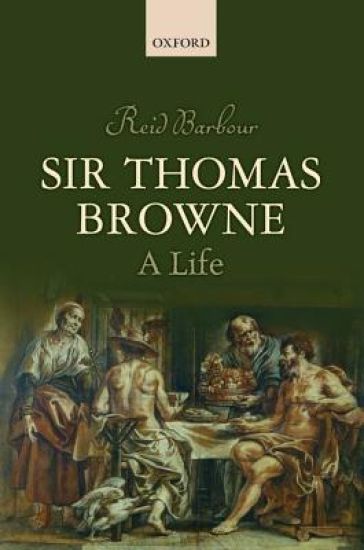
Sir Thomas Browne

Sir Thomas Browne

Reid Barbour

Oxford University Press
2016
nidottu
Sir Thomas Browne: A Life is the first full-scale biography of the extraordinary prose artist, physician, and polymath. With the help of recent archival discoveries, the biography recasts each phase of Browne's life (1605-82) and situates his incomparable writings within the diverse intellectual and social contexts in which he lived, including London, Winchester, Oxford, Montpellier, Padua, Leiden, Halifax, and Norwich. The book makes the case that, as his contemporaries fervently believed, Browne influenced the intellectual and religious direction of seventeenth-century England in singularly rich and dynamic ways. Special attention is paid in the biography to Browne's medical vocation but also to his place within the scientific revolution. New information is offered regarding his childhood in London, his European travels and medical studies, the setting in which he first wrote Religio Medici, his impact on readers during the English civil wars, and the contemporary view of his medical practice. Overall, the image of Browne that emerges is far bolder and more cosmopolitan, less complacent and provincial, than biographers have assumed ever since Samuel Johnson doubted Browne's claim that his life up to age thirty resembled a romantic fiction filled with miracles and fables. The biography has extensive material for anyone interested in the histories of religion, education, science and medicine, seventeenth-century England, and early modern philosophy and literature.
Sir Thomas Browne

Sir Thomas Browne

Reid Barbour

Oxford University Press
2013
sidottu
Sir Thomas Browne: A Life is the first full-scale biography of the extraordinary prose artist, physician, and polymath. With the help of recent archival discoveries, the biography recasts each phase of Browne's life (1605-82) and situates his incomparable writings within the diverse intellectual and social contexts in which he lived, including London, Winchester, Oxford, Montpellier, Padua, Leiden, Halifax, and Norwich. The book makes the case that, as his contemporaries fervently believed, Browne influenced the intellectual and religious direction of seventeenth-century England in singularly rich and dynamic ways. Special attention is paid in the biography to Browne's medical vocation but also to his place within the scientific revolution. New information is offered regarding his childhood in London, his European travels and medical studies, the setting in which he first wrote Religio Medici, his impact on readers during the English civil wars, and the contemporary view of his medical practice. Overall, the image of Browne that emerges is far bolder and more cosmopolitan, less complacent and provincial, than biographers have assumed ever since Samuel Johnson doubted Browne's claim that his life up to age thirty resembled a romantic fiction filled with miracles and fables. The biography has extensive material for anyone interested in the histories of religion, education, science and medicine, seventeenth-century England, and early modern philosophy and literature.
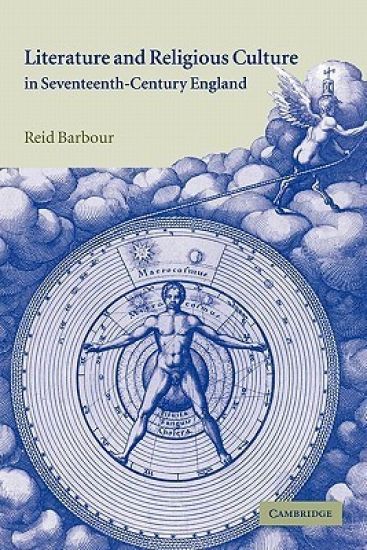
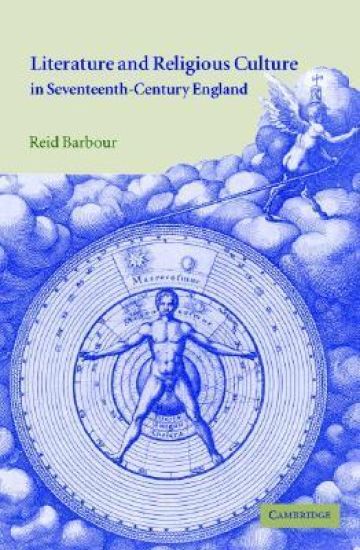
Literature and Religious Culture in Seventeenth-Century England
Reid Barbour's 2002 study takes a fresh look at English Protestant culture in the reign of Charles I (1625–1649). In the decades leading into the civil war and the execution of their monarch, English writers explored the experience of a Protestant life of holiness, looking at it in terms of heroic endeavours, worship, the social order, and the cosmos. Barbour examines sermons and theological treatises to argue that Caroline religious culture comprises a rich and extensive stocktaking of the conditions in which Protestantism was celebrated, undercut, and experienced. Barbour argues that this stocktaking was also carried out in unusual and sometimes quite secular contexts; in the masques, plays and poetry of the era as well as in scientific works and diaries. This broad-ranging study offers an extensive appraisal of crucial seventeenth-century themes, and will be of interest to historians as well as literary scholars of the period.
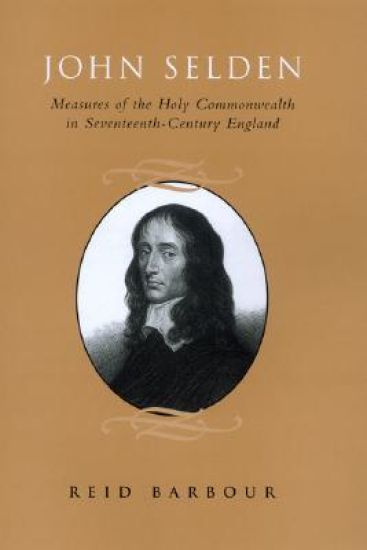
John Selden

John Selden

Reid Barbour

University of Toronto Press
2003
sidottu
John Selden: Measures of the Holy Commonwealth in Seventeenth-Century England is the first text in over a century to examine the whole of Selden's works and thought. Reid Barbour brings a new perspective to Selden studies by stressing Selden's strong commitment to a 'religious society,' by taking a closer and more sustained look at his poetic interests, and by systematically examining his Latin publications (particularly those using Jewish sources). Offering critical close readings of Selden's oeuvre, Barbour posits that the overriding aim of Selden's career was to bolster religious society in the face of its imminent demise. He argues that Selden's scholarly career was committed to resolving an essentially religious question about how best to establish the holy commonwealth in both lawfulness and spiritual abundance. Perhaps the greatest strength of Barbour's analysis emerges from his overall interpretation of Selden's corpus within the context of what the author calls a "religious society"; this approach emphasizes the religious commitments of Selden and subverts earlier readings of him as a cynical, skeptical, secular thinker who attacked, rather than upheld, a Judeo-Christian model of society. Engaging in style and substantive in analysis, Barbour's John Selden will add considerably to the limited body of work on this important seventeenth-century savant.
Literature and Religious Culture in Seventeenth-Century England
Reid Barbour's 2002 study takes a fresh look at English Protestant culture in the reign of Charles I (1625–1649). In the decades leading into the civil war and the execution of their monarch, English writers explored the experience of a Protestant life of holiness, looking at it in terms of heroic endeavours, worship, the social order, and the cosmos. Barbour examines sermons and theological treatises to argue that Caroline religious culture comprises a rich and extensive stocktaking of the conditions in which Protestantism was celebrated, undercut, and experienced. Barbour argues that this stocktaking was also carried out in unusual and sometimes quite secular contexts; in the masques, plays and poetry of the era as well as in scientific works and diaries. This broad-ranging study offers an extensive appraisal of crucial seventeenth-century themes, and will be of interest to historians as well as literary scholars of the period.