Kirjojen hintavertailu. Mukana 12 595 353 kirjaa ja 12 kauppaa.

Kirjailija

Reinhard Meyer-Kalkus

Kirjat ja teokset yhdessä paikassa: 2 kirjaa, julkaisuja vuodelta 2009, suosituimpien joukossa Cultural Mobility. Vertaile teosten hintoja ja tarkista saatavuus suomalaisista kirjakaupoista.

2 kirjaa

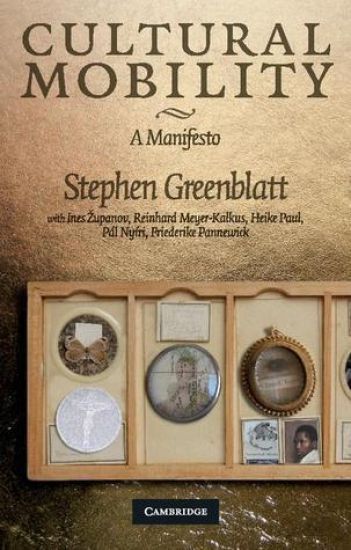
Cultural Mobility

Cultural Mobility

Stephen Greenblatt; Ines Županov; Reinhard Meyer-Kalkus; Heike Paul; Pál Nyíri; Friederike Pannewick

Cambridge University Press
2009
pokkari
Cultural Mobility is a blueprint and a model for understanding the patterns of meaning that human societies create. Drawn from a wide range of disciplines, the essays collected here under the distinguished editorial guidance of Stephen Greenblatt share the conviction that cultures, even traditional cultures, are rarely stable or fixed. Radical mobility is not a phenomenon of the twenty-first century alone, but is a key constituent element of human life in virtually all periods. Yet academic accounts of culture tend to operate on exactly the opposite assumption and to celebrate what they imagine to be rooted or whole or undamaged. To grasp the shaping power of colonization, exile, emigration, wandering, contamination, and unexpected, random events, along with the fierce compulsions of greed, longing, and restlessness, cultural analysis needs to operate with a new set of principles. An international group of authors spells out these principles and puts them into practice.
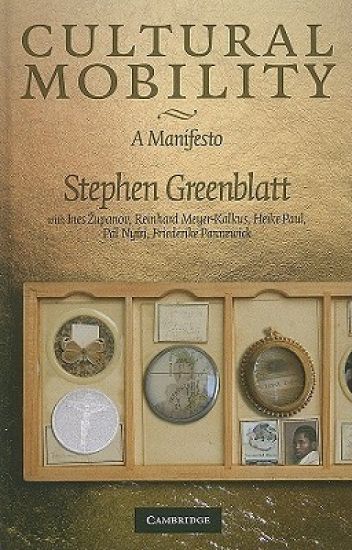
Cultural Mobility

Cultural Mobility

Stephen Greenblatt; Ines Županov; Reinhard Meyer-Kalkus; Heike Paul; Pál Nyíri; Friederike Pannewick

Cambridge University Press
2009
sidottu
Cultural Mobility is a blueprint and a model for understanding the patterns of meaning that human societies create. Drawn from a wide range of disciplines, the essays collected here under the distinguished editorial guidance of Stephen Greenblatt share the conviction that cultures, even traditional cultures, are rarely stable or fixed. Radical mobility is not a phenomenon of the twenty-first century alone, but is a key constituent element of human life in virtually all periods. Yet academic accounts of culture tend to operate on exactly the opposite assumption and to celebrate what they imagine to be rooted or whole or undamaged. To grasp the shaping power of colonization, exile, emigration, wandering, contamination, and unexpected, random events, along with the fierce compulsions of greed, longing, and restlessness, cultural analysis needs to operate with a new set of principles. An international group of authors spells out these principles and puts them into practice.