

Kirjailija
Renato Rosaldo
Kirjat ja teokset yhdessä paikassa: 9 kirjaa, julkaisuja vuosilta 1980-2022, suosituimpien joukossa The Chasers. Vertaile teosten hintoja ja tarkista saatavuus suomalaisista kirjakaupoista.
9 kirjaa
Kirjojen julkaisuhaarukka 1980-2022.
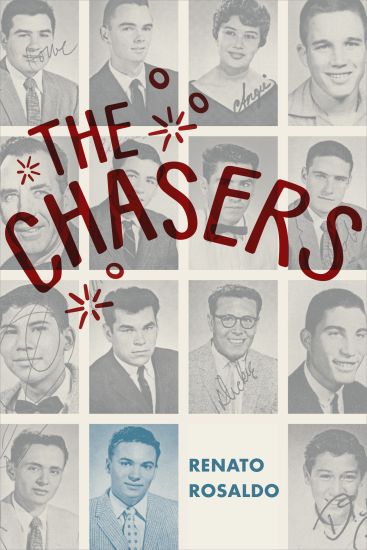
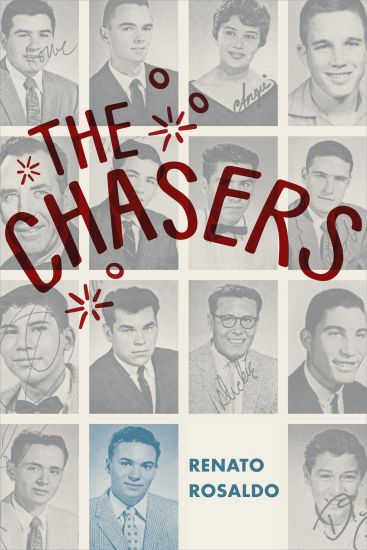
Renato Rosaldo's new prose poetry collection shares his experiences and those of his group of twelve Mexican American Tucson High School friends known as the Chasers as they grew up, graduated, and fell out of touch. Derived from interviews with the Chasers and three other friends conducted after their fiftieth high school reunion, Rosaldo's poems present a chorus of distinct voices and perspectives that convey the realities of Chicano life on the borderlands from the 1950s to the present.
Renato Rosaldo's new prose poetry collection shares his experiences and those of his group of twelve Mexican American Tucson High School friends known as the Chasers as they grew up, graduated, and fell out of touch. Derived from interviews with the Chasers and three other friends conducted after their fiftieth high school reunion, Rosaldo's poems present a chorus of distinct voices and perspectives that convey the realities of Chicano life on the borderlands from the 1950s to the present.
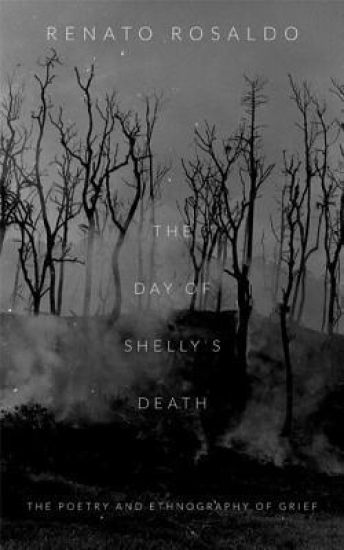
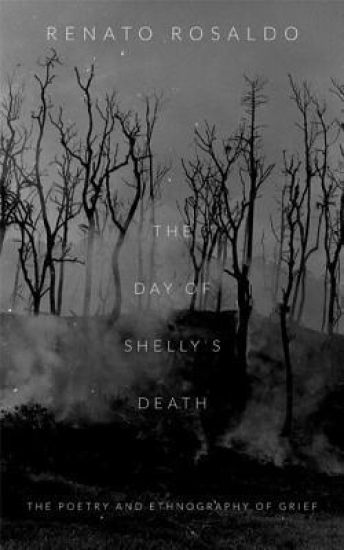
This deeply moving collection of poetry by Renato Rosaldo focuses on the shock of his wife Michelle (Shelly) Rosaldo's sudden death on October 11, 1981. Just the day before, Shelly and her family had arrived in the northern Philippine village of Mungayang, where she and her husband Renato, both accomplished anthropologists, planned to conduct fieldwork. On October 11, Shelly died after losing her footing and falling some sixty feet from a cliff into a swollen river. Renato Rosaldo explored the relationship between bereavement and rage in his canonical essay, "Grief and a Headhunter's Rage," which first appeared in 1984 and is reprinted here. In the poems at the heart of this book, he returns to the trauma of Shelly's death through the medium of free verse, maintaining a tight focus on the events of October 11, 1981. He explores not only his own experience of Shelly's death but also the imagined perspectives of many others whose lives intersected with that tragic event and its immediate aftermath, from Shelly herself to the cliff from which she fell, from the two young boys who lost their mother to the strangers who carried and cared for them, from a tricycle taxi driver, to a soldier, to priests and nuns. Photographs taken years earlier, when Renato and Shelly were conducting research across the river valley from Mungayang, add a stark beauty. In a new essay, "Notes on Poetry and Ethnography," Rosaldo explains how and why he came to write the harrowing yet beautiful poems in The Day of Shelly's Death. More than anything else though, the essay is a manifesto in support of what he calls antropoesía, verse with an ethnographic sensibility. The essay clarifies how this book of rare humanity and insight challenges the limits of ethnography as it is usually practiced.
This deeply moving collection of poetry by Renato Rosaldo focuses on the shock of his wife Michelle (Shelly) Rosaldo's sudden death on October 11, 1981. Just the day before, Shelly and her family had arrived in the northern Philippine village of Mungayang, where she and her husband Renato, both accomplished anthropologists, planned to conduct fieldwork. On October 11, Shelly died after losing her footing and falling some sixty feet from a cliff into a swollen river. Renato Rosaldo explored the relationship between bereavement and rage in his canonical essay, "Grief and a Headhunter's Rage," which first appeared in 1984 and is reprinted here. In the poems at the heart of this book, he returns to the trauma of Shelly's death through the medium of free verse, maintaining a tight focus on the events of October 11, 1981. He explores not only his own experience of Shelly's death but also the imagined perspectives of many others whose lives intersected with that tragic event and its immediate aftermath, from Shelly herself to the cliff from which she fell, from the two young boys who lost their mother to the strangers who carried and cared for them, from a tricycle taxi driver, to a soldier, to priests and nuns. Photographs taken years earlier, when Renato and Shelly were conducting research across the river valley from Mungayang, add a stark beauty. In a new essay, "Notes on Poetry and Ethnography," Rosaldo explains how and why he came to write the harrowing yet beautiful poems in The Day of Shelly's Death. More than anything else though, the essay is a manifesto in support of what he calls antropoesía, verse with an ethnographic sensibility. The essay clarifies how this book of rare humanity and insight challenges the limits of ethnography as it is usually practiced.

When it was originally published, Hybrid Cultures was foundational to Latin American cultural studies. This now-classic work features a new introduction in which Nestor Garcia Canclini calls for a cultural politics to contain the damaging effects of globalization and responds to relevant theoretical developments over the past decade.Garcia Canclini questions whether Latin America can compete in a global marketplace without losing its cultural identity. He moves with ease from the ideas of Gramsci and Foucault to economic analysis, from appraisals of the exchanges between Octavio Paz and Jorge Luis Borges to Chicano film and grafitti. Hybrid Cultures at once clarifies the development of democratic institutions in Latin America and reveals that the most destructive ideological trends are still going strong.

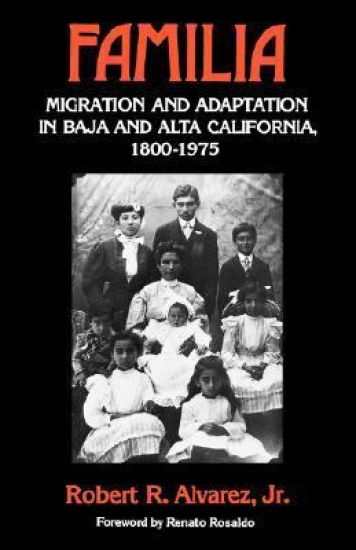
Anthropologists, historians, and sociologists will find here a striking challenge to accepted explanations of the northward movement of migrants from Mexico into the United States. Alvarez investigates the life histories of pioneer migrants and their offspring, finding a human dimension to migration which centers on the family. Spanish, American, and English exploits paved the way for exchange between Baja and Alta California. Alvarez shows how cultural stability actually increased as migrants settled in new locations, bringing their common values and memories with them.
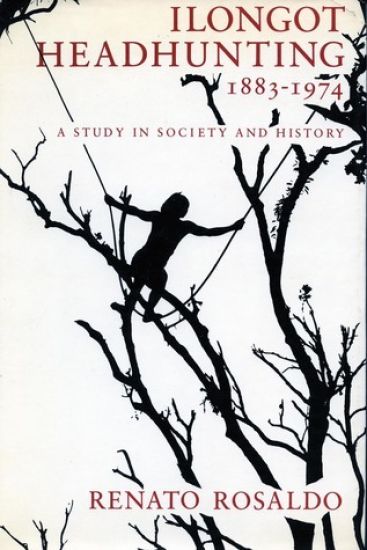
This study, a history of the kind of people who are supposed to have one, challenges the fashionable view that so-called primitives live in a timeless present. The conventional wisdom, that such societies are static, is shown by the author to be an artifact of anthropological method. By piecing together extended oral histories and written history records, the author found that headhunting among the Ilongots of Northern Luzon, Philippines, was not an unchanging ancient custom, but a cultural practice that has shifted dramatically over the course of the past century. Headhunting stopped, resumed, and stopped again; its victims at various periods were fellow Ilongots, Japanese soldiers, and lowland Christian Filipinos; it took place as surprise attack, planned vendetta, or distant raid against strangers. Placing headhunting in its social, cultural, and historical contexts requires a novel sense of how to use biography, recorded history, and narrative in the analysis of small-scale, non-literate local communities. This study combines historical and ethnographic method and documents the inherent orchestration of structure, events, time, and consciousness. The book is illustrated with 34 photographs.