Kirjojen hintavertailu. Mukana 12 595 353 kirjaa ja 12 kauppaa.

Kirjailija

Ricardo Ffrench-Davis

Kirjat ja teokset yhdessä paikassa: 4 kirjaa, julkaisuja vuosilta 2002-2006, suosituimpien joukossa Reforming Latin America's Economies. Vertaile teosten hintoja ja tarkista saatavuus suomalaisista kirjakaupoista.

4 kirjaa

Kirjojen julkaisuhaarukka 2002-2006.

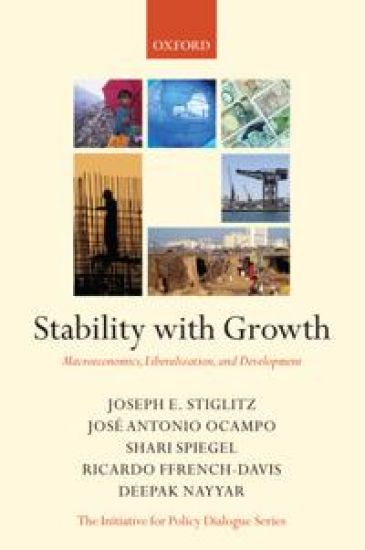
Stability with Growth

Stability with Growth

Joseph Stiglitz; José Antonio Ocampo; Shari Spiegel; Ricardo Ffrench-Davis; Deepak Nayyar

Oxford University Press
2006
nidottu
There is growing dissatisfaction with the economic policies advocated by the IMF and other international financial institutions - policies that have often resulted in stagnating growth, crises, and recessions for client countries. This book presents an alternative to "Washington Consensus" neo-liberal economic policies by showing that both macro-economic and liberalization policy must be sensitive to the particular circumstances of developing countries. One-size-fits-all policy prescriptions are likely to fail given the vast differences between countries. This book discusses how alternative approaches to economic policy can better serve developing countries both in ordinary times and in times of crisis.

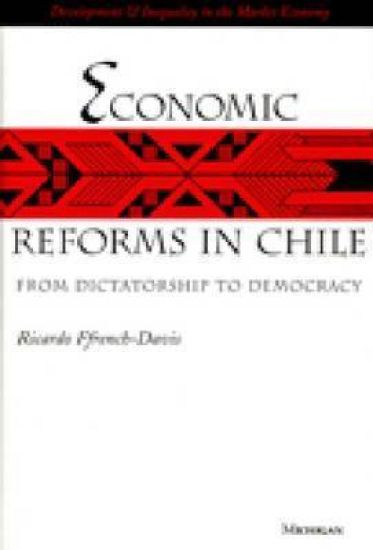
Economic Reforms in Chile

Economic Reforms in Chile

Ricardo Ffrench-Davis

The University of Michigan Press
2002
sidottu
Articulate and provocative, Richardo Ffrench-Davis offers the most comprehensive and timely assessment available of Chilean economic reform, from the military dictatorship of Pinochet in the 1970s up to the "reforms of reforms" made by the democratic governments in the 1990s. Written in accessible and readable prose, Economic Reforms in Chile begins with an overview of the Chilean economy during the last fifty years. This historical time frame is divided into three periods of economic reform. The first period covers the Pinochet regime, during which the more orthodox neoliberalism was implemented. The second period includes the Pinochet dictatorship, during which economic policy shifted toward pragmatism, particularly in the areas of trade and finance; it also includes the crisis of 1982 and its effects. The third period begins in 1990 with the return to democratic elections and the significant reforms to prior reforms. This section also examines the search for growth-with-equity, success in investment and growth performance, macroeconomic sustainability, and the reduction of poverty. Ffrench-Davis addresses several "paradoxes," or results that defy the expectations of policymakers, in order to analyze the significance of comprehensive macroeconomic equilibrium and its implications for sustainable stability, growth, and equity. Economic Reforms in Chile will be of interest to economists, political scientists, and policymakers involved with the economies of emerging and developing countries. Ricardo Ffrench-Davis is Principal Regional Advisor, ECLAC, Santiago, and Professor of Economics, University of Chile.