Kirjojen hintavertailu. Mukana 12 390 323 kirjaa ja 12 kauppaa.
Kirjailija
Richard Greene
Kirjat ja teokset yhdessä paikassa: 36 kirjaa, julkaisuja vuosilta 1985-2026, suosituimpien joukossa Making Government Work. Vertaile teosten hintoja ja tarkista saatavuus suomalaisista kirjakaupoista.
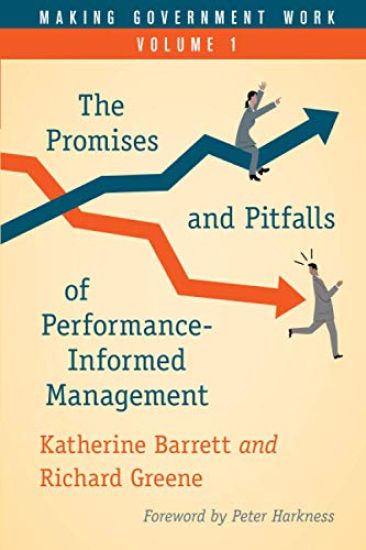
As performance management has evolved, it has encompassed many different tools and approaches including measurement, data analysis, evidence-based management, process improvement, research and evaluation. In the past, many of the efforts to improve performance in government have been fragmented, separated into silos and labeled with a variety of different names including performance-based budgeting, performance-informed management, managing for results and so on. Making Government Work: The Promises and Pitfalls of Performance-Informed Management by Katherine Barrett and Rich Greene is loaded with dozens of stories of what practitioners are currently working on—what’s working and what’s not. The benefits are ample, so are the challenges. This book describes both, along with practical steps taken by practitioners to make government work better. Readers will discover that while the authors strive to meet the documentation standards of carefully vetted academic papers, the approach they take is journalistic. Over the last year, Barrett and Greene talked to scores of state and local officials, as well as academics and other national experts to find out how performance management tools and approaches have changed, and what is coming in the near-term future. Performance management has been in a state of evolution for decades now, and so Barrett and Greene have endeavored to capture the state of the world as it is today. By detailing both the challenges and conquests of performance management in Making Government Work: The Promises and Pitfalls of Performance-Informed Management, Barrett and Greene insure readers will find the kind of balanced information that is helpful to both academics and practitioners—and that can move the field forward.
As performance management has evolved, it has encompassed many different tools and approaches including measurement, data analysis, evidence-based management, process improvement, research and evaluation. In the past, many of the efforts to improve performance in government have been fragmented, separated into silos and labeled with a variety of different names including performance-based budgeting, performance-informed management, managing for results and so on. Making Government Work: The Promises and Pitfalls of Performance-Informed Management by Katherine Barrett and Rich Greene is loaded with dozens of stories of what practitioners are currently working on—what’s working and what’s not. The benefits are ample, so are the challenges. This book describes both, along with practical steps taken by practitioners to make government work better. Readers will discover that while the authors strive to meet the documentation standards of carefully vetted academic papers, the approach they take is journalistic. Over the last year, Barrett and Greene talked to scores of state and local officials, as well as academics and other national experts to find out how performance management tools and approaches have changed, and what is coming in the near-term future. Performance management has been in a state of evolution for decades now, and so Barrett and Greene have endeavored to capture the state of the world as it is today. By detailing both the challenges and conquests of performance management in Making Government Work: The Promises and Pitfalls of Performance-Informed Management, Barrett and Greene insure readers will find the kind of balanced information that is helpful to both academics and practitioners—and that can move the field forward.
Richard Greene has been writing poetry intensively since he retired from a 38-year career in international development in the mid-1990s. A lawyer by training, he fell into his development career by accident when, after law school, though planning not to practice law but interested in international affairs, he accepted an unsolicited job offer from the U.S. Agency for International Development. After a few years in Washington (or Foggy Bottom, as the location of the U.S. foreign policy establishment is known), he was assigned as legal advisor to the USAID mission in Laos and there discovered that the development business suited his interests and inclinations very well. Greene wrote poetry beginning in the 8th grade and continued through college where he studied with a Professor, Henry Rago, who later became editor of Poetry magazine, the leading U.S. poetry journal. However, he wrote few poems after law school as he became absorbed in international development, but turned back to poetry as he neared retirement.
There is a tsunami of research being produced by social scientists, and most of them hope that their work will have impact on public policy. There is an enormous hunger by practitioners for insights into the work they are doing. Far too often, however, there is little connection between the two groups. Researchers complain that practitioners don’t pay enough attention to what they’re writing. Practitioners say that much of what they read isn’t understandable. We propose to write a short, handy guide like Strunk and White’s The Elements of Style, aimed at those who seek to translate their research into impact on the world of public affairs. It will help readers do so in academic journals; dissertations and other research-based papers by graduate and undergraduate students; commentaries for major government-focused publications like Governing and GovExec; op-eds for major publications and local newspapers; think tanks and foundations; policy memos aimed at stakeholders within government agencies and elected officials; and books. It will be designed so that its readers can quickly digest it from cover to cover, but it is our expectation that many will jump from chapter to chapter, seeking just the information they most covet. The chapter titles themselves will be punchy, and sometimes humorous, but with an emphasis on clarity. In addition, we will conclude each chapter with a series of bulleted take-aways, in the form of “Do’s and Don’ts”The chapters will develop lessons based on feedback we have gleaned from leading authors and editors, in addition to the authors’ cumulative 110 years in the realm of public administration. The book will provide specific real-world examples of what works—and what doesn’t. By way of illustration, examples will include a good pitch for an op-ed for a regional or a major newspaper; the opening paragraphs of a particularly well written journal abstract; and multiple concrete examples of clear concise writing – or unclear verbose writing – taken from published work.The result will be a guidebook for preparing more effective writing, as well as creating greater impact for useful policy ideas. Given the growing complexity of government problems and the declining trust in government’s operations, writing for impact has never been more important.
There is a tsunami of research being produced by social scientists, and most of them hope that their work will have impact on public policy. There is an enormous hunger by practitioners for insights into the work they are doing. Far too often, however, there is little connection between the two groups. Researchers complain that practitioners don’t pay enough attention to what they’re writing. Practitioners say that much of what they read isn’t understandable. We propose to write a short, handy guide like Strunk and White’s The Elements of Style, aimed at those who seek to translate their research into impact on the world of public affairs. It will help readers do so in academic journals; dissertations and other research-based papers by graduate and undergraduate students; commentaries for major government-focused publications like Governing and GovExec; op-eds for major publications and local newspapers; think tanks and foundations; policy memos aimed at stakeholders within government agencies and elected officials; and books. It will be designed so that its readers can quickly digest it from cover to cover, but it is our expectation that many will jump from chapter to chapter, seeking just the information they most covet. The chapter titles themselves will be punchy, and sometimes humorous, but with an emphasis on clarity. In addition, we will conclude each chapter with a series of bulleted take-aways, in the form of “Do’s and Don’ts”The chapters will develop lessons based on feedback we have gleaned from leading authors and editors, in addition to the authors’ cumulative 110 years in the realm of public administration. The book will provide specific real-world examples of what works—and what doesn’t. By way of illustration, examples will include a good pitch for an op-ed for a regional or a major newspaper; the opening paragraphs of a particularly well written journal abstract; and multiple concrete examples of clear concise writing – or unclear verbose writing – taken from published work.The result will be a guidebook for preparing more effective writing, as well as creating greater impact for useful policy ideas. Given the growing complexity of government problems and the declining trust in government’s operations, writing for impact has never been more important.
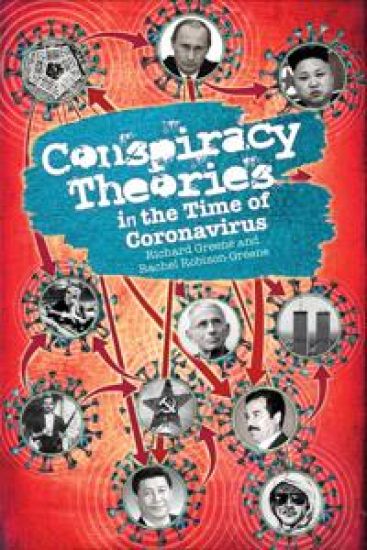
Microchips, government-replaced bird drones, QAnon and vaccine tracers: these are just a few of the most common conspiracies we have heard over and over again throughout most of 2020-2021's news cycles. There are common categories of conspiracy theories, variants of which pop up over and over again, and new and outrageous theories that seemingly appear overnight. While most of them are easily debunked, conspiracy theories and their root causes can be used to closely track people’s most significant philosophical concerns at a point in time. In this up-to-date study of conspiracy theories, the authors look at the history of conspiracy theories, discuss the history and hallmarks of such theories, and examine what counts as a conspiracy theory--and what doesn’t.
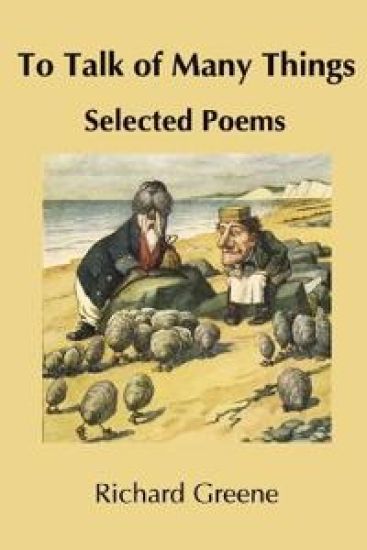
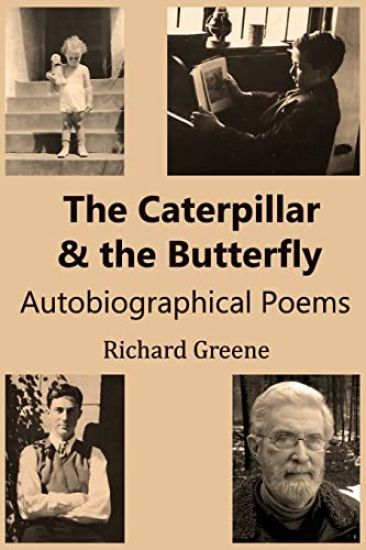
A collection of autobiographical poems by Richard Greene. Richard Greene has been writing poetry intensively since he retired from a 38-year career in international development in the mid-1990s. A lawyer by training, he fell into his development career by accident when, after law school, though planning not to practice law but interested in international affairs, he accepted an unsolicited job offer from the U.S. Agency for International Development. After a few years in Washington (or Foggy Bottom, as the location of the U.S. foreign policy establishment is known), he was assigned as legal advisor to the USAID mission in Laos and there discovered that the development business suited his interests and inclinations very well. Greene wrote poetry beginning in the 8th grade and continued through college where he studied with a Professor, Henry Rago, who later became editor of Poetry magazine, the leading U.S. poetry journal. However, he wrote few poems after law school as he became absorbed in international development, but turned back to poetry as he neared retirement.
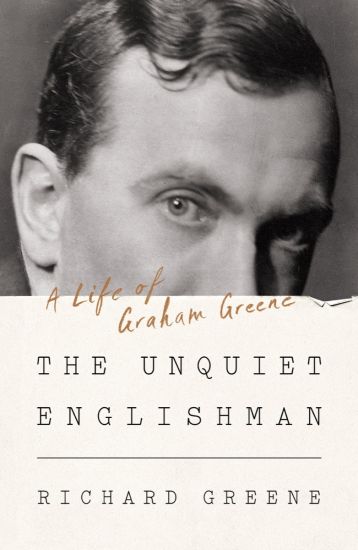
One of the most celebrated British writers of his generation, Graham Greene's own story was as strange and compelling as those he told of Pinkie the Mobster, Harry Lime, or the Whisky Priest. A journalist and MI6 officer, Greene sought out the inner narratives of war and politics across the world; he witnessed the Second World War, the Vietnam War, the Mau Mau Rebellion, the rise of Fidel Castro, and the guerrilla wars of Central America. His classic novels, including The Heart of the Matter and The Quiet American, are only pieces of a career that reads like a primer on the twentieth century itself. The Unquiet Englishman braids the narratives of Greene's extraordinary life. It portrays a man who was traumatized as an adolescent and later suffered a mental illness that brought him to the point of suicide on several occasions; it tells the story of a restless traveler and unfailing advocate for human rights exploring troubled places around the world, a man who struggled to believe in God and yet found himself described as a great Catholic writer; it reveals a private life in which love almost always ended in ruin, alongside a larger story of politicians, battlefields, and spies. Above all, The Unquiet Englishman shows us a brilliant novelist mastering his craft.A work of wit, insight, and compassion, this new biography of Graham Greene, the first undertaken in a generation, responds to the many thousands of pages of letters that have recently come to light and to new memoirs by those who knew him best. It deals sensitively with questions of private life, sex, and mental illness, and sheds new light on one of the foremost modern writers.
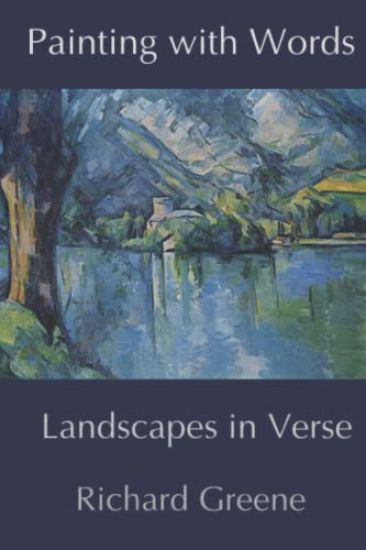
A collection of poems describing the exterior world, such as: Orinocos of the Imagination I've never been to the Orinoco and have seen few photos of it, but I feel I know its sinuous lengths, winding between thick jungle walls, flashing silver in the sun, delicate waterfalls threading from cloud-shrouded cliffs, dense foliage adorned with birds of kindergarten colors and jaguars that merge into shadow, the insistent music of bird cry and monkey chatter, dugouts and caimans scoring its sleek waters, those who people its valley gliding nearly naked through twilight forests, dappled by the distant sun. I know these lush landscapes from my dreams.
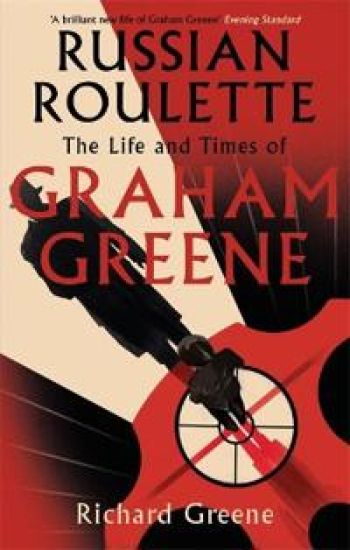
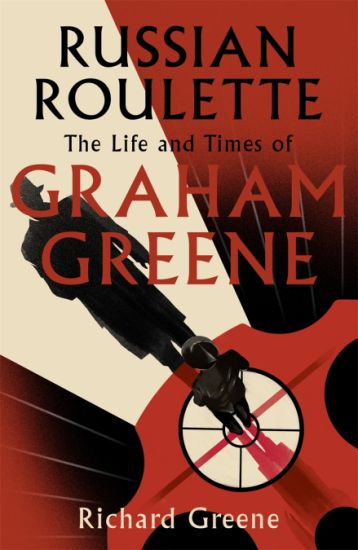
Probably the greatest British novelist of his generation, Graham Greene's own story was as strange and compelling as those he told of Pinkie the Mobster, Harry Lime, or the Whisky Priest. A restless traveller, he was a witness to many of the key events of modern history - including the origins of the Vietnam War, the Mau Mau Rebellion, the betrayal of the double-agent Kim Philby, the rise of Fidel Castro, and the guerrilla wars of Central America.Traumatized as a boy and thought a Judas among his schoolmates, Greene tried Russian Roulette and attempted suicide. He suffered from bipolar illness, which caused havoc in his private life as his marriage failed, and one great love after another suffered shipwreck, until in his later years he found constancy in a decidedly unconventional relationship.Often called a Catholic novelist, his works came to explore the no man's land between belief and unbelief. A journalist, an MI6 officer, and an unfailing advocate for human rights, he sought out the inner narratives of war and politics in dozens of troubled places, and yet he distrusted nations and armies, believing that true loyalty was a matter between individuals.A work of wit, insight, and compassion, this new biography of Graham Greene, the first undertaken in a generation, responds to the many thousands of pages of lost letters that have recently come to light and to new memoirs by those who knew him best. It deals sensitively with questions of private life, sex, and mental illness; it gives a thorough accounting for the politics of the places he wrote about; it investigates his involvement with MI6 and the Cambridge five; above all, it follows the growth of a writer whose works changed the lives of millions.
One of the most celebrated British writers of his generation, Graham Greene's own story was as strange and compelling as those he told of Pinkie the Mobster, Harry Lime, or the Whisky Priest. A journalist and MI6 officer, Greene sought out the inner narratives of war and politics across the world; he witnessed the Second World War, the Vietnam War, the Mau Mau Rebellion, the rise of Fidel Castro, and the guerrilla wars of Central America. His classic novels, including The Heart of the Matter and The Quiet American, are only pieces of a career that reads like a primer on the twentieth century itself. The Unquiet Englishman braids the narratives of Greene's extraordinary life. It portrays a man who was traumatized as an adolescent and later suffered a mental illness that brought him to the point of suicide on several occasions; it tells the story of a restless traveler and unfailing advocate for human rights exploring troubled places around the world, a man who struggled to believe in God and yet found himself described as a great Catholic writer; it reveals a private life in which love almost always ended in ruin, alongside a larger story of politicians, battlefields, and spies. Above all, The Unquiet Englishman shows us a brilliant novelist mastering his craft.A work of wit, insight, and compassion, this new biography of Graham Greene, the first undertaken in a generation, responds to the many thousands of pages of letters that have recently come to light and to new memoirs by those who knew him best. It deals sensitively with questions of private life, sex, and mental illness, and sheds new light on one of the foremost modern writers.
Probably the greatest British novelist of his generation, Graham Greene's own story was as strange and compelling as those he told of Pinkie the Mobster, Harry Lime, or the Whisky Priest. A restless traveller, he was a witness to many of the key events of modern history - including the origins of the Vietnam War, the Mau Mau Rebellion, the betrayal of the double-agent Kim Philby, the rise of Fidel Castro, and the guerrilla wars of Central America.Traumatized as a boy and thought a Judas among his schoolmates, Greene tried Russian Roulette and attempted suicide. He suffered from bipolar illness, which caused havoc in his private life as his marriage failed, and one great love after another suffered shipwreck, until in his later years he found constancy in a decidedly unconventional relationship.Often called a Catholic novelist, his works came to explore the no man's land between belief and unbelief. A journalist, an MI6 officer, and an unfailing advocate for human rights, he sought out the inner narratives of war and politics in dozens of troubled places, and yet he distrusted nations and armies, believing that true loyalty was a matter between individuals.A work of wit, insight, and compassion, this new biography of Graham Greene, the first undertaken in a generation, responds to the many thousands of pages of lost letters that have recently come to light and to new memoirs by those who knew him best. It deals sensitively with questions of private life, sex, and mental illness; it gives a thorough accounting for the politics of the places he wrote about; it investigates his involvement with MI6 and the Cambridge five; above all, it follows the growth of a writer whose works changed the lives of millions.
Matchless Beauties is a presentation of hundreds ofclassic "Girlie" matchbook covers in full color, displaying pinups by legendarypinup artists such as Earl Moran, George Petty, and Alberto Vargas, as well asmany unsung anonymous artists who created beautiful "Glamour Girls" to selleverything from lightbulbs to lingerie. Today's burlesque revivalists can findinspiration in the colorful covers shown in one chapter, while hula dancersinvite tourists to exotic luaus and stateside tiki bars in another. The range ofapplications and advertisers is astounding! Culled from one of the best privatecollections of matchcovers in the country, Matchless Beauties offers a funjourney into one of the most popular forms of ephemeral advertising of the 20thcentury. On a more practical note, this book will also serve as a handy visualreference guide for professional graphic designers looking for ideas. Whetherused as inspiration or just enjoyed as sweet eyecandy, Matchless Beauties is awelcome addition to the library of anyone who appreciates feminine beauty andvintage advertising.
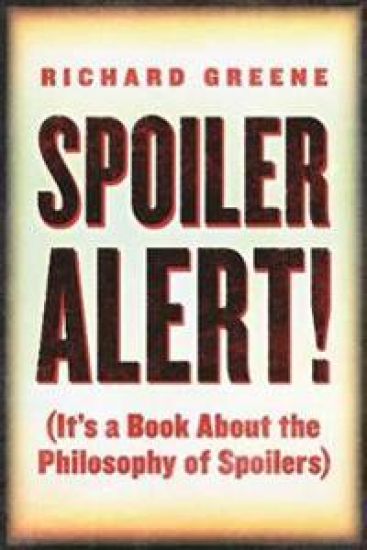
Spoilers get folks upset—really upset. One thing that follows from this is that if you pick up a book that’s all about spoilers, it may seriously disturb you. So anyone reading this book—or even dipping into it—does so at their peril. Spoilers have a long history, going back to the time when some Greek theater-goer shouted “That’s Oedipus’s mom!” But spoilers didn’t use to be so intensely despised as they are today. The new, fierce hatred of spoilers is associated with the Golden Age of television and the ubiquity of DVR/Netflix/Hulu, and the like. Today, most people have their own personal “horror story” about the time when they were subject to the most unfair, unjust, outrageous, and unforgivable spoiler. A first definition of spoiler might be revealing any information about a work of fiction (in any form, such as a book, TV show, or movie) to someone who hasn’t encountered it. But this isn’t quite good enough. It wouldn’t be a spoiler to say “The next Star Trek movie will include a Vulcan.” Nor would it be a spoiler to say, “The story of Shawshank Redemption comes from a short story by Stephen King.” There has to be something at least a bit unexpected or unpredictable about the information, and it has to be important to the content of the work. And you could perpetrate a spoiler by divulging information about something other than a work of fiction, for example details of a sports game, to someone who has tivoed the game but not yet watched it. Timing and other matters of context may make the difference between a spoiler and a non-spoiler. It could be a spoiler to say “There’s a Vulcan in the next Star Trek movie” if spoken to someone raised in North Korea and knowing absolutely nothing about Star Trek. It can also be a spoiler to say something about a movie or TV show when it’s new, and not a spoiler when it has been around for some years. This raises the distinction between “personal spoilers” and “impersonal spoilers.” Personal spoilers are spoilers for some particular individual, because of their circumstances. You should never give personal spoilers (such as when someone says that they have never seen a particular movie, even though the plot is common knowledge. You can’t tell them the plot). Sometimes facts other than facts about a story can be spoilers, because they allow people to deduce something about the story. To reveal that a certain actor is not taking part in shooting the next episode may allow someone to jump to conclusions about the story. Spoilers need not be specific; they can be very vague. If you told someone there was a big surprise ending to The Sixth Sense or Fight Club, that might spoil these movies for people who haven’t seen them. You can spoil by mentioning things that are common knowledge, if someone has missed out on that knowledge (“Luke and Darth Vader are related”), but you usually can’t be blamed for this. People have some obligation to keep up. This means that in general you can’t be blamed for spoilers about stories that are old. “Both Romeo and Juliet are dead at the end” could be a spoiler for someone, but you can’t be blamed for it. This is a rule that’s often observed: many publications have regulations forbidding the release of some types of spoilers for a precisely fixed time after a movie release. However, some spoilers never expire, either because the plot twist is so vital or the work is so significant. So, if you’re talking to young kids, you probably should never say “Darth Vader is Luke’s father,” “Norman Bates is Mother,” “Dorothy’s trip to Oz was all a dream,” “All the passengers on the Orient Express collaborated in the murder,” “in The Murder of Roger Akroyd, the narrator did it,” “Soylent Green is people,” “To Serve Man is a cookbook,” and finally, what many consider to be the greatest and worst spoiler of them all, “The Planet of the Apes is really Earth.” Some famous “spoilers” are not true spoilers. It’s not going to spoil Citizen Kane for anyone to say “Rosebud is his sled.” This piece of information is not truly significant. It’s more of a McGuffin than a plot twist. A paradox about spoiling is that people often enjoy a work of fiction such as a Sherlock Holmes story over and over again. They remember the outline of the story, and who did the murder, but this doesn’t stop them re-reading. This demonstrates that the spoilage generated by spoilers is less than we might imagine. It’s bad to spoil, but how bad? People do seem to exaggerate the dreadfulness of spoiling, compared with other examples of inconsiderateness or rudeness. Are there occasions when it’s morally required to spoil? Yes, you might want to dissuade someone from watching or reading something you believed might harm them somehow. Also, you might issue a spoiler in order to save the world from a terrorist attack (Yes, this is a philosophy book, so it has to include at least one totally absurd example). A more doubtful case is deliberate spoiling as a protest, as occurred with Basic Instinct. The book ends with three spoiler lists: the Most Outrageous Spoiler “Horror Stories”; the Greatest Spoilers of All Time; and the Greatest Spoilers in Philosophy.