Kirjojen hintavertailu. Mukana 12 330 392 kirjaa ja 12 kauppaa.

Kirjailija

Richard L Dayringer

Kirjat ja teokset yhdessä paikassa: 26 kirjaa, julkaisuja vuosilta 1995-2006, suosituimpien joukossa Dealing with Depression. Vertaile teosten hintoja ja tarkista saatavuus suomalaisista kirjakaupoista.

26 kirjaa

Kirjojen julkaisuhaarukka 1995-2006.

Dealing with Depression

Dealing with Depression

William M Clements; Richard L Dayringer

Routledge Member of the Taylor and Francis Group
1995
sidottu
This important book explores strategies to enable clergy and lay persons to identify and help individuals suffering from depression. It contains many techniques that can be used in managing depression, including coping devices, treatments, and interventions which actually help depressed persons to improve their mental health. Dealing With Depression describes types of depression and related symptoms to help clergy develop a more complete understanding of the disorder. They will learn to recognize the symptoms of depression and be better able to help individuals who suffer from it. This useful guide includes a step-by-step approach to depression intervention and proven techniques readers can use to enable people to cope more successfully with depression. This important book has also been translated into a Chinese version. Dealing With Depression brings together expert psychologists who explore five modalities for conceptualizing and managing depression, which deflates for clergy the often intimidating quality of the disorder. These experts discuss in practical and understandable ways the helping techniques they use and explain their understanding of depression and their methods of treatment. A medical-religious case conference with these experts shows how clergy and laity can help ease depression and an extensive bibliography is included to facilitate further reference. Dealing With Depression puts this common disorder back into the human life situation where it can be seen as just another temporary disturbance to which human beings are vulnerable, but which need not significantly distort their lives, relationships, spiritual development, or prosperity of body, mind, and soul.
Dealing with Depression

Dealing with Depression

William M Clements; Richard L Dayringer

Routledge Member of the Taylor and Francis Group
1995
nidottu
This important book explores strategies to enable clergy and lay persons to identify and help individuals suffering from depression. It contains many techniques that can be used in managing depression, including coping devices, treatments, and interventions which actually help depressed persons to improve their mental health. Dealing With Depression describes types of depression and related symptoms to help clergy develop a more complete understanding of the disorder. They will learn to recognize the symptoms of depression and be better able to help individuals who suffer from it. This useful guide includes a step-by-step approach to depression intervention and proven techniques readers can use to enable people to cope more successfully with depression. This important book has also been translated into a Chinese version. Dealing With Depression brings together expert psychologists who explore five modalities for conceptualizing and managing depression, which deflates for clergy the often intimidating quality of the disorder. These experts discuss in practical and understandable ways the helping techniques they use and explain their understanding of depression and their methods of treatment. A medical-religious case conference with these experts shows how clergy and laity can help ease depression and an extensive bibliography is included to facilitate further reference. Dealing With Depression puts this common disorder back into the human life situation where it can be seen as just another temporary disturbance to which human beings are vulnerable, but which need not significantly distort their lives, relationships, spiritual development, or prosperity of body, mind, and soul.
Ask Anything

Ask Anything

Richard L Dayringer; Richard P Olson

Routledge Member of the Taylor and Francis Group
2006
nidottu
Know how to answer those most-asked questionsby using a scriptural perspectiveThe search for answers remains a valuable catalyst for the growth of personal faith. Ask Anything: A Pastoral Theology of Inquiry provides a fresh approach to answering questions of personal growth, facing problems, and building community. The questions most asked of today’s pastors and pastoral counselors are answered by integrating psychological with biblical/Christian perspectives. Jesus’ own questions from scripture are presented as a response to those difficult questions, sparking a self-reflective personal dialogue that illuminates as well as inspires. As each of us journeys through life, urgent questions arise even for the most faithful. Each chapter of Ask Anything: A Pastoral Theology of Inquiry takes parishioners' most-asked questions about the basic issues of life, death, and faith, and connects them with Jesus' questions from scripture, allowing a new depth of introspection and thought. These questions open a free flow of ideas that refreshes personal perspectives and leads to a spiritual resolution for the issue at hand. Jesus' teachings spring to life through the questions from the gospels and the probing thoughts of contemporary authors and scholars, stimulating a productive inner dialogue and positive direction for reflection. Each chapter is carefully referenced and includes helpful exercises and questions for group discussion, counseling conversations, or personal contemplation. Appendixes are included with complete listings of Jesus' questions from the gospels as well as a complete bibliography to facilitate further research.Ask Anything: A Pastoral Theology of Inquiry discusses these questions often asked of pastors: Where do I find meaning in life? How can I succeed? What can I do to protect my children? How can I know which leaders to trust? What can I do about my battle with depression? What can I do about my burnout and fatigue? How can I know God loves me? What is prayer? What happens when I pray? Why is my prayer unanswered? Why is there suffering? Where do I find hope? What happens when I die? What can I do about the pain of grief? Ask Anything: A Pastoral Theology of Inquiry is inspiring, eye-opening reading perfect for pastoral and other Christian counselors, ministers with responsibility for preaching, and any layperson hoping to gather greater insight into Jesus’ personal answers to their own questions.
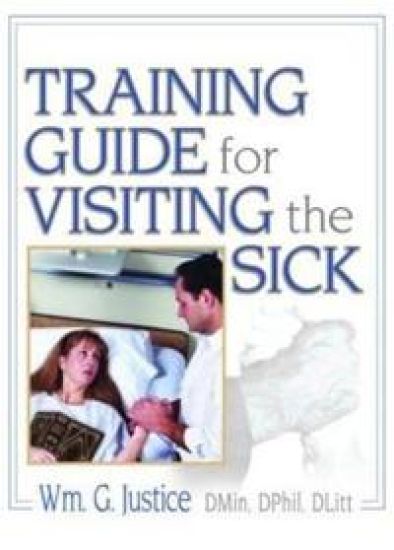
Training Guide for Visiting the Sick

Training Guide for Visiting the Sick

Richard L Dayringer; William G Justice

Routledge Member of the Taylor and Francis Group
2005
sidottu
Understand the basic practical aspects of pastoral careand make your visit to the sick meaningful for both of you! Training Guide for Visiting the Sick: More Than a Social Call is a useful handbook from a Christian perspective that provides the common sense and not-so-common answers to your questions on how best to minister to the sick. Drawing on his three decades of experience as a bedside hospital chaplain, the author explains appropriate and inappropriate behaviors and suggests things to say (or not to say) to truly make your next visit fruitful for you and the patient. More than simply an educational tool, this guidebook provides clergy and Christian laypeople with spiritual explanations and straightforward strategies to not only comfort the patient but also foster the sense of joy and accomplishment in oneself.Training Guide for Visiting the Sick: More Than a Social Call teaches you to glean a positive experience from a difficult task, the visit to the sick. The author shares his insights learned in his lengthy and distinguished career in this instructional guidebook. Honest and compassionate in its portrayal of the sick and dying, the book prepares the reader spiritually, emotionally, and even physically for the challenge of the visit while focusing on the distress and the needs of the patient. At times stating practical common sense, other times shining an insightful light on the less physical aspects of the visit, this educational handbook is invaluable for all who minister, or wish to minister, to the sick.Training Guide for Visiting the Sick: More Than a Social Call discusses: Jesus’ Eleventh CommandmentTo Love One Another how to prepare yourself spiritually and emotionally for the visit the hospital patient’s world explanations of patients’ possible emotional, financial, family, and spiritual distress do’s and don’ts to note before and during a visit to the patient’s room the special needs of shut-ins ministering to the dying ministering to difficult patients ministering to Alzheimer’s or comatose patients Training Guide for Visiting the Sick: More Than a Social Call is a practical educational guide for pastors, supervisors in clinical pastoral education programs, CPE students, college and seminary students in courses in ministry to the sick, police and fire department chaplains, and family and friends of hospitalized, nursing home, and assisted living patients/residents.
Training Guide for Visiting the Sick

Training Guide for Visiting the Sick

Richard L Dayringer; William G Justice

Routledge Member of the Taylor and Francis Group
2005
nidottu
Understand the basic practical aspects of pastoral careand make your visit to the sick meaningful for both of you! Training Guide for Visiting the Sick: More Than a Social Call is a useful handbook from a Christian perspective that provides the common sense and not-so-common answers to your questions on how best to minister to the sick. Drawing on his three decades of experience as a bedside hospital chaplain, the author explains appropriate and inappropriate behaviors and suggests things to say (or not to say) to truly make your next visit fruitful for you and the patient. More than simply an educational tool, this guidebook provides clergy and Christian laypeople with spiritual explanations and straightforward strategies to not only comfort the patient but also foster the sense of joy and accomplishment in oneself.Training Guide for Visiting the Sick: More Than a Social Call teaches you to glean a positive experience from a difficult task, the visit to the sick. The author shares his insights learned in his lengthy and distinguished career in this instructional guidebook. Honest and compassionate in its portrayal of the sick and dying, the book prepares the reader spiritually, emotionally, and even physically for the challenge of the visit while focusing on the distress and the needs of the patient. At times stating practical common sense, other times shining an insightful light on the less physical aspects of the visit, this educational handbook is invaluable for all who minister, or wish to minister, to the sick.Training Guide for Visiting the Sick: More Than a Social Call discusses: Jesus’ Eleventh CommandmentTo Love One Another how to prepare yourself spiritually and emotionally for the visit the hospital patient’s world explanations of patients’ possible emotional, financial, family, and spiritual distress do’s and don’ts to note before and during a visit to the patient’s room the special needs of shut-ins ministering to the dying ministering to difficult patients ministering to Alzheimer’s or comatose patients Training Guide for Visiting the Sick: More Than a Social Call is a practical educational guide for pastors, supervisors in clinical pastoral education programs, CPE students, college and seminary students in courses in ministry to the sick, police and fire department chaplains, and family and friends of hospitalized, nursing home, and assisted living patients/residents.
The Image of God and the Psychology of Religion

The Image of God and the Psychology of Religion

Richard L Dayringer; David Oler

Routledge Member of the Taylor and Francis Group
2005
sidottu
What are the implications of a client’s image of God?Improve your confidenceand your practice skillsby enhancing your knowledge of how individuals are likely to perceive God, and of how those perceptions impact the way they function as human beings. Theologians have long speculated and theorized about how humans imagine God to be. This book merges theology with science, presenting empirical research focused on perceptions of God in a variety of populations living in community and mental health settings. Each chapter concludes with references that comprise an essential reading list, and the book is generously enhanced with tables that make data easy to access and understand. Liberating Images of God discusses the constriction and impoverishment of God images due to the traditional restrictions of God images to those that are male and personified. This chapter examines the potential for the client and counselor’s co-creation of images of God which embrace the feminine as well as the masculine, the nurturer as well as the warrior, and the natural world in all its dimensions as well as the human world, to liberate, enrich, sustain, and transform the client’s relationships with God and with him/herself. Attachment, Well-Being, and Religious Participation Among People with Severe Mental Disorders examines the relationship between attachment states of mind and religious participation among people diagnosed with severe mental illness. Concepts of God and Therapeutic Alliance Among People with Severe Mental Disorders explores the transferential aspects of God representation among severely mentally ill adults. It highlights research on the relationship between a patient’s image of God and that patient’s working relationship with his/her case manager, and discusses the implications for clinical practice of those findings. The Subjective Experience of God presents a theory about the psychological basis for the experience of God that argues that this experience is essentially a form of projection and as such is an internal event that does not exist independent of an individual’s psyche. This chapter draws a distinction between faith in a particular beliefnamely, faith in the existence of a loving, omnipotent Godand an attitude of faith, which is the basis for experiences of transcendence. Relationship of Gender Role Identity and Attitudes presents the results of a study in which nearly 300 Catholic attendees at three university Catholic centers completed the Bern Sex Role Inventory, the Attitudes Toward Women Scale, and the Perceptions of God Checklist. This chapter looks at images of God as masculine or feminine, and at the connection for people between the way they perceive God and the way they relate towards men and women. Reflections on a Study in a Mental Hospital, brings you groundbreaking new research on perceptions of God in an inpatient population. This chapter examines the positive effects (as opposed to the negative effects previously portrayed by the psychological community) of religious belief and practice for residential care patients in a psychiatric hospital.
The Image of God and the Psychology of Religion

The Image of God and the Psychology of Religion

Richard L Dayringer; David Oler

Routledge Member of the Taylor and Francis Group
2005
nidottu
What are the implications of a client’s image of God?Improve your confidenceand your practice skillsby enhancing your knowledge of how individuals are likely to perceive God, and of how those perceptions impact the way they function as human beings. Theologians have long speculated and theorized about how humans imagine God to be. This book merges theology with science, presenting empirical research focused on perceptions of God in a variety of populations living in community and mental health settings. Each chapter concludes with references that comprise an essential reading list, and the book is generously enhanced with tables that make data easy to access and understand. Liberating Images of God discusses the constriction and impoverishment of God images due to the traditional restrictions of God images to those that are male and personified. This chapter examines the potential for the client and counselor’s co-creation of images of God which embrace the feminine as well as the masculine, the nurturer as well as the warrior, and the natural world in all its dimensions as well as the human world, to liberate, enrich, sustain, and transform the client’s relationships with God and with him/herself. Attachment, Well-Being, and Religious Participation Among People with Severe Mental Disorders examines the relationship between attachment states of mind and religious participation among people diagnosed with severe mental illness. Concepts of God and Therapeutic Alliance Among People with Severe Mental Disorders explores the transferential aspects of God representation among severely mentally ill adults. It highlights research on the relationship between a patient’s image of God and that patient’s working relationship with his/her case manager, and discusses the implications for clinical practice of those findings. The Subjective Experience of God presents a theory about the psychological basis for the experience of God that argues that this experience is essentially a form of projection and as such is an internal event that does not exist independent of an individual’s psyche. This chapter draws a distinction between faith in a particular beliefnamely, faith in the existence of a loving, omnipotent Godand an attitude of faith, which is the basis for experiences of transcendence. Relationship of Gender Role Identity and Attitudes presents the results of a study in which nearly 300 Catholic attendees at three university Catholic centers completed the Bern Sex Role Inventory, the Attitudes Toward Women Scale, and the Perceptions of God Checklist. This chapter looks at images of God as masculine or feminine, and at the connection for people between the way they perceive God and the way they relate towards men and women. Reflections on a Study in a Mental Hospital, brings you groundbreaking new research on perceptions of God in an inpatient population. This chapter examines the positive effects (as opposed to the negative effects previously portrayed by the psychological community) of religious belief and practice for residential care patients in a psychiatric hospital.
Becoming a Forgiving Person

Becoming a Forgiving Person

Richard L Dayringer; Henry Close

Routledge Member of the Taylor and Francis Group
2004
sidottu
Don’t let hurt feelings cause undue harmlearn to make use of the healing power of forgiveness! Charting different paths through feelings of betrayal, oppression, and humiliation, this compassionate book will help you understand forgiveness, find it within yourself, and pass this important knowledge to others. The poignant stories in Becoming a Forgiving Person show how anyone can manage feelings of victimization and quench the lust for vengeance. You’ll gain a deeper understanding of the dynamics of being hurt, the inner struggles needed to truly forgive, and methods and skills for practicing forgiveness. Combining religious and psychological insight, Becoming a Forgiving Person examines how forgiveness can enhance feelings of self-esteem, freedom, and intimacy. The personal stories in these pages illuminate the futility of revenge and show why apologies don’t always help. You’ll be inspired by these lessons on how to forgive yourself and other people by tapping into levels of spirituality that are deeper than the grievances you need to forgive. With its fascinating new perspectives on betrayal, revenge, apology, and reconciliation, Becoming a Forgiving Person will show you: how to forgive without waiting for apologies ways to find personal power and increase self-esteem strategies for cultivating networks of supportive people to help youor anyonethrough difficult times tactics for getting on with your life and finding inner peace how and where to find opportunities to practice forgivenessThis book also contains an appendix that lists various types of offenses and another that explores how to respond to one of the most hurtful situations imaginablethe accusation of incestin a way that bypasses denial and power struggles and works toward reconciliation. Becoming a Forgiving Person is a book that can help anyone who needs to learn to forgiveor who endeavors to help others accomplish that daunting task.
Transforming Shame

Transforming Shame

Jill L Mcnish; Richard L Dayringer

Routledge Member of the Taylor and Francis Group
2004
sidottu
Explore shame's revelatory and transformative potential within Christianity and the Church Learn to understand shame to allow for positive change in your clients and parishioners. This book explores psychological, spiritual, and theological aspects of shame and shame's transformative potential. It will help pastoral care givers and mental health workers to identify shame issues and become agents of healing. By examining shame in the gospel accounts of the life, ministry, and death of Jesus, it shows that shame is a vital part of what defines us as human, and how shame can draw us into the mystery of our relationship with God. From the author: This book develops the thesis that shame is a necessary and ontological part of the human condition. Shame can become pathological, undergirding and dominating the entire personality, making it impossible to feel oneself either part of the collective or an individual in one's own right. Transformation of shame is a large part of the psychic meaning of the Christ event, what Christianity is about. Transformation of shame is the experience of grace. The great saints and icons of Christianity have used the Christ event to transform shame and experience grace. The more completely they have done this, the deeper their experience of unity with God. With Transforming Shame: A Pastoral Response, you'll explore: the phenomenological meaning of shame the psychological meaning, implications, and etiology of shame shame in the context of scripture and Christian theology the methodology for contextualizing theories of depth psychology in theology and religious experience human defense mechanisms to shame shame's usefulness in coming to a deeper understanding of personal identity the role of the institutional church in helping its people find meaning in shame and experiencing the grace that comes from shame's transformation how to address the Church's role in fostering toxic shame With practical examples drawn from pastoral ministry and a thoughtful, interdisciplinary approach, this book will help you understand both the psychology and the spirituality of shame and make the essential connections between the two. Extensive references and a handy bibliography point the way to further reading on this fascinating subject.
Becoming a Forgiving Person

Becoming a Forgiving Person

Richard L Dayringer; Henry Close

Routledge Member of the Taylor and Francis Group
2004
nidottu
Don’t let hurt feelings cause undue harmlearn to make use of the healing power of forgiveness! Charting different paths through feelings of betrayal, oppression, and humiliation, this compassionate book will help you understand forgiveness, find it within yourself, and pass this important knowledge to others. The poignant stories in Becoming a Forgiving Person show how anyone can manage feelings of victimization and quench the lust for vengeance. You’ll gain a deeper understanding of the dynamics of being hurt, the inner struggles needed to truly forgive, and methods and skills for practicing forgiveness. Combining religious and psychological insight, Becoming a Forgiving Person examines how forgiveness can enhance feelings of self-esteem, freedom, and intimacy. The personal stories in these pages illuminate the futility of revenge and show why apologies don’t always help. You’ll be inspired by these lessons on how to forgive yourself and other people by tapping into levels of spirituality that are deeper than the grievances you need to forgive. With its fascinating new perspectives on betrayal, revenge, apology, and reconciliation, Becoming a Forgiving Person will show you: how to forgive without waiting for apologies ways to find personal power and increase self-esteem strategies for cultivating networks of supportive people to help youor anyonethrough difficult times tactics for getting on with your life and finding inner peace how and where to find opportunities to practice forgivenessThis book also contains an appendix that lists various types of offenses and another that explores how to respond to one of the most hurtful situations imaginablethe accusation of incestin a way that bypasses denial and power struggles and works toward reconciliation. Becoming a Forgiving Person is a book that can help anyone who needs to learn to forgiveor who endeavors to help others accomplish that daunting task.
Transforming Shame

Transforming Shame

Jill L Mcnish; Richard L Dayringer

Routledge Member of the Taylor and Francis Group
2004
nidottu
Explore shame's revelatory and transformative potential within Christianity and the Church Learn to understand shame to allow for positive change in your clients and parishioners. This book explores psychological, spiritual, and theological aspects of shame and shame's transformative potential. It will help pastoral care givers and mental health workers to identify shame issues and become agents of healing. By examining shame in the gospel accounts of the life, ministry, and death of Jesus, it shows that shame is a vital part of what defines us as human, and how shame can draw us into the mystery of our relationship with God. From the author: This book develops the thesis that shame is a necessary and ontological part of the human condition. Shame can become pathological, undergirding and dominating the entire personality, making it impossible to feel oneself either part of the collective or an individual in one's own right. Transformation of shame is a large part of the psychic meaning of the Christ event, what Christianity is about. Transformation of shame is the experience of grace. The great saints and icons of Christianity have used the Christ event to transform shame and experience grace. The more completely they have done this, the deeper their experience of unity with God. With Transforming Shame: A Pastoral Response, you'll explore: the phenomenological meaning of shame the psychological meaning, implications, and etiology of shame shame in the context of scripture and Christian theology the methodology for contextualizing theories of depth psychology in theology and religious experience human defense mechanisms to shame shame's usefulness in coming to a deeper understanding of personal identity the role of the institutional church in helping its people find meaning in shame and experiencing the grace that comes from shame's transformation how to address the Church's role in fostering toxic shame With practical examples drawn from pastoral ministry and a thoughtful, interdisciplinary approach, this book will help you understand both the psychology and the spirituality of shame and make the essential connections between the two. Extensive references and a handy bibliography point the way to further reading on this fascinating subject.
A Pastoral Counselor's Model for Wellness in the Workplace

A Pastoral Counselor's Model for Wellness in the Workplace

Robert L Menz; Richard L Dayringer

Routledge Member of the Taylor and Francis Group
2003
sidottu
From the author: If this information helps the professional caregiver, it will help the employee; if it helps the employee, it will help the company! A Pastoral Counselor's Model for Wellness in the Workplace: Psychergonomics takes the concept of ergonomics beyond physical and environmental concerns to include a holistic interconnectedness of mind, body, and spirit. This unique book examines how psychosocial factors like family, conflict, emotional stress, addiction, and financial pressures can impact an employee's health and well-being. It incorporates a new paradigm of health care into wellness in the corporate setting, adding a new dimension to human health and safety. A Pastoral Counselor's Model for Wellness in the Workplace explores the workplace reality that illness and injury are not just the result of simple linear causes. Companies have data to determine how much they spend on insurance and worker's compensation claims but no way to measure the effects absenteeism, productivity, quality of work, and employee morale have on operating expenses. Using a holistic model of understanding, employers may now consider that an injury may be the result of an employee's depression, an accident might be caused by substance abuse, and an illness could be brought on by being worried sick. A Pastoral Counselor's Model for Wellness in the Workplace examines how employeesand employerscan be affected by: money troubles marriage problems depression grief stress conflicts addictions alcoholism angerA Pastoral Counselor's Model for Wellness in the Workplace: Psychergonomics is an essential resource for all helping professions, particularly in the areas of mental health and addiction. The book is an invaluable tool for pastoral counselors, chaplains, human resources managers, employee assistance professionals, psychotherapists, health care professionals, and educators.
A Pastoral Counselor's Model for Wellness in the Workplace

A Pastoral Counselor's Model for Wellness in the Workplace

Robert L Menz; Richard L Dayringer

Routledge Member of the Taylor and Francis Group
2003
nidottu
From the author: If this information helps the professional caregiver, it will help the employee; if it helps the employee, it will help the company! A Pastoral Counselor's Model for Wellness in the Workplace: Psychergonomics takes the concept of ergonomics beyond physical and environmental concerns to include a holistic interconnectedness of mind, body, and spirit. This unique book examines how psychosocial factors like family, conflict, emotional stress, addiction, and financial pressures can impact an employee's health and well-being. It incorporates a new paradigm of health care into wellness in the corporate setting, adding a new dimension to human health and safety. A Pastoral Counselor's Model for Wellness in the Workplace explores the workplace reality that illness and injury are not just the result of simple linear causes. Companies have data to determine how much they spend on insurance and worker's compensation claims but no way to measure the effects absenteeism, productivity, quality of work, and employee morale have on operating expenses. Using a holistic model of understanding, employers may now consider that an injury may be the result of an employee's depression, an accident might be caused by substance abuse, and an illness could be brought on by being worried sick. A Pastoral Counselor's Model for Wellness in the Workplace examines how employeesand employerscan be affected by: money troubles marriage problems depression grief stress conflicts addictions alcoholism angerA Pastoral Counselor's Model for Wellness in the Workplace: Psychergonomics is an essential resource for all helping professions, particularly in the areas of mental health and addiction. The book is an invaluable tool for pastoral counselors, chaplains, human resources managers, employee assistance professionals, psychotherapists, health care professionals, and educators.
International Perspectives on Pastoral Counseling

International Perspectives on Pastoral Counseling

Richard L Dayringer

Routledge Member of the Taylor and Francis Group
2002
sidottu
Gain fresh perspectives on pastoral care and counseling from international experts!This informative book will show you how pastoral care and counseling are viewed and practiced in Africa, India, Korea, Hong Kong, the Philippines, Central America, South America, Germany, and the United Kingdom. You’ll find new perspectives on theoretical and practical aspects of pastoral care and counseling as well as fascinating case studies and unique insights on how culture affects this type of ministry.In his Preface, Dr. Howard Clinebell, Professor Emeritus of Pastoral Psychology and Counseling at the Claremont School of Theology, explains the need for this book: “In the radically new world of the 21st century, pastoral counselors of all races and ethnic backgrounds will be challenged by a growing need to provide competent help to burdened individuals, couples, families, and communities of different cultural backgrounds and worldviews than their own.”International Perspectives on Pastoral Counseling gives you an intimate view of: counseling models from the United States that are being adapted to the realities of urban Korean life pastoral care and counseling in African and multicultural contexts counseling issues arising from urban realities in Pretoria, South Africa the state of pastoral counseling and the impact of globalization and international markets on pastoral theology in Brazil care and counseling models from Holland and the United States that are being imported for use in Indonesia how the realities of life in Singapore relate to pastoral care and therapeutic conversations the needs of women and the historical development and meaning of pastoral care and counseling in the Philippines the meaning of forgiveness--from an intercultural perspective spiritual, philosophical, and other perspectives on Chinese cultures the pitfalls of individualistic models of pastoral care and counseling in poverty-stricken regions of Latin America the unique challenges of delivering care and counseling in Asian-Pacific cultures
International Perspectives on Pastoral Counseling

International Perspectives on Pastoral Counseling

Richard L Dayringer

Routledge Member of the Taylor and Francis Group
2002
nidottu
Gain fresh perspectives on pastoral care and counseling from international experts!This informative book will show you how pastoral care and counseling are viewed and practiced in Africa, India, Korea, Hong Kong, the Philippines, Central America, South America, Germany, and the United Kingdom. You’ll find new perspectives on theoretical and practical aspects of pastoral care and counseling as well as fascinating case studies and unique insights on how culture affects this type of ministry.In his Preface, Dr. Howard Clinebell, Professor Emeritus of Pastoral Psychology and Counseling at the Claremont School of Theology, explains the need for this book: “In the radically new world of the 21st century, pastoral counselors of all races and ethnic backgrounds will be challenged by a growing need to provide competent help to burdened individuals, couples, families, and communities of different cultural backgrounds and worldviews than their own.”International Perspectives on Pastoral Counseling gives you an intimate view of: counseling models from the United States that are being adapted to the realities of urban Korean life pastoral care and counseling in African and multicultural contexts counseling issues arising from urban realities in Pretoria, South Africa the state of pastoral counseling and the impact of globalization and international markets on pastoral theology in Brazil care and counseling models from Holland and the United States that are being imported for use in Indonesia how the realities of life in Singapore relate to pastoral care and therapeutic conversations the needs of women and the historical development and meaning of pastoral care and counseling in the Philippines the meaning of forgiveness--from an intercultural perspective spiritual, philosophical, and other perspectives on Chinese cultures the pitfalls of individualistic models of pastoral care and counseling in poverty-stricken regions of Latin America the unique challenges of delivering care and counseling in Asian-Pacific cultures
Pastoral Care and Counseling in Sexual Diversity

Pastoral Care and Counseling in Sexual Diversity

Richard L Dayringer; H Newton Malony

Routledge Member of the Taylor and Francis Group
2002
sidottu
Learn to reach out to these hidden Christians! Offering a wide variety of points of view from the welcoming to the traditional, Pastoral Care and Counseling in Sexual Diversity addresses one of the crucial issues facing the church in these shifting times. Pastors of all Christian churches, whatever their denomination or theology, are likely to be faced with pastoral care or counseling of someone who is lesbian, gay, bisexual, or transgendered. This valuable compendium examines various ways you can meet the spiritual and psychological needs of these members of your congregation. Pastoral Care and Counseling in Sexual Diversity addresses the basic problems of sexual diversity, including definitions of sexual orientations and issues of human development. It offers wise guidance for offering pastoral care and counseling, and it provides tested solutions for the problems counselors face in dealing with these individuals. Pastoral Care and Counseling in Sexual Diversity offers thought-provoking points of view on a wide range of issues, including: changes in attitudes toward homosexuality among mental health professionals the limits of confidentiality sexual diversity in the black church a developmental model for effective treatment of male homosexuality pastoral care and the formation of sexual identity Biblical perspectives on homosexuality counseling lesbians AIDS ministries and grief counselingPastoral Care and Counseling in Sexual Diversity is an essential resource for pastors, pastoral counselors, and therapists dealing with these vexing issues facing the Christian church in the new millennium.
Pastoral Care and Counseling in Sexual Diversity

Pastoral Care and Counseling in Sexual Diversity

Richard L Dayringer; H Newton Malony

Routledge Member of the Taylor and Francis Group
2002
nidottu
Learn to reach out to these hidden Christians! Offering a wide variety of points of view from the welcoming to the traditional, Pastoral Care and Counseling in Sexual Diversity addresses one of the crucial issues facing the church in these shifting times. Pastors of all Christian churches, whatever their denomination or theology, are likely to be faced with pastoral care or counseling of someone who is lesbian, gay, bisexual, or transgendered. This valuable compendium examines various ways you can meet the spiritual and psychological needs of these members of your congregation. Pastoral Care and Counseling in Sexual Diversity addresses the basic problems of sexual diversity, including definitions of sexual orientations and issues of human development. It offers wise guidance for offering pastoral care and counseling, and it provides tested solutions for the problems counselors face in dealing with these individuals. Pastoral Care and Counseling in Sexual Diversity offers thought-provoking points of view on a wide range of issues, including: changes in attitudes toward homosexuality among mental health professionals the limits of confidentiality sexual diversity in the black church a developmental model for effective treatment of male homosexuality pastoral care and the formation of sexual identity Biblical perspectives on homosexuality counseling lesbians AIDS ministries and grief counselingPastoral Care and Counseling in Sexual Diversity is an essential resource for pastors, pastoral counselors, and therapists dealing with these vexing issues facing the Christian church in the new millennium.
A Theology for Pastoral Psychotherapy

A Theology for Pastoral Psychotherapy

Brian Grant; Richard L Dayringer

Routledge Member of the Taylor and Francis Group
2001
sidottu
The role of the pastoral psychotherapist requires balance between the individual, the community, and God. Are you ready to take on this challenge?This unique book examines the role of pastoral psychotherapy as it relates to the individual, the community, and God, and describes the process of pastoral psychotherapy in detail. It identifies healing as a mark of God's activity, and then shows how God, through healing, creates communities that ultimately shape the selves and personalities within them. Pastoral psychotherapy is a sanctified act taking place in a sanctified space. It occurs in “sacred space” as defined/created/hallowed by God, the community, the therapist, and the client. The delineating of this sanctified holy space separates what goes on in therapy from the secular, ordinary processes of life. A Theology for Pastoral Psychotherapy: God's Play in Sacred Spaces finds God in the creation of each sacred space. Pastoral psychotherapy has developed as a means of enabling individuals and communities to cope with the ills of the modern age. It addresses sin and evil in today's world, changing the way that clients relate to people, ideas, and events in their communities, families, and individual psyches. A Theology for Pastoral Psychotherapy: God's Play in Sacred Spaces describes the process of psychotherapy from a theological point of view. It shows how God hallows sacred spaces and explores the power of God to stimulate the search for healing. A Theology for Pastoral Psychotherapy: God's Play in Sacred Spaces:explores the sharing of selves as presented by theorists on intersubjectivity identifies the creation of the therapy dyad in the work of the Holy Spirit, drawing on new trinitarian theology explores ways in which therapy both is and is not an extension of the work of Christ shows how God lures us toward spiritual growth links psychoanalysis to the mystical disciplines, interweaving mystical Christianity, object-relations view of psychoanalysis, and process theologyBased on the theories of Bion, Klein, Winicott, Bollas, and Whitehead, A Theology for Pastoral Psychotherapy: God's Play in Sacred Spaces is an in-depth examination of the intricate interplay of God, community, the individual, and the therapist in pastoral psychotherapy. at www.HaworthPress.com.
A Theology for Pastoral Psychotherapy

A Theology for Pastoral Psychotherapy

Brian Grant; Richard L Dayringer

Routledge Member of the Taylor and Francis Group
2001
nidottu
The role of the pastoral psychotherapist requires balance between the individual, the community, and God. Are you ready to take on this challenge?This unique book examines the role of pastoral psychotherapy as it relates to the individual, the community, and God, and describes the process of pastoral psychotherapy in detail. It identifies healing as a mark of God's activity, and then shows how God, through healing, creates communities that ultimately shape the selves and personalities within them. Pastoral psychotherapy is a sanctified act taking place in a sanctified space. It occurs in “sacred space” as defined/created/hallowed by God, the community, the therapist, and the client. The delineating of this sanctified holy space separates what goes on in therapy from the secular, ordinary processes of life. A Theology for Pastoral Psychotherapy: God's Play in Sacred Spaces finds God in the creation of each sacred space. Pastoral psychotherapy has developed as a means of enabling individuals and communities to cope with the ills of the modern age. It addresses sin and evil in today's world, changing the way that clients relate to people, ideas, and events in their communities, families, and individual psyches. A Theology for Pastoral Psychotherapy: God's Play in Sacred Spaces describes the process of psychotherapy from a theological point of view. It shows how God hallows sacred spaces and explores the power of God to stimulate the search for healing. A Theology for Pastoral Psychotherapy: God's Play in Sacred Spaces:explores the sharing of selves as presented by theorists on intersubjectivity identifies the creation of the therapy dyad in the work of the Holy Spirit, drawing on new trinitarian theology explores ways in which therapy both is and is not an extension of the work of Christ shows how God lures us toward spiritual growth links psychoanalysis to the mystical disciplines, interweaving mystical Christianity, object-relations view of psychoanalysis, and process theologyBased on the theories of Bion, Klein, Winicott, Bollas, and Whitehead, A Theology for Pastoral Psychotherapy: God's Play in Sacred Spaces is an in-depth examination of the intricate interplay of God, community, the individual, and the therapist in pastoral psychotherapy. at www.HaworthPress.com.
Life Cycle

Life Cycle

Richard L Dayringer

Routledge Member of the Taylor and Francis Group
2000
nidottu
Understand the spiritual and psychological stages of human life!Life Cycle: Psychological and Theological Perceptions provides professors and students of religion, pastoral counselors, and parents with a description of human personality development from birth to death from both psychological and theological perspectives. You will examine how personalities develop and unfold as individuals grow and how they are influenced by family members and by God, helping you view the life cycle as a sacred journey. Life Cycle will help you, as a parent, to understand your children better, and as an individual, to gain a meaningful perspective of the unfolding of your own life. As a pastoral counselor, this book will help you to enlarge your comprehension of developmental problems and solutions, enabling you to better help your parishioners develop healthy spiritual identities.Through this insightful book, you will discover the natural process of development through life-stages such as the Age of Works, the Age of Friendships, and the Age of Discovery. This unique book will help you in your pursuit of self-discovery. Within these pages you will:examine the history and theories of personality development from such theorists as Freud, Erikson, and Sullivan to get a solid foundation for understanding the process of identity formation understand theological as well as psychological views of personality development. realize the impact of the family unit on the development of individuals learn to recognize the stages of human development and see how the integration of theology and psychology can clarify themLife Cycle includes a comprehensive bibliography on the subject of development, as well as beautiful and moving poems that depict personal growth to help describe new concepts and help you to better understand important identity issues. This informative book will help you clearly define the stage of life that you or the person you are trying to help is in and identify the stage where problems originated, giving you the necessary information to begin to problem solve and promote healthy spiritual and mental growth and balance.