
Kirjailija
Richard Louv
Kirjat ja teokset yhdessä paikassa: 21 kirjaa, julkaisuja vuosilta 1998-2026, suosituimpien joukossa Web of Life. Vertaile teosten hintoja ja tarkista saatavuus suomalaisista kirjakaupoista.
21 kirjaa
Kirjojen julkaisuhaarukka 1998-2026.
Parking Lot Birding Volume 60
Jennifer L. Bristol; Richard Louv
TEXAS A M UNIVERSITY PRESS
2025
pokkari
Texas boasts greater bird diversity than almost any state, with more than six hundred species living in or passing through during spring and fall migrations. Jennifer L. Bristol’s Parking Lot Birding, now in an updated second edition, speaks to people who would love to observe a wide variety of birds in easy access locations that don’t require arduous hikes or a degree in ornithology. As she explains, “I have personally trudged down hundreds of miles of trails in Texas, loaded down with gear, searching for birds, only to return to the parking lot to find what I was looking for.” Drawing on her experience as a former park ranger and lifelong nature enthusiast, Bristol explores ninety birding locations that are open to the public and accessible regardless of ability or mobility. Divided by geography, with each of the nine sections centered on a large urban area or defined ecoregion, Parking Lot Birding: A Fun Guide to Discovering Birds in Texas will guide readers to birds in locales from the busy heart of Dallas to the remote Muleshoe Wildlife Refuge in the plains north of Lubbock. Each birding stop includes the name and address of a specific birding location, number of species that have been recorded, and types of birding amenities offered. Locational accounts end with a “Feather Fact” that provides interesting and relevant details about selected birds in a particular region. You never know what you might see when on the beaten path, especially in a state as big and ecologically diverse as Texas. So grab your binoculars and let’s go birding!
In Casting Iconic Waters, writer, naturalist, and educator Steve Ramirez takes the reader on a physical and philosophical journey to some of the most legendary rivers and wild landscapes in America. Imbued with fly-fishing throughout, this journey will seek to explore what makes certain places feel magical and meaningful. How do we define “iconic” when considering wild places that have seemingly held the ability to restore our souls and fill them with feelings of peace, belonging, awe, and gratitude? Each of these chosen regions has been considered an iconic destination for anyone who yearns for the wild places that are distinctly American. From the songbird-filled hardwoods of New England to the jack-pine Northwoods where wolves still sing in the night. From the Yellowstone Valley where bison feed next to tumbling trout streams to Bristol Bay where brown bears compete with anglers for salmon, steelhead, and leopard spotted rainbow trout. And each of these destinations has served as the birthplaces of American literature that is intrinsically connected to the landscape and inspired by a love of the outdoors. In Casting Iconic Waters, these legendary places will give us new stories – the stories of this century that are yet untold. .
This anthology is a collection of conserved lands from across the North American continent. Each of 10 chapters contains children's poems inspired by workshops and land visits, photos, and information about actual conserved properties from a land conservation organization. They celebrate the beauty and value of lands of all kinds. Explore lands you've not yet seen through children's eyes. We hope you are inspired.
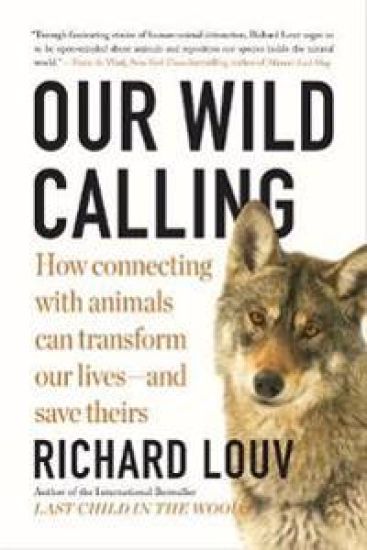
“A book that offers hope.” —The New York Times Book Review “A wondrous tapestry.” —Carl Safina, author of Beyond Words: What Animals Think and Feel Audubon Medal winner Richard Louv’s landmark book Last Child in the Woods inspired an international movement to connect children and nature. Now he redefines the future of human-animal coexistence. In Our Wild Calling, Louv interviews researchers, theologians, wildlife experts, indigenous healers, psychologists, and others to show how people are connecting with animals in ancient and new ways, and how this serves as an antidote to the growing epidemic of human loneliness; how dogs can teach children ethical behavior; how animal-assisted therapy may yet transform the mental health field; and what role the human-animal relationship plays in our spiritual health. He reports on wildlife relocation and on how the growing populations of wild species in urban areas are blurring the lines between domestic and wild animals. Our Wild Calling makes the case for protecting, promoting, and creating a sustainable and shared habitat for all creatures—not out of fear, but out of love.Includes a new interview with the author, discussion questions, and a resource guide.

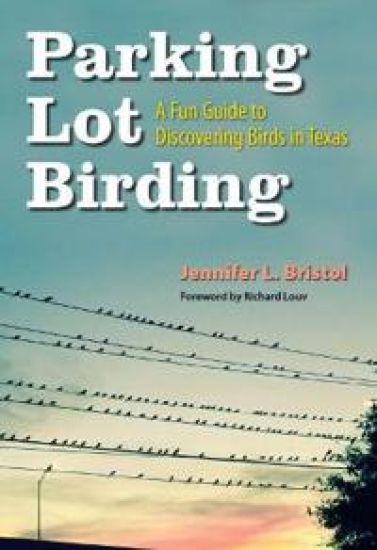
Texas boasts greater bird diversity than almost any state, with more than six hundred species living in or passing through during spring and fall migrations. Jennifer L. Bristol's Parking Lot Birding speaks to people who would love to observe a wide variety of birds in easy access locations that don't require arduous hikes or a degree in ornithology. As she explains, 'I have personally trudged down hundreds of miles of trails in Texas, loaded down with gear, searching for birds, only to return to the parking lot to find what I was looking for.'Drawing on her experience as a former park ranger and lifelong nature enthusiast, Bristol explores ninety birding locations that are open to the public and accessible regardless of ability or mobility. Divided by geography, with each of the nine sections centered on a large urban area or defined ecoregion, Parking Lot Birding: A Fun Guide to Discovering Birds in Texas will take readers to birds in locales from the busy heart of Dallas to the remote Muleshoe Wildlife Refuge in the plains north of Lubbock. Each birding stop includes the name and address of a specific birding location, number of species that have been recorded, and types of birding amenities offered. Locational accounts end with a 'Feather Fact' that provides interesting and relevant details about selected birds in a particular region.You never know what you might see when on the beaten path, especially in a state as big and ecologically diverse as Texas. So grab your binoculars and let's go birding!
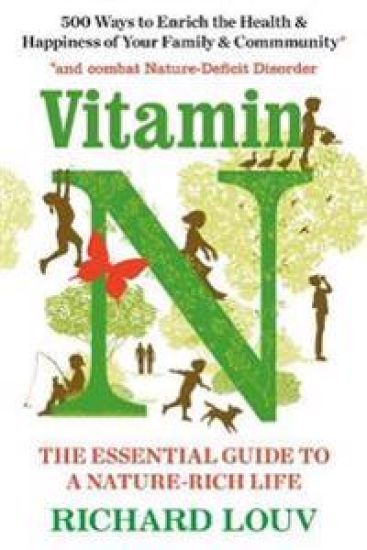
From the bestselling authority on connecting children with nature, a one-of-a-kind guide chock-full of practical ideas, advice and inspiration for creating a nature-rich life - for kids and grown-ups.In his groundbreaking international bestseller Last Child in the Woods, Richard Louv spotlighted the alienation of children from the natural world, coining the term 'nature-deficit disorder'. Vitamin N is the comprehensive practical handbook, a complete prescription for enjoying the natural world.Includes:Five hundred activitiesScores of informational websitesAn abundance of down-to-earth adviceDozens of thought-provoking essays.Unlike other guidebooks, Vitamin N (for 'nature') addresses the whole family and the wider community, encouraging parents eager to share nature with their kids. It is a dose of pure inspiration, reminding us that looking up at the stars or taking a walk in the woods is as joyful as it is essential, at any age.
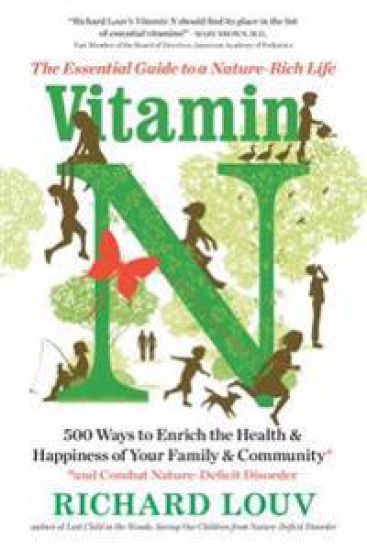
From the author of the "New York Times "bestseller that defined nature-deficit disorder and launched the international children-and-nature movement, "Vitamin N" (for nature ) is a complete prescription for connecting with the power and joy of the natural world right now, with500 activities for children and adultsDozens of inspiring and thought-provoking essaysScores of informational websitesDown-to-earth adviceIn his landmark work "Last Child in the Woods, "Richard Louv was the first to bring widespread attention to the alienation of children from the natural world, coining the term nature-deficit disorder and outlining the benefits of a strong nature connection--from boosting mental acuity and creativity to reducing obesity and depression, from promoting health and wellness to simply having fun. That book rivaled Rachel Carson s "Silent Spring" (the "Cincinnati Enquirer"), was an absolute must-read for parents (the "Boston Globe"), and an inch-thick caution against raising the fully automated child (the "New York Times"). His follow-up book, "The Nature Principle, " addressed the needs of adults and outlined a new nature movement and its potential to improve the lives of all people no matter where they live (McClatchy Newspapers)."Vitamin N" is a one-of-a-kind, comprehensive, and practical guidebook for the whole family and the wider community, including tips not only for parents eager to share nature with their kids but also for those seeking nature-smart schools, medical professionals, and even careers. It is a dose of pure inspiration, reminding us that looking up at the stars or taking a walk in the woods is as exhilarating as it is essential, at any age."
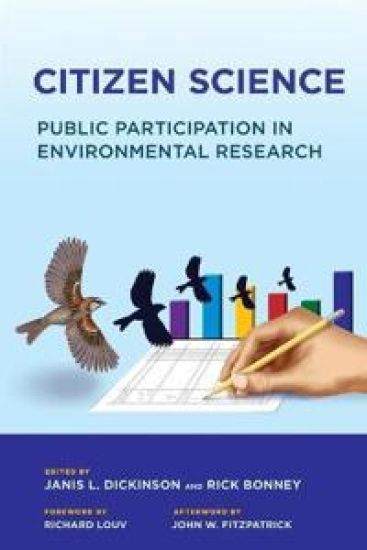
Citizen science enlists members of the public to make and record useful observations, such as counting birds in their backyards, watching for the first budding leaf in spring, or measuring local snowfall. The large numbers of volunteers who participate in projects such as Project FeederWatch or Project BudBurst collect valuable research data, which, when pooled together, create an enormous body of scientific data on a vast geographic scale. In return, such projects aim to increase participants' connections to science, place, and nature, while supporting science literacy and environmental stewardship. In Citizen Science, experts from a variety of disciplines—including scientists and education specialists working at the Cornell Lab of Ornithology, where many large citizen science programs use birds as proxies for biodiversity—share their experiences of creating and implementing successful citizen science projects, primarily those that use massive data sets gathered by citizen scientists to better understand the impact of environmental change. This first and foundational book for this developing field of inquiry addresses basic aspects of how to conduct citizen science projects, including goal-setting, program design, and evaluation, as well as the nuances of creating a robust digital infrastructure and recruiting a large participant base through communications and marketing. An overview of the types of research approaches and techniques demonstrates how to make use of large data sets arising from citizen science projects. A final section focuses on citizen science's impacts and its broad connections to understanding the human dimensions and educational aspects of participation. Citizen Science teaches teams of program developers and researchers how to cross the bridge from success at public engagement to using citizen science data to understand patterns and trends or to test hypotheses about how ecological processes respond to change at large geographic scales. Intended as a resource for a broad audience of experts and practitioners in natural sciences, information science, and social sciences, this book can be used to better understand how to improve existing programs, develop new ones, and make better use of the data resources that have accumulated from citizen science efforts. Its focus on harnessing the impact of "crowdsourcing" for scientific and educational endeavors is applicable to a wide range of fields, especially those that touch on the importance of massive collaboration aimed at understanding and conserving what we can of the natural world.
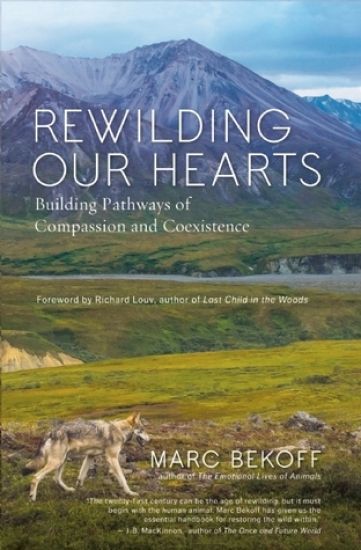
In wildlife conservation, rewilding refers to restoring habitats and creating corridors between preserved lands to allow declining populations to rebound. Marc Bekoff, one of the world s leading animal experts and activists, here applies rewilding to human attitudes. Rewilding Our Hearts invites readers to do the essential work of becoming reenchanted with the world, acting from the inside out, and dissolving false boundaries to truly connect with both nature and themselves."
Education and the Environment
Gerald A. Lieberman; Richard Louv
Harvard Educational Publishing Group
2013
nidottu
In this timely book, curriculum expert Gerald A. Lieberman provides an innovative guide to creating and implementing a new type of environmental education that combines standards-based lessons on English language arts, math, history, and science with community investigations and service learning projects. By connecting academic content with local investigations, environmental study becomes not simply another thing added to the classroom schedule but an engaging, thought-provoking context for learning multiple subjects. The projects outlined in the book further students’ understanding of the way human and natural “systems” interact locally and globally, and provide the next generation with the knowledge necessary for making decisions that will be critical to their future—and ours.
Education and the Environment
Gerald A. Lieberman; Richard Louv
Harvard Educational Publishing Group
2013
sidottu
In this timely book, curriculum expert Gerald A. Lieberman provides an innovative guide to creating and implementing a new type of environmental education that combines standards-based lessons on English language arts, math, history, and science with community investigations and service learning projects. By connecting academic content with local investigations, environmental study becomes not simply another thing added to the classroom schedule but an engaging, thought-provoking context for learning multiple subjects. The projects outlined in the book further students’ understanding of the way human and natural “systems” interact locally and globally, and provide the next generation with the knowledge necessary for making decisions that will be critical to their future—and ours.
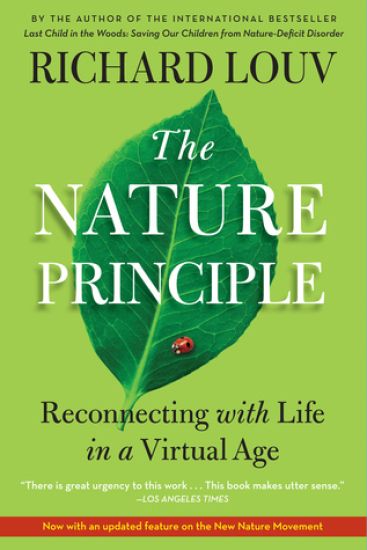
For many of us, thinking about the future conjures up images of Cormac McCarthy’s The Road: a post-apocalyptic dystopia stripped of nature. Richard Louv, author of the landmark bestseller Last Child in the Woods, urges us to change our vision of the future, suggesting that if we reconceive environmentalism and sustainability, they will evolve into a larger movement that will touch every part of society. This New Nature Movement taps into the restorative powers of the natural world to boost mental acuity and creativity; promote health and wellness; build smarter and more sustainable businesses, communities, and economies; and ultimately strengthen human bonds. Supported by groundbreaking research, anecdotal evidence, and compelling personal stories, Louv offers renewed optimism while challenging us to rethink the way we live.Richard Louv's new book, Our Wild Calling, is available now.
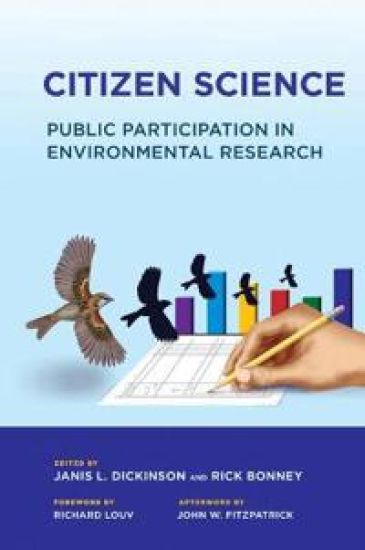
Citizen science enlists members of the public to make and record useful observations, such as counting birds in their backyards, watching for the first budding leaf in spring, or measuring local snowfall. The large numbers of volunteers who participate in projects such as Project FeederWatch or Project BudBurst collect valuable research data, which, when pooled together, create an enormous body of scientific data on a vast geographic scale. In return, such projects aim to increase participants' connections to science, place, and nature, while supporting science literacy and environmental stewardship. In Citizen Science, experts from a variety of disciplines—including scientists and education specialists working at the Cornell Lab of Ornithology, where many large citizen science programs use birds as proxies for biodiversity—share their experiences of creating and implementing successful citizen science projects, primarily those that use massive data sets gathered by citizen scientists to better understand the impact of environmental change. This first and foundational book for this developing field of inquiry addresses basic aspects of how to conduct citizen science projects, including goal-setting, program design, and evaluation, as well as the nuances of creating a robust digital infrastructure and recruiting a large participant base through communications and marketing. An overview of the types of research approaches and techniques demonstrates how to make use of large data sets arising from citizen science projects. A final section focuses on citizen science's impacts and its broad connections to understanding the human dimensions and educational aspects of participation. Citizen Science teaches teams of program developers and researchers how to cross the bridge from success at public engagement to using citizen science data to understand patterns and trends or to test hypotheses about how ecological processes respond to change at large geographic scales. Intended as a resource for a broad audience of experts and practitioners in natural sciences, information science, and social sciences, this book can be used to better understand how to improve existing programs, develop new ones, and make better use of the data resources that have accumulated from citizen science efforts. Its focus on harnessing the impact of "crowdsourcing" for scientific and educational endeavors is applicable to a wide range of fields, especially those that touch on the importance of massive collaboration aimed at understanding and conserving what we can of the natural world.
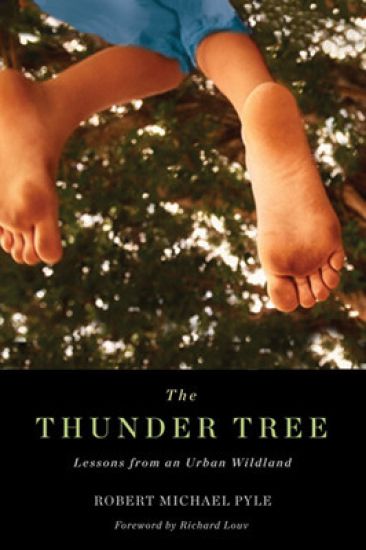
An engrossing memoir and eloquent portrait of place, The Thunder Tree shows how powerful the relationship between people and the natural world can be.“When people connect with nature, it happens somewhere,” Pyle writes. “My own point of intimate contact with the land was a ditch… Without a doubt, most of the elements of my life flowed from that canal.” The High Line Canal, originally built outside of Denver, Colorado, as part of a plan to move river water to the Western plains for irrigation, became the author’s place of sanctuary and play, and his birthplace as a naturalist.This reprint of the classic book, updated with a new foreword by Richard Louv and a preface to this edition, makes one of Pyle’s important early works once again available. For a new generation of readers, it offers a powerful argument for preserving opportunities for exploring nature.
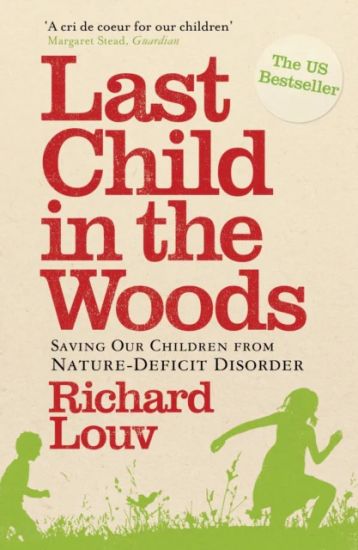
Camping in the garden, riding bikes through the woods, climbing trees, collecting bugs, picking wildflowers, running through piles of autumn leaves... These are the things childhood memories are made of. But for a whole generation of today's children the pleasures of a free-range childhood are missing, and their indoor habits contribute to epidemic obesity, attention-deficit disorder, isolation and childhood depression.This timely book shows how our children have become increasingly alienated and distanced from nature, why this matters and how we can make a difference. Last Child in the Woods is a clarion call, brilliantly written, compelling and irresistibly persuasive - a book that will change minds and lives.
Last Child in the Woods: Saving Our Children from Nature-Deficit Disorder
Richard Louv
Algonquin Books
2008
nidottu
The Book That Launched an International Movement Fans of The Anxious Generation will adore Last Child in the Woods, Richard Louv's groundbreaking New York Times bestseller. "An absolute must-read for parents." --The Boston Globe "It rivals Rachel Carson's Silent Spring." --The Cincinnati Enquirer "I like to play indoors better 'cause that's where all the electrical outlets are," reports a fourth grader. But it's not only computers, television, and video games that are keeping kids inside. It's also their parents' fears of traffic, strangers, Lyme disease, and West Nile virus; their schools' emphasis on more and more homework; their structured schedules; and their lack of access to natural areas. Local governments, neighborhood associations, and even organizations devoted to the outdoors are placing legal and regulatory constraints on many wild spaces, sometimes making natural play a crime. As children's connections to nature diminish and the social, psychological, and spiritual implications become apparent, new research shows that nature can offer powerful therapy for such maladies as depression, obesity, and attention deficit disorder. Environment-based education dramatically improves standardized test scores and grade-point averages and develops skills in problem solving, critical thinking, and decision making. Anecdotal evidence strongly suggests that childhood experiences in nature stimulate creativity. In Last Child in the Woods, Louv talks with parents, children, teachers, scientists, religious leaders, child-development researchers, and environmentalists who recognize the threat and offer solutions. Louv shows us an alternative future, one in which parents help their kids experience the natural world more deeply--and find the joy of family connectedness in the process. Included in this edition: A Field Guide with 100 Practical Actions We Can Take Discussion Points for Book Groups, Classrooms, and Communities Additional Notes by the Author New and Updated Research from the U.S. and Abroad
For three years, journalist Richard Louv listened to America by going fishing with Americans. Doing what many of us dream of, he traveled from the Atlantic to the Pacific, from trout waters east and west to bass waters north and south. Fly-Fishing for Sharks is the result of his journey, a portrait of America on the water, fishing rod in hand. To explore the cultures of fishing, Louv joined a bass tournament on Lake Erie and got a casting lesson from fly-fishing legend Joan Wulff He angled with corporate executives in Montana and fly-fished for sharks in California. He spent time with fishing-boat captains in Florida, the regulars who fish New York City's Hudson River, and a river witch in Colorado. He teamed secrets of fishing and living from steelheaders in the Northwest, Bass'n Gals in Texas, and an ice-fisher in the North Woods. Along the way, he heard from one of Hemingway's sons what it was like to fish with Papa and from Robert Kennedy, Jr., how fishing changed his fife. As he describes the eccentricities, obsessions, and tribulations of dedicated anglers, he also uncovers the values that unite them. He reveals the healing qualities of fishing, how it binds the generations, how the angling business has grown, and how the future of fishing is threatened. But most of all, Fly-Fishing for Sharks is about the unforgettable characters Louv meets on the water and the stories they tell. From them, Louv learns about our changing relationship with nature, about a hidden America -- and about himself.