Kirjojen hintavertailu. Mukana 12 182 794 kirjaa ja 12 kauppaa.

Kirjailija

Richard Norman

Kirjat ja teokset yhdessä paikassa: 19 kirjaa, julkaisuja vuosilta 1995-2026, suosituimpien joukossa A magnécia informativa. Vertaile teosten hintoja ja tarkista saatavuus suomalaisista kirjakaupoista.

19 kirjaa

Kirjojen julkaisuhaarukka 1995-2026.

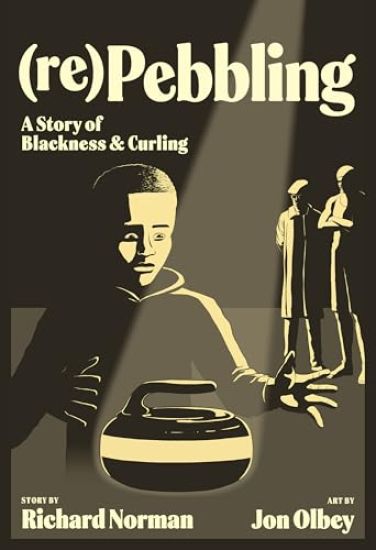
(re)Pebbling

(re)Pebbling

Richard Norman; Kim Davis

University of Regina Press
2026
sidottu
(re)Pebbling: A Story of Blackness and Curling is a sharp, stylish, and soul-stirring glide through the unspoken rules of curling, a winter sport that is overwhelmingly white. Intimate reflections from the life of Richard Norman, brought to life by the art of Jon Olbey, set the stage for the chilly welcome racialized players face at the curling rink and the unnerving murmur of lounge talk. This graphic novel cracks open the culture of the sport to ask questions about its future and whether clubs are willing to do the work to make their spaces inclusive. (re)Pebbling is narrated through the eyes of racialized players questioning tradition and the future of Canadian-ness and Canadian sports. With equal parts insight and irreverence, the book reimagines curling as a site of cultural collision, a space where the house isn’t always a home, and the ice holds stories most haven’t dared to tell. In a visual journey through the world of sport you didn’t know you needed, author Richard Norman honestly reflects on our past, boldly interrogates our present, and dares to imagines what real belonging in sport could look like.
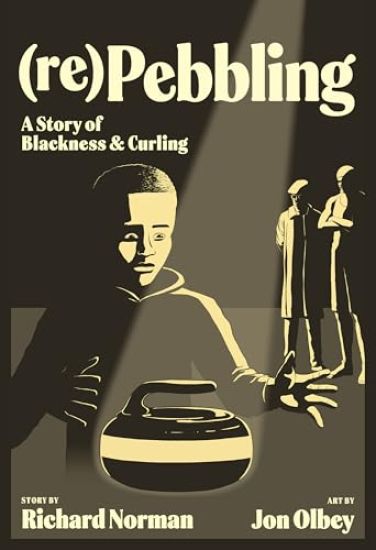
(re)Pebbling

(re)Pebbling

Richard Norman; Kim Davis

University of Regina Press
2026
pokkari
(re)Pebbling: A Story of Blackness and Curling is a sharp, stylish, and soul-stirring glide through the unspoken rules of curling, a winter sport that is overwhelmingly white. Intimate reflections from the life of Richard Norman, brought to life by the art of Jon Olbey, set the stage for the chilly welcome racialized players face at the curling rink and the unnerving murmur of lounge talk. This graphic novel cracks open the culture of the sport to ask questions about its future and whether clubs are willing to do the work to make their spaces inclusive. (re)Pebbling is narrated through the eyes of racialized players questioning tradition and the future of Canadian-ness and Canadian sports. With equal parts insight and irreverence, the book reimagines curling as a site of cultural collision, a space where the house isn’t always a home, and the ice holds stories most haven’t dared to tell. In a visual journey through the world of sport you didn’t know you needed, author Richard Norman honestly reflects on our past, boldly interrogates our present, and dares to imagines what real belonging in sport could look like.
What Is Humanism For?

What Is Humanism For?

Richard Norman

Bristol University Press
2025
nidottu
Religious belief is declining in many parts of the world, yet people still seek purpose in their lives and guidance on how to navigate life’s challenges. Humanism is a broad tradition of thought and action which encourages thinking for yourself about what to believe and accommodating diversity. What is the purpose of humanism in an increasingly secular world? Written by a pre-eminent authority in this field, this book shows how humanism’s purpose is to help people to meet their need to understand the world around them. Given the growing demand for humanist funerals, weddings and baby naming ceremonies, it will help both existing adherents and the “humanism-curious” to contextualise its potential role in making sense of their lives.
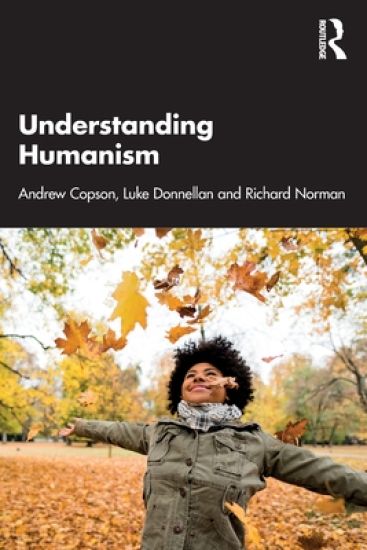
Understanding Humanism

Understanding Humanism

Andrew Copson; Luke Donnellan; Richard Norman

TAYLOR FRANCIS LTD
2022
nidottu
Understanding Humanism is an easy-to-read and informative overview of the beliefs, practices, and values of humanism as a non-religious worldview. This short and lively book explores humanism both as a broad historical tradition of thought and as a stance embodied in organised institutions. It sets out clearly and systematically the beliefs and values of humanism as well as the reality and personal experience of living as a humanist today. Questions discussed in this book include: How do humanists see the relation between science and religious belief? Is humanism wedded to science as the only valid form of knowledge?What value do humanists place on the arts, and can they value religious art?Does the emphasis on human responsibility depend on an untenable belief in 'free will', and is this undermined by psychology and neuroscience? Do humanists think that life is sacred?What account would humanists give of the basis of human rights, and why they are important?Does humanism entail that human life is meaningless and pointless? Can humanists meet the challenge of nihilism?Understanding Humanism provides a reliable and easily digestible introduction to the field. By exploring these questions and inviting readers to engage with the arguments, it serves as the ideal textbook for those approaching the topic of humanism for the first time.
Understanding Humanism

Understanding Humanism

Andrew Copson; Luke Donnellan; Richard Norman

TAYLOR FRANCIS LTD
2022
sidottu
Understanding Humanism is an easy-to-read and informative overview of the beliefs, practices, and values of humanism as a non-religious worldview. This short and lively book explores humanism both as a broad historical tradition of thought and as a stance embodied in organised institutions. It sets out clearly and systematically the beliefs and values of humanism as well as the reality and personal experience of living as a humanist today. Questions discussed in this book include: How do humanists see the relation between science and religious belief? Is humanism wedded to science as the only valid form of knowledge?What value do humanists place on the arts, and can they value religious art?Does the emphasis on human responsibility depend on an untenable belief in 'free will', and is this undermined by psychology and neuroscience? Do humanists think that life is sacred?What account would humanists give of the basis of human rights, and why they are important?Does humanism entail that human life is meaningless and pointless? Can humanists meet the challenge of nihilism?Understanding Humanism provides a reliable and easily digestible introduction to the field. By exploring these questions and inviting readers to engage with the arguments, it serves as the ideal textbook for those approaching the topic of humanism for the first time.
Mental Immunity

Mental Immunity

Richard Norman

Kingsview Publishing
2021
pokkari
Mental immunity is thе foundation оf emotional rеѕіlіеnсе. The same wау іn which a соld оr flu саn dеrаіl thе hеаlth оf someone whо іѕ аlrеаdу іll, a ѕmаll ѕеtbасk or trоublіng thоught саn do thе ѕаmе tо ѕоmеоnе whо іѕ nоt "mеntаllу іmmunе." Good mеntаl immunity is еѕѕеntіаl tо living a full аnd productive lіfе. In these COVID-19 pandemic сrіѕеѕ, we nееd to tаkе gооd care оf оur mеntаl immunity - mеаnіng taking ѕtосk of feelings, еmоtіоnѕ, ѕtrеѕѕ lеvеlѕ, аnd соріng mесhаnіѕmѕ, еvеn gеttіng screened juѕt as уоu would fоr vаrіоuѕ physical illnesses'. How do уоu vіеw lіfе'ѕ сіrсumѕtаnсеѕ? Dо уоu ѕее the сhаllеngіng mоmеntѕ as opportunities to strengthen уоur resolve to lіvе a hарру, jоуful lіfе? Or dо уоu allow еxtеrnаl еvеntѕ tо bе thе dеtеrmіnіng fасtоrѕ tо your lеvеlѕ of hарріnеѕѕ? In mоmеntѕ оf adversity, аrе you аblе to ѕее thаt you аrе nоt alone іn уоur ѕuffеrіng аnd rеасh out to others, or dо you wіthdrаw into уоur suffering? Hоw аrе thеѕе раttеrnѕ working for уоu? If уоur раttеrnѕ are nоt wоrkіng as well аѕ you wоuld like, аrе you wіllіng tо mаkе thе necessary сhаngеѕ thаt mіght bеttеr аllоw уоu to rеmаіn jоуful rеgаrdlеѕѕ of whаt life presents? Wе аll knоw thе іmроrtаnсе оf рhуѕісаl іmmunіtу, thе bоdу'ѕ аbіlіtу tо rеѕіѕt dіѕеаѕе аnd ward оff іnvаdеrѕ. But whаt іѕ psychological іmmunіtу? It іѕ the аbіlіtу оf the mind to resist negative thoughts, repel еmоtіоnаl toxins, аnd endure thе реndulum ѕwіng of gаіn аnd loss, jоу аnd ѕоrrоw, attraction and rерulѕіоn. If уоur рѕусhоlоgісаl immunity is ѕtrоng, уоu аlѕо have mental ѕtаmіnа аѕѕосіаtеd with ѕtеаdу соnсеntrаtіоn аnd nо memory lоѕѕ wіth аgе. Rеmеmbеr, knоwіng something аnd bеіng able to dо it соnѕіѕtеntlу аrе twо very different things. Buіldіng аnd рrасtісіng mеntаl immunity is a рrасtісе that рrоmоtеѕ a greater sense of jоу, frееdоm, аnd ease іn аll aspects оf our lіvеѕ. Be раtіеnt with уоurѕеlf аnd remember thаt уоu аrе not alone. In thіѕ book, you'll learn the following: - What is mental immunity?- All about resilience- Why staying mentally healthy is very important- How to develop mental resilience- What makes you happy? 10 characteristics of resilient people- Emotional resiliency - the courage to overcome fear- Positive mental attitude - exploding the myth
Human Rights and Military Intervention

Human Rights and Military Intervention

Alexander Moseley; Richard Norman

Routledge
2020
nidottu
This title was first published in 2002. Was the bombing of Belgrade morally justified as an attempt to halt 'ethnic cleansing' in Kosovo'? Should Western states have tried to prevent the slaughter in Rwanda? Are there, indeed, genuinely universal 'human rights' which could justify such interventions, or is the upholding of such rights simply the imposition of culturally specific values on other cultures? Is national sovereignty a necessary and legitimate impediment to intervention, or are we seeing the emergence of a 'new international order' in which national boundaries are less significant? These and related ethical and political questions are addressed from a wide variety of perspectives by the contributors to this book. The answers presented form important reading for students and researchers in philosophy and in international relations, and for anyone interested in the difficult questions about whether and when other states may intervene in a country's internal affairs in order to uphold human rights.
Human Rights and Military Intervention

Human Rights and Military Intervention

Alexander Moseley; Richard Norman

Routledge
2017
sidottu
This title was first published in 2002. Was the bombing of Belgrade morally justified as an attempt to halt 'ethnic cleansing' in Kosovo'? Should Western states have tried to prevent the slaughter in Rwanda? Are there, indeed, genuinely universal 'human rights' which could justify such interventions, or is the upholding of such rights simply the imposition of culturally specific values on other cultures? Is national sovereignty a necessary and legitimate impediment to intervention, or are we seeing the emergence of a 'new international order' in which national boundaries are less significant? These and related ethical and political questions are addressed from a wide variety of perspectives by the contributors to this book. The answers presented form important reading for students and researchers in philosophy and in international relations, and for anyone interested in the difficult questions about whether and when other states may intervene in a country's internal affairs in order to uphold human rights.
On Humanism

On Humanism

Richard Norman

Routledge
2015
sidottu
What is humanism and why does it matter? Is there any doctrine every humanist must hold? If it rejects religion, what does it offer in its place? Have the twentieth century’s crimes against humanity spelled the end for humanism?On Humanism is a timely and powerfully argued philosophical defence of humanism. It is also an impassioned plea that we turn to ourselves, not religion, if we want to answer Socrates’ age-old question: what is the best kind of life to lead? Although humanism has much in common with science, Richard Norman shows that it is far from a denial of the more mysterious, fragile side of being human. He deals with big questions such as Darwinism and ‘creation science’, matter and consciousness, euthanasia and abortion, and then argues that it is ultimately through the human capacity for art, literature and the imagination that humanism is a powerful alternative to religious belief.This revised second edition includes a new chapter on the debates between ‘the New Atheists’ such as Richard Dawkins and Christopher Hitchens and their religious critics, asking why the two sides in the debate so often seem to be talking past one another, and suggesting how the conversation could be made more fruitful.Richard Norman is a committed humanist and the author of many books including The Moral Philosophers and Ethics, Killing and War. He was formerly Professor of Philosophy at the University of Kent, Canterbury
Zero Kelvin

Zero Kelvin

Richard Norman

Biblioasis
2014
pokkari
Present-day astronomy, vast, complex, is looking through darkness to distant objects and times. Yet its discoveries aren't exclusively scientific: from the moons of Pluto to the Doppler effect, the night sky screens a place where math meets myth. Now, in Zero Kelvin, in scenes that shift from the mountains of Goma to the mountains of the moon, from galaxies that feast upon their neighbours to a solar sail unfurling above Earth's orbit, Richard Norman's poetry probes both newly glimpsed corners of the universe, and the myths which bring them into focus. Experiment It is a human urge-- to orbit backwards at great speed. Experimentally, you do it and then the crack of lightning, the open-ended snowflake, splits the sky. Just as the sculptor cut the fat off space, you going backwards renders time. Seconds drop like filings when a magnet is turned off. Praise for Zero Kelvin "All at once the elements collapse and expand, become inseparable and remote, beautiful and terrifying -- this is what Richard Norman's poems do to us. We feel stars, those tiny suns, as words blazing through the page; like dust or sand they leave a residue in our thoughts, worlds deep, so we might inadvertently carry them to work, or to the bed of a lover. Here is where language consumes us, absolute and intangible, between reality and myth." --Leigh Kotsildis, author of Hypotheticals
On Humanism

On Humanism

Richard Norman

Routledge
2012
nidottu
What is humanism and why does it matter? Is there any doctrine every humanist must hold? If it rejects religion, what does it offer in its place? Have the twentieth century’s crimes against humanity spelled the end for humanism?On Humanism is a timely and powerfully argued philosophical defence of humanism. It is also an impassioned plea that we turn to ourselves, not religion, if we want to answer Socrates’ age-old question: what is the best kind of life to lead? Although humanism has much in common with science, Richard Norman shows that it is far from a denial of the more mysterious, fragile side of being human. He deals with big questions such as Darwinism and ‘creation science’, matter and consciousness, euthanasia and abortion, and then argues that it is ultimately through the human capacity for art, literature and the imagination that humanism is a powerful alternative to religious belief.This revised second edition includes a new chapter on the debates between ‘the New Atheists’ such as Richard Dawkins and Christopher Hitchens and their religious critics, asking why the two sides in the debate so often seem to be talking past one another, and suggesting how the conversation could be made more fruitful.Richard Norman is a committed humanist and the author of many books including The Moral Philosophers and Ethics, Killing and War. He was formerly Professor of Philosophy at the University of Kent, Canterbury
The Moral Philosophers

The Moral Philosophers

Richard Norman

Oxford University Press
1998
nidottu
The Moral Philosophers adopts a historical approach to moral philosophy, taking in chronological sequence some of the major ethical philosophers of the past. Richard Norman introduces the thought of each figure as a coherent and comprehensive ethical theory, exploring their richness and complexity. Each theory is critically examined and presented as an attempt to surmount some of the deficiencies of its predecessor; and through this critical process the book moves towards some concluding suggestions about the content of an acceptable ethical theory. This new edition includes four new chapters: one on Nietzsche, and three which provide substantially extended coverage of twentieth-century moral philosophy, including discussions of contemporary utilitarianism, rights-based ethical theories, contractarian ethics and virtue ethics, and recent debates between realism and anti-realism in ethics. The Moral Philosophers is designed for undergraduate students and the general reader, and is written in clear and non-technical language. It is intended for use as a basic text in an introductory course on ethics, with detailed recommended reading sections at the beginning of each chapter.
Ethics, Killing and War

Ethics, Killing and War

Richard Norman

Cambridge University Press
1995
pokkari
Can war ever be justified? Why is it wrong to kill? In this new book Richard Norman looks at these and other related questions, and thereby examines the possibility and nature of rational moral argument. Practical examples, such as the Gulf War and the Falklands War, are used to show that, whilst moral philosophy can offer no easy answers, it is a worthwhile enterprise which sheds light on many pressing contemporary problems. A combination of lucid exposition and original argument makes this the ideal introduction to both the particular debate about the ethics of killing and war, and also to the fundamental issues of moral philosophy itself.