Kirjailija
Richard Osborne
Kirjat ja teokset yhdessä paikassa: 27 kirjaa, julkaisuja vuosilta 1996-2022, suosituimpien joukossa The United State of Imagine Nations: It's "The Norm". Vertaile teosten hintoja ja tarkista saatavuus suomalaisista kirjakaupoista.
27 kirjaa
Kirjojen julkaisuhaarukka 1996-2022.
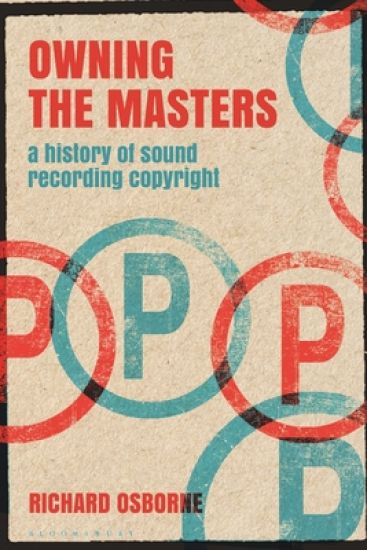
Owning the Masters provides the first in-depth history of sound recording copyright. It is this form of intellectual property that underpins the workings of the recording industry. Rather than being focused on the manufacture of goods, this industry is centred on the creation, exploitation and protection of rights. The development and control of these rights has not been straightforward. This book explores the lobbying activities of record companies: the principal creators, owners and defenders of sound recording copyright. It addresses the counter-activity of recording artists, in particular those who have fought against the legislative and contractual practices of record companies to claim these master rights for themselves. In addition, this book looks at the activities of the listening public, large numbers of whom have been labelled ‘pirates’ for trespassing on these rights. The public has played its own part in shaping copyright legislation. This is an essential subject for an understanding of the economic, artistic and political value of recorded sound.
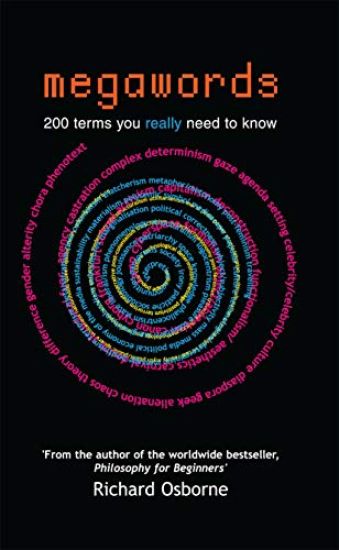
Do you know your animus from your anomie? Puzzled by all that jargon at university? Now there's no need to be.'Richard Osborne has done something very special here. He takes us on an exciting journey into the knowledge required to exist, survive, thrive, in the new millennium, in an interconnected global space that includes cyberpunk and cyborg, chaos theory and conspiracy theories, the postcolonial and the diaspora, hybridity and whiteness, the postmodern and the post-feminist, the digital and the Net, as much as older yet still influential terms like Enlightenment, empiricism, positivism, aesthetics, agency, nationhood, citizenship. Osborne writes with wit, wisdom, and insight, always wary of any approach becoming an orthodoxy. He shows how particular concepts arise at particular times with particular authors and intellectual personalities. The entries proceed by illuminating examples, engaging anecdotes, subtle cross-referencing, wide historical contexts.'John Docker, author of Postmodernism and Popular Culture: A Cultural HistoryWritten by the author of the international bestseller Philosophy for Beginners, Megawords provides definitions for the key terms every student in the humanities and social sciences needs to know.
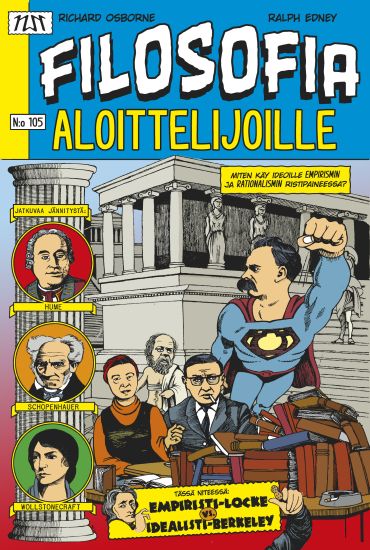
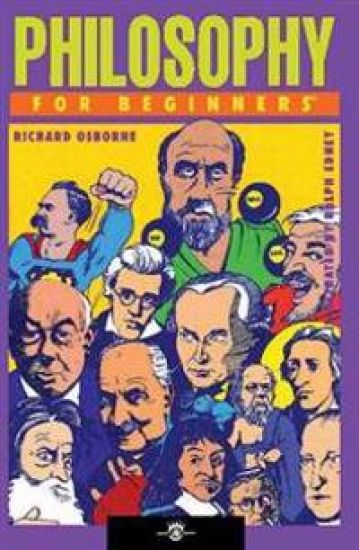
Englanninkielisessä maailmassa vuodesta 1974 julkaistu For Beginners -sarja on ollut käsite jo pitkään. Kirjasarja on levittänyt historiaa, kulttuuria ja ympäristöä koskevaa yleissivistystä korkealaatuisina sarjakuvina, joiden lukijat ovat saaneet huomata, etteivät heidän pelottavan hankalina pitämänsä aiheet niin vaikeatajuisia olekaan.Nyt suomeksi saadaan sarjan filosofiaa käsittelevä nide. Richard Osbornen kirjoittama ja Ralph Edneyn kuvittama Filosofia aloittelijoille kertoo filosofian historiasta kaiken olennaisen komiikkaa kaihtamatta ja täsmällisyydestä tinkimättä. Vakavikkojen valtakunnaksi luultu filosofia muuttuu harvinaisen hymyilyttäväksi harrasteeksi.
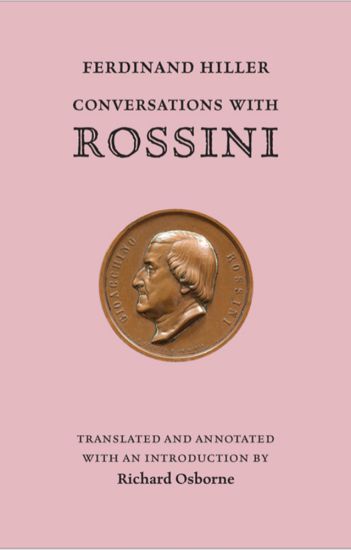
The conversations the 63-year-old Rossini had with Ferdinand Hiller in Trouville in Normandy in September 1855, and the finely drafted impression of Rossini himself with which Hiller prefaces the conversations, will be of exceptional interest to all music lovers. No other single source offers so vivid a sense of Rossini the man and the musician, not to mention the many composers, performers, and people of influence he knew and met. This is the first complete publication of the conversations in English.
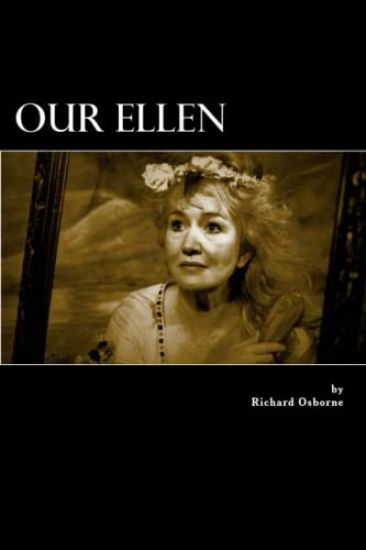
Stage play about the life of legendary Victorian actress Ellen Terry.
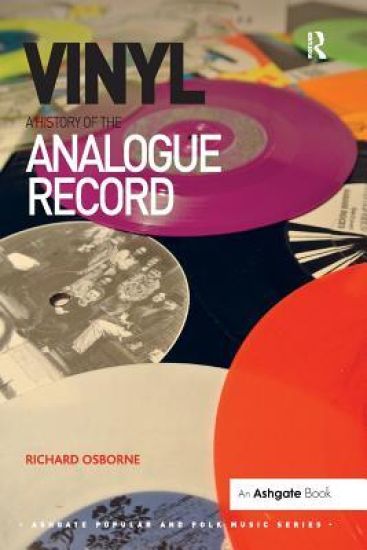
Vinyl: A History of the Analogue Record is the first in-depth study of the vinyl record. Richard Osborne traces the evolution of the recording format from its roots in the first sound recording experiments to its survival in the world of digital technologies. This book addresses the record's relationship with music: the analogue record was shaped by, and helped to shape, the music of the twentieth century. It also looks at the cult of vinyl records. Why are users so passionate about this format? Why has it become the subject of artworks and advertisements? Why are vinyl records still being produced? This book explores its subject using a distinctive approach: the author takes the vinyl record apart and historicizes its construction. Each chapter explores a different element: the groove, the disc shape, the label, vinyl itself, the album, the single, the b-side and the 12" single, and the sleeve. By anatomizing vinyl in this manner, the author shines new light on its impact and appeal.
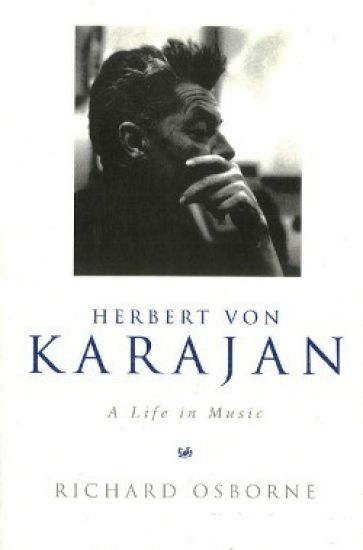
Herbert von Karajan was one of the twentieth century's most prodigiously gifted performing artists. These, however, were only the starting point for a biography which draws on interviews with those who worked with Karajan during his sixty year career, and on a vast array of primary archive material which has never been previously examined.
How To Be Positive: Manifesting Your Dreams and Discovering Your True Self
Richard Osborne
Createspace Independent Publishing Platform
2013
nidottu
Vinyl: A History of the Analogue Record is the first in-depth study of the vinyl record. Richard Osborne traces the evolution of the recording format from its roots in the first sound recording experiments to its survival in the world of digital technologies. This book addresses the record's relationship with music: the analogue record was shaped by, and helped to shape, the music of the twentieth century. It also looks at the cult of vinyl records. Why are users so passionate about this format? Why has it become the subject of artworks and advertisements? Why are vinyl records still being produced? This book explores its subject using a distinctive approach: the author takes the vinyl record apart and historicizes its construction. Each chapter explores a different element: the groove, the disc shape, the label, vinyl itself, the album, the single, the b-side and the 12" single, and the sleeve. By anatomizing vinyl in this manner, the author shines new light on its impact and appeal.
The Mail Must Go Through: A Story of the Pony Express
Alan James; Richard Osborne
Literary Licensing, LLC
2012
nidottu
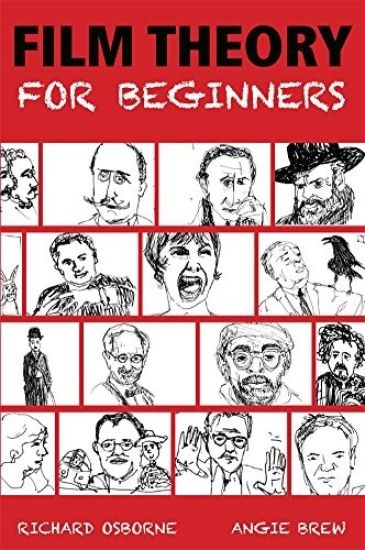
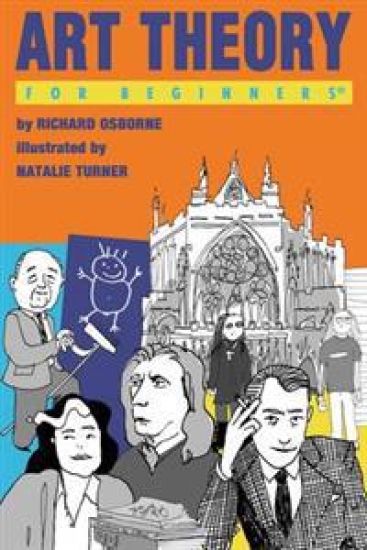
From Paleolithic cave-painting to postmodernism, "Art Theory For Beginners/i> is a concise and entertaining survey of the major historical and current debates on art. Painters, theorists and philosophers are all included to show how the idea of art has developed over the last 5,000 years.Art is a visual representation of a range of concepts, stories and emotions, including curiosity, humanity, political statements, and the Self. "Art Theory for Beginners" examines and explains the development of the different ways in which people study, interpret and appreciate art in its rich variety of forms."Art Theory For Beginners" is a clear and entertaining introduction to the complex questions that stem from the simple idea of 'art'.
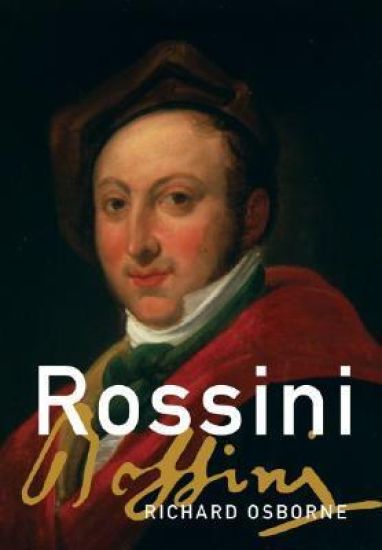
Gioachino Rossini was one of the most influential, as well as one of the most industrious and emotionally complex of the great nineteenth-century composers. Between 1810 and 1829, he wrote 39 operas, a body of work, comic and serious, which transformed Italian opera and radically altered the course of opera in France. His retirement from operatic composition in 1829, at the age of 37, was widely assumed to be the act of a talented but lazy man. In reality, political events and a series of debilitating illnesses were the determining factors. After drafting the Stabat Mater in 1832, Rossini wrote no music of consequence for the best part of twenty-five years, before the clouds lifted and he began composing again in Paris in the late 1850s. During this glorious Indian summer of his career, he wrote 150 songs and solo piano pieces his 'Sins of Old Age' and his final masterpiece, the Petite Messe solennelle. The image of Rossini as a gifted but feckless amateur-the witty, high-spirited bon vivant who dashed off The Barber of Seville in a mere thirteen days-persisted down the years, until the centenary of his death in 1968 inaugurated a process of re-evaluation by scholars, performers, and writers. The original 1985 edition of Richard Osborne's pioneering and widely acclaimed Rossini redefined the life and provided detailed analyses of the complete Rossini oeuvre. Twenty years on, all Rossini's operas have been staged and recorded, a Critical Edition of his works is well advanced, and a scholarly edition of his correspondence, including 250 previously unknown letters from Rossini to his parents, is in progress. Drawing on these past two decades of scholarship and performance, this new edition of Rossini provides the most detailed portrait we have yet had of one of the worlds best-loved and most enigmatic composers.
Why does philosophy give some people a headache, others a real buzz, and yet others a feeling that it is subversive and dangerous? Why do a lot of people think philosophy is totally irrelevant? What is philosophy anyway?The ABCs of philosophy - easy to understand but never simplistic.Beginning with basic questions posed by the ancient Greeks - What is the world made of? What is a man? What is knowledge? What is good and evil? - Philosophy For Beginners traces the development of these questions as the key to understanding how Western philosophy developed over the last 2,500 years.