Kirjailija
Ridgwell Cullum
Kirjat ja teokset yhdessä paikassa: 191 kirjaa, julkaisuja vuosilta 2007-2026, suosituimpien joukossa The Forfeit. Vertaile teosten hintoja ja tarkista saatavuus suomalaisista kirjakaupoista.
191 kirjaa
Kirjojen julkaisuhaarukka 2007-2026.



The law-breakers is a novel set on the Canadian prairie during a time marked by widespread smuggling and the fragile authority of law enforcement. The story focuses on a determined officer whose pursuit of justice unfolds amid rising tensions between lawmen and outlaws. The opening scene captures a sweltering afternoon on a remote train platform, where a freight car rumored to be transporting illicit cargo is expected. The officer s interactions with a local railway agent reveal both the practical difficulties of patrolling the area and the dry wit with which residents respond to constant uncertainty. As the narrative develops, the plot introduces plans for a bold heist, underscoring the constant danger and strategic cunning on both sides of the law. The novel explores the emotional and moral weight of duty, the blurred lines between legality and necessity, and the harsh demands of survival in an untamed region. Through suspenseful encounters and rugged landscape descriptions, the novel delves into the conflict between order and chaos, making the terrain itself a participant in the unfolding struggle.
The way of the strong Part I presents a stark examination of endurance, longing, and personal reckoning in the icy reaches of the Yukon. The story enhances the emotional terrain of characters caught between isolation and desire, each driven by an internal force greater than the wilderness surrounding them. The opening layers the physical desolation of snowbound landscapes with the internal struggles of those trying to outlast not just the cold, but the burdens of choice, loss, and unfulfilled needs. Through conflicting visions of escape and ambition, the narrative draws sharp contrasts between resilience and resignation, between those who fight to build and those who dream only of leaving. The passage of time is marked not by events, but by the weight of silence, bitter weather, and strained human connection. Decisions are shaped as much by emotional exhaustion as by external threats. The way of the strong becomes a meditation on the unseen costs of survival, where strength lies not in force, but in how one lives through yearning, compromise, and isolation.
The way of the strong Part II presents a stark examination of endurance, longing, and personal reckoning in the icy reaches of the Yukon. The story enhances the emotional terrain of characters caught between isolation and desire, each driven by an internal force greater than the wilderness surrounding them. The opening layers the physical desolation of snowbound landscapes with the internal struggles of those trying to outlast not just the cold, but the burdens of choice, loss, and unfulfilled needs. Through conflicting visions of escape and ambition, the narrative draws sharp contrasts between resilience and resignation, between those who fight to build and those who dream only of leaving. The passage of time is marked not by events, but by the weight of silence, bitter weather, and strained human connection. Decisions are shaped as much by emotional exhaustion as by external threats. The way of the strong becomes a meditation on the unseen costs of survival, where strength lies not in force, but in how one lives through yearning, compromise, and isolation.
The way of the strong Part III presents a stark examination of endurance, longing, and personal reckoning in the icy reaches of the Yukon. The story enhances the emotional terrain of characters caught between isolation and desire, each driven by an internal force greater than the wilderness surrounding them. The opening layers the physical desolation of snowbound landscapes with the internal struggles of those trying to outlast not just the cold, but the burdens of choice, loss, and unfulfilled needs. Through conflicting visions of escape and ambition, the narrative draws sharp contrasts between resilience and resignation, between those who fight to build and those who dream only of leaving. The passage of time is marked not by events, but by the weight of silence, bitter weather, and strained human connection. Decisions are shaped as much by emotional exhaustion as by external threats. The way of the strong becomes a meditation on the unseen costs of survival, where strength lies not in force, but in how one lives through yearning, compromise, and isolation.

In the brooding wild opens within a remote and unforgiving wilderness, where the struggle against nature shapes every aspect of life. Two isolated trappers navigate solitude, bitter cold, and a world governed by instinct and endurance. As a storm bears down, their routine is disrupted by a distant cry, signaling a shift in their hardened existence. This moment draws them into the mystery of a tale that lingers beyond mere survival. The land they inhabit is rich in legend and spiritual presence, particularly through whispered accounts of an elusive figure said to dwell in the wild. As the story progresses, the men are pulled between the tangible difficulties of their harsh environment and the pull of the unknown, where stories and emotions stir hidden desires. Between human vulnerability and the silent majesty of nature, tension arises not from conflict alone but from uncertainty, longing, and the weight of the past. Their choices begin to blur the line between practical resilience and the pursuit of something more elusive and intangible.
The wolf pack captures the raw intensity of survival and emotional conflict within the unforgiving expanse of the Canadian wilderness. Through the daily trials of a woman torn between the refuge of nature and the noise of civilization, the story enhances the inner tension between personal duty and unresolved grief. As lives intersect following unexpected tragedy, instinct and care become central forces shaping new, uneasy bonds. The wild landscape mirrors the characters emotional terrain, where love exists in fragments sometimes tender, sometimes guarded by fear or jealousy. Relationships unfold with quiet urgency, often shaped more by action than words. Authority, responsibility, and the fragile role of caretaking are examined through layered human connection in a space where law and structure dissolve. The story intensifies as characters navigate danger not just from the physical world, but from the fragility of trust and the memory of loss. The wolf pack does not simply describe survival in nature, but reveals how survival reshapes the way people connect and find meaning in one another.
The heart of Unaga Part I reveals the burden of isolation, duty, and fractured companionship across a forbidding northern wilderness. Within its opening chapters, the novel enhances a stark contrast between physical endurance and emotional uncertainty. A restless journey into dangerous terrain evokes more than survival it reflects an internal conflict where distance from home exposes unresolved strain. Tension simmers through unspoken sacrifices, particularly in the quiet grief of domestic separation and the toll it exacts on emotional connection. While external challenges demand resolve, the narrative deepens by examining the quiet discontent of life shared under duress, where affection meets fatigue and routine displaces intimacy. Cultural differences, though handled subtly, hint at uneasy alliances that both support and complicate the central figure s mission. The heart of Unaga therefore moves beyond adventure, embedding its momentum in the cost of personal choice, the ache of misunderstood love, and the question of whether strength in duty can redeem what is quietly slipping away in solitude and cold. Underneath the snow and silence lies a story shaped by inner storms.

The riddle of three-way creek explores loyalty and justice amid the harsh and unforgiving Canadian wilderness. It centers on a man sentenced to prison for defending a family member and the lawman assigned to escort him. The opening scene introduces a frozen trail in a remote valley where the two riders navigate the cold terrain, revealing tensions between duty and personal loyalty. When the escort suffers an accident, the prisoner seizes a risky chance to escape, setting in motion a chain of events that challenge notions of right and wrong. The novel delves into the complexities of human compassion, moral dilemmas, and survival in an unforgiving environment. The cold, snow-covered landscape mirrors the harsh realities the characters face as their choices have profound consequences. This beginning establishes a tense and gripping atmosphere, inviting readers into a story where justice and loyalty are tested against the demands of a brutal wilderness.
The man in the twilight reflects on resilience, moral conflict, and personal redemption against a remote industrial backdrop. Set during the early development of a wood-pulp mill in Labrador, the novel centers on an individual burdened by a powerful past. With an old enemy resurfacing, he must navigate threats that test his will and ideals. The narrative contrasts philosophical introspection with the harsh demands of survival and ambition. It traces the dynamic between loyalty and vengeance as danger emerges from a shadowy past, forcing hard decisions in the face of disruption. The emotional core lies in the inner turmoil of a man reconciling the life he has built with the ghost of former actions. Friendship, betrayal, and integrity intertwine within the larger question of whether a man can truly escape the consequences of a previous identity. The novel steadily builds a psychological landscape shaped by memory, fear, and purpose, underscoring the tension between who we once were and what we choose to become.
The twins of Suffering Creek examines emotional resilience and human dignity amid economic hardship and fractured relationships in a remote mining settlement. Within this rugged environment, the story enhances the contrast between external struggle and inner resolve, where emotional wounds are shaped by both material scarcity and strained domestic bonds. A quiet portrait of endurance emerges, as personal sacrifice and disappointment underscore the silent negotiations of loyalty and self-worth. The tension between survival and affection threads through the characters actions, revealing the cost of misplaced trust and the unspoken toll of unmet expectations. The novel navigates how isolation sharpens discontent and how the pursuit of security can distort judgment. Through understated conflict and internal yearning, the twins of Suffering Creek reflects on the complications of devotion in a world where external hardship magnifies emotional fault lines. It becomes a study in the human tendency to idealize escape while neglecting the quieter truths of endurance, responsibility, and emotional clarity amid social and financial strain.
The heart of Unaga Part II reveals the burden of isolation, duty, and fractured companionship across a forbidding northern wilderness. Within its opening chapters, the novel enhances a stark contrast between physical endurance and emotional uncertainty. A restless journey into dangerous terrain evokes more than survival it reflects an internal conflict where distance from home exposes unresolved strain. Tension simmers through unspoken sacrifices, particularly in the quiet grief of domestic separation and the toll it exacts on emotional connection. While external challenges demand resolve, the narrative deepens by examining the quiet discontent of life shared under duress, where affection meets fatigue and routine displaces intimacy. Cultural differences, though handled subtly, hint at uneasy alliances that both support and complicate the central figure s mission. The heart of Unaga therefore moves beyond adventure, embedding its momentum in the cost of personal choice, the ache of misunderstood love, and the question of whether strength in duty can redeem what is quietly slipping away in solitude and cold. Underneath the snow and silence lies a story shaped by inner storms.

The luck of the kid explores survival, ambition, and generational tension against the vast northern Canadian wilderness. The story centers on a father and son bound by a shared pursuit of elusive gold and strained by resentment that underlies their relationship. As they push forward through a punishing landscape filled with physical and emotional challenges, the weight of past failures and unfulfilled dreams intensifies their journey. Their internal conflicts echo the rugged terrain around them, underscoring how isolation sharpens both resolve and doubt. The narrative draws out the fragile balance between desperation and hope as they attempt to outwit rivals and endure unforeseen threats. A looming presence of violence and uncertainty hangs over their mission, adding psychological depth to their already fraught dynamic. The wilderness becomes more than setting it becomes a test of endurance, loyalty, and personal truth. Within the silence and heat of the sub-Arctic summer, a quiet reckoning begins to unfold, forcing each man to face what they value most.
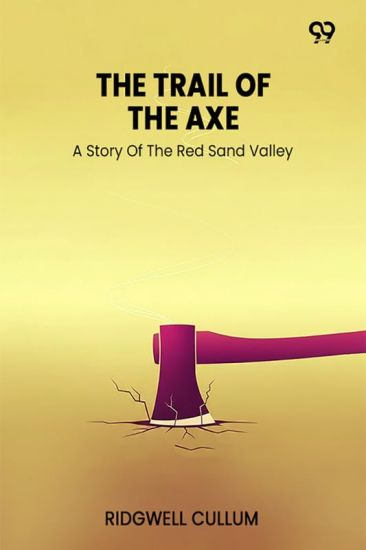
The Trail Of The AxeA Story Of The Red Sand Valley (Edition1)
Ridgwell Cullum
Double 9 Books LLP
2025
nidottu
The trail of the axe: A story of Red Sand Valley explores the moral strain between personal ambition and social responsibility in an unforgiving frontier landscape. The narrative delves into the challenges of self-reliance, the burden of integrity, and the unspoken codes that govern small communities shaped by labor and legacy. As tensions rise within a close-knit valley, the story highlights the quiet struggles between public perception and private identity. The harsh rhythm of daily survival becomes the backdrop against which choices carry significant weight, not only for the individual but for those whose lives are bound by duty, expectation, and unfulfilled commitments. The story gradually reveals the emotional toll of deferred desires, the courage demanded by ethical convictions, and the impact of longstanding loyalties strained by disillusionment and disappointment. The contrast between physical strength and moral resolve underscores the question of what it means to succeed in a world that values endurance but often overlooks empathy. The trail of the axe: A story of Red Sand Valley becomes a meditation on perseverance, judgment, and the personal cost of principle.