Kirjojen hintavertailu. Mukana 12 530 820 kirjaa ja 12 kauppaa.
Kirjailija
Robert A. G. Monks
Kirjat ja teokset yhdessä paikassa: 6 kirjaa, julkaisuja vuosilta 1996-2022, suosituimpien joukossa Corpocracy. Vertaile teosten hintoja ja tarkista saatavuus suomalaisista kirjakaupoista.
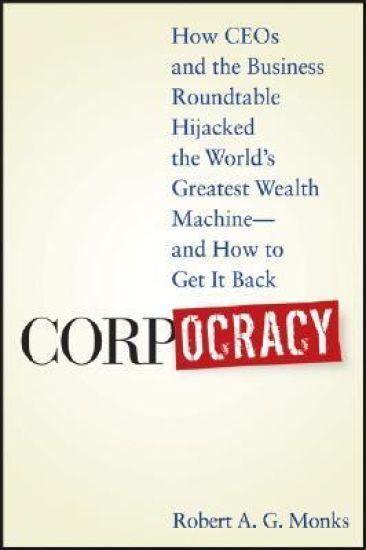
Shareholder control over large corporations is worryingly weak and the unrestrained hunt for profits is taking a toll on the environment and society. In Corpocracy, corporate lawyer, venture capitalist, and shareholder activist Robert Monks reveals how corporations abuse their power and what we the people must do to rein them in. In a clear and careful analysis, Monks outlines a plan for reconciling the competing interests of corporations and society through thoughtful shareholder activism.
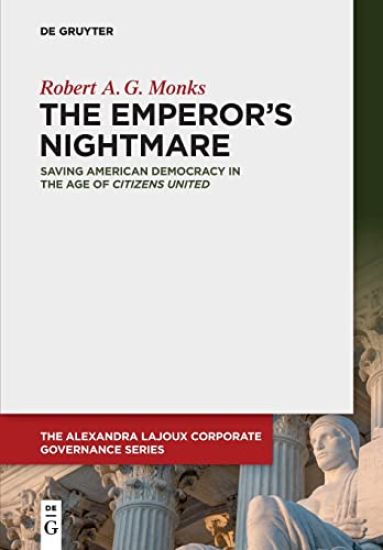
From angry shareholders to concerned chief executives, almost everyone knows at a gut level that the present political system is not working. This book finds the root cause to be poor corporate governance. In the prequel to this book, The Emperor’s Nightingale, Robert A. G. Monks, one of the world’s foremost shareholder activists, had warned corporations against putting short-profit ahead of long-term value for all stakeholders. Few listened – and the result was system-wide trauma that only bold solutions can heal. In The Emperor’s Nightmare, his latest book, Monks reveals what can happen when corporate leadership abandons the common good to court and conquer a powerful elite. This insightful, honest, and direct portrayal of corporate governance and the surrounding political system will be of immense value to those interested in corporate governance – particularly shareholder and stakeholder advocates, and the true corporate leaders who serve them. In the end, better corporate governance means better democracy. This book shows the way.
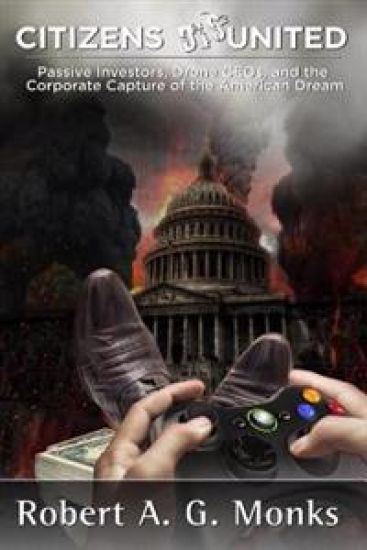
Democratic capitalism-the source of America's vast wealth, the foundation of our entire economic system-is threatened as never before, not from without but from within. Shareholders today no longer own, except in the narrowest legal sense, the corporations they have invested in. Emboldened by the Supreme Court and enabled by a compliant Congress and compromised regulators, America's CEOs have staged a corporate coup d' tat. They, not the titular owners of the businesses, decide where and how company resources will be deployed, what laws will be evaded in the pursuit of short-term gain, what offshore havens profits will be stashed in to avoid taxation, and critically, how lavishly the CEOs themselves will be compensated. Far too much of American business is being run for the personal enrichment and glorification of its manager-kings. This book shows how that happened and unveils, for the first time, a new study showing that corporations "un-owned" by their shareholders-corporate "drones"-are far worse corporate citizens and have significantly lower average shareholder returns than firms in which owners still exercise authority over management. Manager-kings, it turns out, are bad both for society and for business itself.
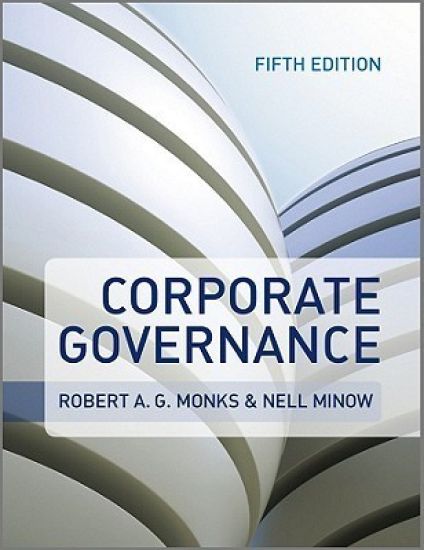
In the wake of the recent global financial collapse the timely new edition of this successful text provides students and business professionals with a welcome update of the key issues facing managers, boards of directors, investors, and shareholders. In addition to its authoritative overview of the history, the myth and the reality of corporate governance, this new edition has been updated to include: analysis of the financial crisis;the reasons for the global scale of the recessionthe failure of international risk managementAn overview of corporate governance guidelines and codes of practice;new cases. Once again in the new edition of their textbook, Robert A. G. Monks and Nell Minow show clearly the role of corporate governance in making sure the right questions are asked and the necessary checks and balances in place to protect the long-term, sustainable value of the enterprise. Features 18 case studies of institutions and corporations in crisis, and analyses the reasons for their fall (Cases include Lehman Brothers, General Motors, American Express, Time Warner, IBM and Premier Oil.)
A detailed guide to the discipline of corporate valuation Designed for the professional investor who is building an investment portfolio that includes equity, Corporate Valuation for Portfolio Investment takes you through a range of approaches, including those primarily based on assets, earnings, cash flow, and securities prices, as well as hybrid techniques. Along the way, it discusses the importance of qualitative measures such as governance, which go well beyond generally accepted accounting principles and international financial reporting standards, and addresses a variety of special situations in the life cycle of businesses, including initial public offerings and bankruptcies. Engaging and informative, Corporate Valuation for Portfolio Investment also contains formulas, checklists, and models that the authors, or other experts, have found useful in making equity investments. Presents more than a dozen hybrid approaches to valuation, explaining their relevance to different types of investors Charts stock market trends, both verbally and visually, enabling investors to think like traders when needed Offers valuation guidance based on less quantitative factors, namely management quality and factors relating to the company and the economy Corporate Valuation for Portfolio Investment puts this dynamic discipline in perspective and presents proven ways to determine the value of corporate equity securities for the purpose of portfolio investment.
Argues that the sole purpose of corporations is to produce the maximum wealth, and discusses the roles of shareholders, including pension funds, directors, and management in the process