Kirjojen hintavertailu. Mukana 12 595 353 kirjaa ja 12 kauppaa.
Kirjailija
Robert D Cornwall
Kirjat ja teokset yhdessä paikassa: 21 kirjaa, julkaisuja vuosilta 2009-2025, suosituimpien joukossa Called to Bless. Vertaile teosten hintoja ja tarkista saatavuus suomalaisista kirjakaupoista.
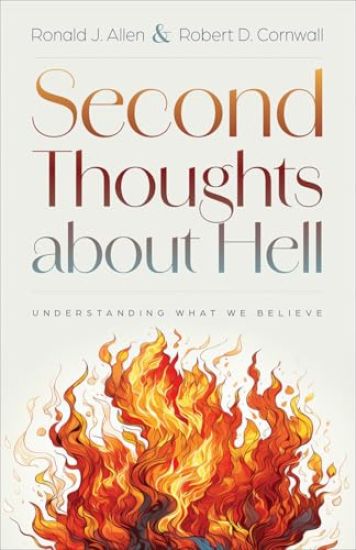
As Christians, what should we believe about hell? Instead of offering a prescriptive, one-size-fits-all answer, Ronald Allen and Robert Cornwall guide the reader through the historical interpretation of hell. They begin with the voices of the Hebrew Bible, extrabiblical, and New Testament texts and the voices of the early, medieval, Reformation, and modern church, pointing out the three main Christian views today—literalism (hell exists, and those there will suffer for eternity), annihilationism (the punishment of hell is limited and leads to the extinction of the sufferer), and universalism (everyone is saved, so hell does not exist). They include multiple contemporary theological positions on hell, such as those of liberation theologians and process theologians. The book also takes an ecumenical and interfaith approach to the topic by describing Catholic, Orthodox, Jewish, and Muslim perspectives on hell. Through describing and explaining these different points of view, Allen and Cornwall allow the reader to decide what view(s) of hell make the most theological and ethical sense to them, and they conclude by offering their personal thoughts on hell. The book includes a study guide and glossary, making it an excellent resource for group study. An online resource designed for pastors who want to design topical and lectionary-based sermon series on hell is available for download.
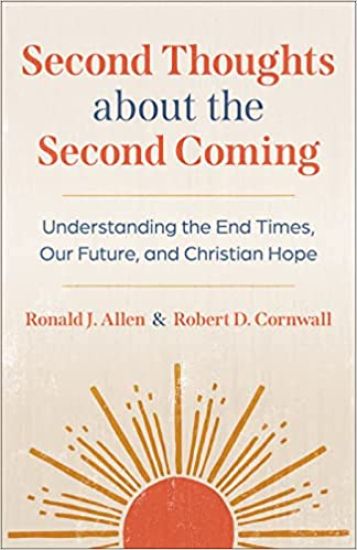
Various ideas float around about the subject of last things, leading many Christians to conclude that they don’t know what to think about the subject. Yet at the core of the Christian doctrine of last things lies two simple and complementary hopes: that God ever and always offers hope for our individual futures and for the future of the whole world.In this helpful book, Allen and Cornwall explain how we don’t have to subscribe to sensationalist theories or sketchy interpretations to believe in Christian hope. They walk the reader through the central biblical teachings on last things and then show the ways the church has interpreted those teachings throughout the centuries. In a respectful way, the authors demonstrate that end-time beliefs centered on the Rapture came into existence only recently, and they then offer several more life-affirming, contemporary interpretations as alternatives.The book includes a study guide and web-based appendixes designed to help pastors develop both topical and lectionary-based sermon series on Christian hope.
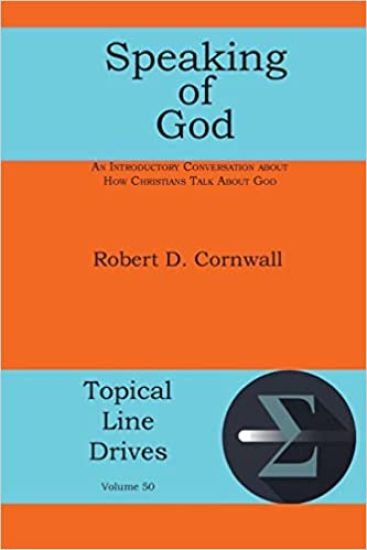
Theology is a complex subject, with many subdisciplines, and is know for thick volumes with dense prose. This book bucks that trend, but hitting the basics briefly, but carefully.In this 50th volume of the Topical Line Drives series, theologian and church historian Dr. Robert D. Cornwall provides a clear introduction to the basics. His approach is not to give you a set of beliefs about God, but rather to provide you with an introductory foundation to the way Christians talk about God. Key concepts, such as omnipotence, impassibility, transcendence, immanence, and yes, love, along with many others. The content is brief, but carefully designed as a launching pad for further study.Read this book in order to make all your other theological reading more profitable. It will keep you from missing out because some of the basic were passed over, or were obscured by extensive discussion.Besides individual reading, this volume is useful as an introductory reading in theology courses or for small groups in churches who would like to better understand their other curricula and more profitably discuss their ideas about God.
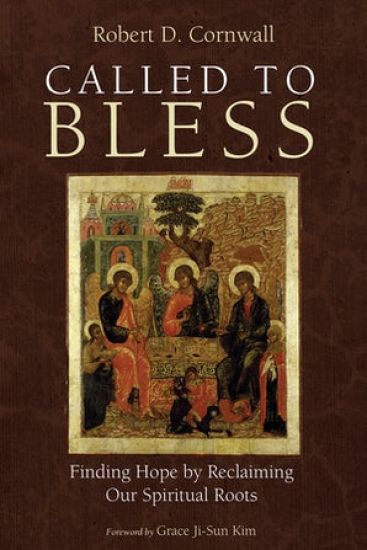
What does your spiritual DNA look like? In terms of your spiritual identity, where do you come from and where are you going? We live in an age when many Christians have experienced several denominational and religious communities. Many wonder what to do with these experiences. At the same time many congregations are made up of people who come from different traditions, and the question is how to bring these diverse experiences into the life of the congregation in an enriching way. If we take as our starting point, the call of Abraham and Sarah to take a journey to an unknown land with the promise that their descendants would be a blessing to the nations, what might this look like in terms of our spiritual lives? Join with the author as he draws on his spiritual journey that has taken him into several denominational traditions, as well as his experiences as a pastor and historical theologian, to discern values and concepts that can help congregations and individuals make sense of their diverse spiritual experiences, so that together we might fulfill the Abrahamic calling, reaffirmed in Christ, to be a blessing to the nations.
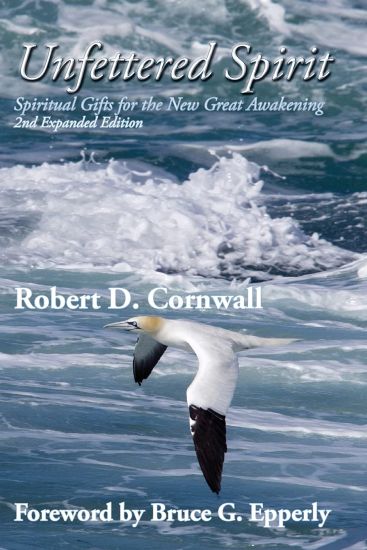
2nd Expanded EditionAll too frequently studies of the gifts of the Spirit consist largely of answering two questions: "What are the gifts?" and "Which ones do I have?" In many cases studies go on to a third question: "How can I get more?"In response, institutional churches and theologically and intellectually respectable Christians often tend to avoid the work of the Holy Spirit in the church entirely. It's much easier to simply close the doors and windows than it is to deal with the wind (John 3:8). After all, they've seen the wind blow out the candles, disarrange the altar vestments, and send a chill through the congregants.Author, pastor, and church historian Bob Cornwall has experienced all of this for himself. He has seen traditional churches and worship. He has seen Pentecostal worship. He has led congregations in difficult times. For more than 30 years, he has studied, practiced, prayed, and lived the work of the Holy Spirit in the church. The result is Unfettered Spirit: Spiritual Gifts for the New Great Awakening. Here he avoids both the errors of replacing the freedom of the Spirit with human whim and of trying to tame or confine the Spirit that will not be fettered. He asks: "Do you truly believe that God is present in the world? And, do you believe that God is working through us to break down the walls that divide us from God, from each other, and from the world? And if you do, do you believe that you have been gifted and empowered to participate in this ministry that takes down the walls of egoism, suspicion, greed, self-interest, and hatred?"If you can say "yes" to these questions, jump right in. This is the book for you.If you are hesitant, or if the idea of the Holy Spirit working unfettered in your congregation and community frightens you, read the first four chapters carefully as Bob lays the theological foundation. You may find your "maybe" or even your "no" turned into a "yes."Building on this foundation, Bob continues with five chapters on the gifts of the Spirit as described in Scripture. These are practical discussions that will let you keep your bearings in discussions of the Spirit and, more importantly, in a community where the Spirit is active.Finally, he concludes with a discussion of how to lead and pastor a church where the gifts of the Spirit are active. Whether you are a Pentecostal, an evangelical, a mainliner, a progressive, or any other label you might find for yourself or your church, you will profit from reading this book.
The doctrine of the trinity is probably the most complex and mysterious topic in Christian theology, yet it impacts our understanding of many other doctrines.Pastor/Theologian Robert D. Cornwall brings his knowledge of church history to the task of examining this doctrine, looking at how it developed and what justifies its presence in Christian theology. He uses the history of his own Disciples of Christ tradition as one of the expressions of the Stone-Campbell movement, which avoids creeds very effectively in examining how we distinguish between the statements and events of scripture and our theological reflections on them.Can a doctrine not mentioned in scripture be of value? Are creeds necessary or even useful? Cornwall threads a careful course between the value of the creeds, and within them the doctrine of the trinity, in defining our ecumenical relationships and task on the one and, and on the other the danger of having creeds as a test of fellowship and faith. While rooted in his own denomination's traditions, this is very valuable to other denominations and movements as we examine what defines us while at the same time seeking freedom in non-essentials.This book is especially strong in examining the history of the development of this doctrine and connecting this to our ongoing reflection on scripture and what our tradition and experience provides.This short volume is valuable to all those who seek to understand the trinity not just as an element in a doctrinal system, but as it aids us in thinking about elements of our faith.