
Kirjailija
Robert Gerwarth
Kirjat ja teokset yhdessä paikassa: 11 kirjaa, julkaisuja vuosilta 2005-2020, suosituimpien joukossa Reinhard Heydrich. Vertaile teosten hintoja ja tarkista saatavuus suomalaisista kirjakaupoista.
11 kirjaa
Kirjojen julkaisuhaarukka 2005-2020.
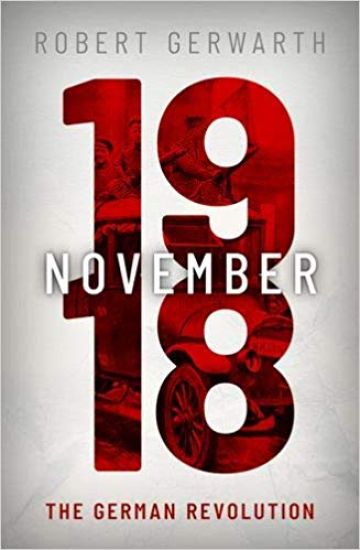
The German Revolution of November 1918 is nowadays largely forgotten outside Germany. It is generally regarded as a failure even by those who have heard of it, a missed opportunity which paved the way for the rise of the Nazis and the catastrophe to come. Robert Gerwarth argues here that to view the German Revolution in this way is a serious misjudgement. Not only did it bring down the authoritarian monarchy of the Hohenzollern, it also brought into being the first ever German democracy in an amazingly bloodless way. Focusing on the dramatic events between the last months of the First World War in 1918 and Hitler's Munich Putsch of 1923, Robert Gerwarth illuminates the fundamental and deep-seated ways in which the November Revolution changed Germany. In doing so, he reminds us that, while it is easy with the benefit of hindsight to write off the 1918 Revolution as a 'failure', this failure was not somehow pre-ordained. In 1918, the fate of the German Revolution remained very much an open book.
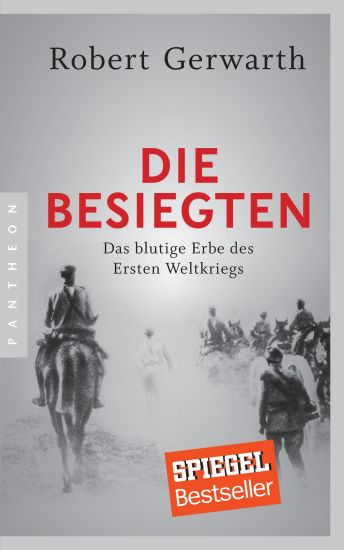
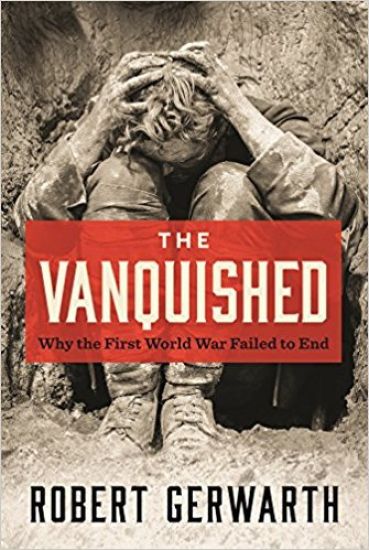
The Vanquished: Why the First World War Failed to End
Robert Gerwarth
Farrar, Straus and Giroux
2017
nidottu
Winner of the Tomlinson Book PrizeA Times Literary Supplement Best Book of 2016An epic, groundbreaking account of the ethnic and state violence that followed the end of World War I--conflicts that would shape the course of the twentieth century. For the Western Allies, November 11, 1918, has always been a solemn date--the end of fighting that had destroyed a generation, but also a vindication of a terrible sacrifice with the total collapse of the principal enemies: the German Empire, Austria-Hungary, and the Ottoman Empire. But for much of the rest of Europe this was a day with no meaning, as a continuing, nightmarish series of conflicts engulfed country after country. In The Vanquished, a highly original and gripping work of history, Robert Gerwarth asks us to think again about the true legacy of the First World War. In large part it was not the fighting on the Western Front that proved so ruinous to Europe's future, but the devastating aftermath, as countries on both sides of the original conflict were savaged by revolutions, pogroms, mass expulsions, and further major military clashes. In the years immediately after the armistice, millions would die across central, eastern, and southeastern Europe before the Soviet Union and a series of rickety and exhausted small new states would come into being. It was here, in the ruins of Europe, that extreme ideologies such as fascism would take shape and ultimately emerge triumphant. As absorbing in its drama as it is unsettling in its analysis, The Vanquished is destined to transform our understanding of not just the First World War but the twentieth century as a whole.
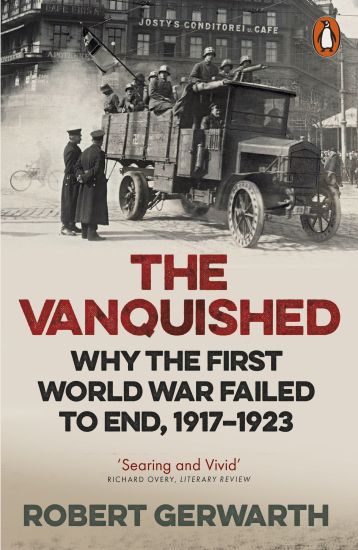
'A breathtaking, magisterial panorama, telling the epic story of post-war anarchy, dying empires and rising nation states. It makes us rethink our understanding of Europe's twentieth century' David Motadel, The Times Literary SupplementFor the Western allies 11 November 1918 has always been a solemn date - the end of fighting which had destroyed a generation, and also a vindication of a terrible sacrifice with the total collapse of their principal enemies: the German Empire, Austria-Hungary and the Ottoman Empire. But for much of the rest of Europe this was a day with no meaning, as a continuing, nightmarish series of conflicts engulfed country after country. In this highly original, gripping book Robert Gerwarth asks us to think again about the true legacy of the First World War. 'Lucid, incisive and packed with fascinating details' Financial Times, Books of the Year 'Important and timely ... obliges us to reconsider a period and a battlefront that has too often been neglected' Margaret MacMillan, The New York Times Review of Books'This narrative of continent-wide chaos performs a valuable service by chronicling the postwar turmoil of Europe ... helps us understand why few wars reach tidy conclusions' Max Hastings, Sunday Times 'Reminds us, in vivid and often shocking detail, that only some countries saw killing end on the 11th day of the 11th month ... leaves a sense of foreboding for our own time' Robert Tombs, The Times

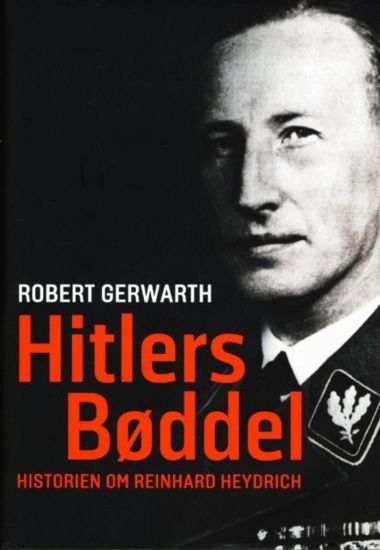
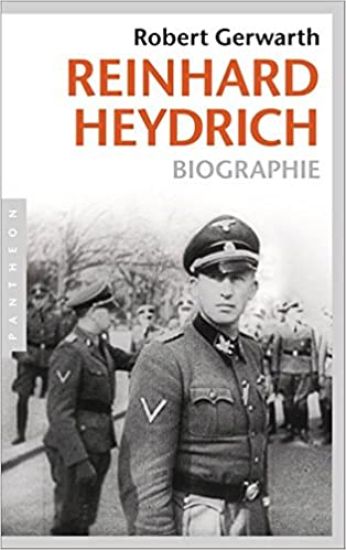
Adolf Hitler valgte Reinhard Heydrich da han ville finne «den endelige løsning på jødespørsmålet». Med pinlig nøyaktighet planla Heydrich konsentrasjonsleirene og nazistenes massemord på jødene - Holocaust. De kalte ham «det blonde udyret» og «slakteren fra Praha». I denne spennende biografien forteller historieprofessor Robert Gerwarth ved Centre for War Studies ved University College Dublin for første gang hele historien om Reinhard Heydrich. Som en av de farligste menn i Det tredje rike hadde Heydrich kommandoen over sikkerhetstjenesten i SS, Gestapo og nazikriminalpolitiet. Han var Hitlers bøddel. Den kjente forfatteren Simon Sebag Montefiore skrev om denne boken i BBC History Magazine: - HITLERS BØDDEL er den fremragende, endelige og hjerteskjærende forferdelige biografien om den frastøtende hjernen bak Holocaust.
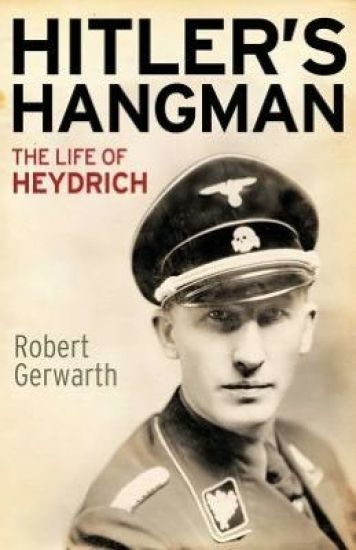
A chilling biography of the head of Nazi Germany’s terror apparatus, Reinhard Heydrich—a key player in the Third Reich whose full story has never before been told“Gerwarth dispassionately examines Heydrich’s rise and assassination, which resulted in a horrific series of Nazi reprisals in Czechoslovakia. The best account of Heydrich.”—Jacob Heilbrunn, The Daily Beast “Meticulously takes us inside the Third Reich, . . . revealing as few texts do how the bureaucracy of evil worked.”—Kirkus Reviews Reinhard Heydrich is widely recognized as one of the great iconic villains of the twentieth century, an appalling figure even within the context of the Nazi leadership. Chief of the Nazi Criminal Police, the SS Security Service, and the Gestapo, ruthless overlord of Nazi-occupied Bohemia and Moravia, and leading planner of the "Final Solution," Heydrich played a central role in Hitler's Germany. He shouldered a major share of responsibility for some of the worst Nazi atrocities, and up to his assassination in Prague in 1942, he was widely seen as one of the most dangerous men in Nazi Germany. Yet Heydrich has received remarkably modest attention in the extensive literature of the Third Reich.Robert Gerwarth weaves together little-known stories of Heydrich's private life with his deeds as head of the Nazi Reich Security Main Office. Fully exploring Heydrich's progression from a privileged middle-class youth to a rapacious mass murderer, Gerwarth sheds new light on the complexity of Heydrich's adult character, his motivations, the incremental steps that led to unimaginable atrocities, and the consequences of his murderous efforts toward re-creating the entire ethnic makeup of Europe.
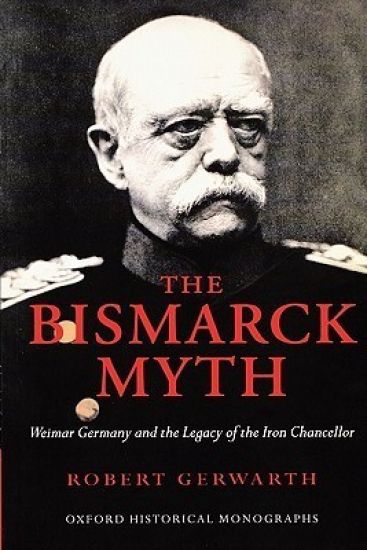
Few statesmen in history have inspired the imagination of generations of Germans more than the founder of the Kaiserreich, Otto von Bismarck. The archetype of charismatic leadership, the Iron Chancellor maintained his pre-eminent position in the pantheon of Germany's political iconography for much of the twentieth century. Based on a large selection of primary sources, this book provides an insightful analysis of the Bismarck myth's profound impact on Germany's political culture. In particular, it investigates the ways in which that myth was used to undermine parliamentary democracy in Germany after the Great War, paving the way for its replacement by authoritarian rule under an allegedly 'Bismarckian' charismatic leader, Adolf Hitler. As one of the most powerful weapons of nationalist agitation against the Weimar Republic, the Bismarck myth was never contested. The nationalists' ideologically charged interpretation of Bismarck as the father of the German nation-state and model for future political decision-making clashed with rivalling - and thoroughly critical - democratic and communist perceptions of the Iron Chancellor. The quarrel over Bismarck's legacy demonstrates how the clash of ideologies, particularly between 1918 and 1933, resulted in a highly political fight for the 'correct' and universal interpretation of the German past. Essential reading for anyone interested in modern German history, this book sheds new light on the Weimar Republic's struggle for survival and the reasons for its failure.
Few statesmen in history have inspired the imagination of generations of Germans more than the founder of the Kaiserreich, Otto von Bismarck. The archetype of charismatic leadership, the Iron Chancellor maintained his pre-eminent position in the pantheon of Germany's political iconography for much of the twentieth century. Based on a large selection of primary sources, this book provides an insightful analysis of the Bismarck myth's profound impact on Germany's political culture. In particular, it investigates the ways in which that myth was used to undermine parliamentary democracy in Germany after the Great War, paving the way for its replacement by authoritarian rule under an allegedly 'Bismarckian' charismatic leader, Adolf Hitler. As one of the most powerful weapons of nationalist agitation against the Weimar Republic, the Bismarck myth was never contested. The nationalists' ideologically charged interpretation of Bismarck as the father of the German nation-state and model for future political decision-making clashed with rivalling - and thoroughly critical - democratic and communist perceptions of the Iron Chancellor. The quarrel over Bismarck's legacy demonstrates how the clash of ideologies, particularly between 1918 and 1933, resulted in a highly political fight for the 'correct' and universal interpretation of the German past. Essential reading for anyone interested in modern German history, this book sheds new light on the Weimar Republic's struggle for survival and the reasons for its failure.