
Kirjailija
Robert Graves
Kirjat ja teokset yhdessä paikassa: 114 kirjaa, julkaisuja vuosilta 1958-2026, suosituimpien joukossa I, Claudius. Vertaile teosten hintoja ja tarkista saatavuus suomalaisista kirjakaupoista.
114 kirjaa
Kirjojen julkaisuhaarukka 1958-2026.



The Horrors of Fox Hollow Farm
Richard Estep; Robert Graves
Llewellyn Publications,U.S.
2019
nidottu
Fox Hollow Farm, the infamous Indiana property where Herb Baumeister allegedly murdered at least eleven men, has a grim past and an unsettling present. This riveting book pieces together the story of the tragic case and explores the paranormal encounters that continue to this day, delving into the psyche of a suspected murderer and the terrifying supernatural activity that lingers in the aftermath of such unspeakable evil. The Horrors of Fox Hollow Farm provides detailed insights from the original criminal investigation as well as testimony from key witnesses, including the man who survived Herb s attempt on his life. This chilling book also features actual supernatural evidence, from EVPs and psychic confirmations to first-hand accounts of the disembodied hands and voices that regularly manifest on the estate.


For centuries, the ancient world was electrified by the story of the ten-year war that brought down the ancient city of Troy and destroyed the lives of countless Greek and Trojan warriors. In the modern world, according to Robert Graves, "English literature, to be properly understood, calls for as close a knowledge of the Trojan War as of the Bible." Here are ambition, greed, cruelty, suffering, madness, treachery, jealousy, pride, and foolishness in abundance, a tale of woe that brings the ancient world into a modern context. The ancient city of Troy was sacked sometime early in the twelfth century BC; The Iliad and The Odyssey were composed some four or five centuries later. But there were many other accounts besides Homer's, and Graves uses them all. His writing style is sleek, action- driven, and to the point. A great story like this deserves a great story-teller, and gets all that and more in Robert Graves.
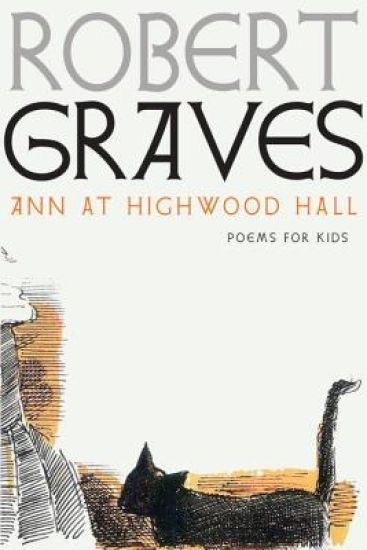
Boisterous, witty, and enchanting, this collection of children's poems by Robert Graves--with iconic drawings by Edward Ardizzone--will delight any young reader. First published over 50 years ago, this is a faithful reproduction of the 1964 original that was published in the United States and Great Britain. Seven poems evoke the world of Victorian England and include the story of Ann, "the third-but-youngest child of seventeen" who runs away to live at a duke's palace; a valentine in verse; a battle of words lost in translation between King George II and the Chinese Emperor; a bedside visit to a little girl from her doctor; and a lively argument between young Caroline and Charles that sounds a lot like 21st-century banter between children. Ann at Highwood Hall will thrill scholars of Robert Graves, collectors of classic children's books, illustrators, historians... and poetry lovers of all ages.
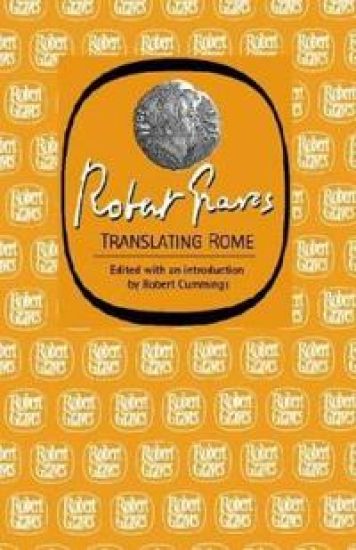
In his translations of three major works from the Roman world, brought together in one volume for the first time, Robert Graves brings the myths, legends and history of the classical world vividly to life. His translations influenced a generation of readers, and writers, when they were first published in the 1950s. As Robert Cummings discusses in his introduction, Graves may sometimes override the strict demands of accuracy; his interpretations of, and responses to, his material may at times be idiosyncratic, but 'Whatever complaints are lodged against Graves' translations, he remains, after fifty years, eminently readable.' Graves himself recognised the translator's problem: 'how much is owed to the letter, and how much to the spirit'. It is the novelist's narrative virtuosity, his flair for catching a character's individual voice, and, above all, his endless curiosity about the world, that make these translations as memorably entertaining as they were to their original audience, as well as a revealing mirror to Graves' interest in myth in The White Goddess and his imaginative recreations of the classical world in "I, Claudius" and "Claudius the God". "The Golden Ass" is one of the essential works in European literature, a magical, entertaining, sometimes bawdy, adventure, to which Graves responds with exuberant delight. In contrast, Lucan's "Pharsalia" an account of the civil war between Julius Casear and Pompey, raises for Graves issues of the writer's moral responsibility, the rejection of rhetoric, that in his own time, he writes, had sent poets 'marching through the Waste Land' after the Great War. "The Twelve Caesars" exemplifies the writer's responsibility to the truthful record in its vivid accounts of the corruptions of arbitrary power.
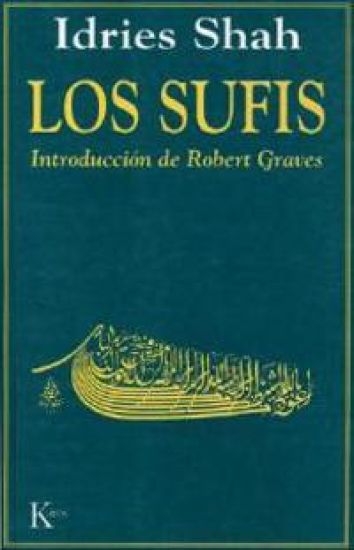
A fascinating journey through the history of Sufism, this classic volume recounts the spread of this religious tradition from the seventh century through the present. This history explains how the origin of Sufism is not solely based on Eastern philosophies but rather emerged from a mix of Eastern as well as Western religious influences. The study also explores Sufism as a representation of the hidden tradition behind all religious and philosophical systems: being in the world but not of the world; being free of ambition, greed, and intellectual pride; and revering tradition and authority. A trav s de un fascinante recorrido de la historia del sufismo, este volumen cl sico se concentra en la propagaci n del pensamiento sufi desde el siglo VII hasta el presente. Esta historia del sufismo explica que su origen no proviene solamente del Oriente, c me obstantemente se supone, sino que es una mezcla de las influencias del Oriente con las del Occidente. El sufismo representa, precisamente, la tradici n secreta que se encuentra detr s de todos los sistemas religiosos y filos ficos: el estar en el mundo sin ser del mundo, el liberarse de las ambiciones, codicias, orgullos intelectuales, al igual que la obediencia ciega a las tradiciones y a la autoridad.
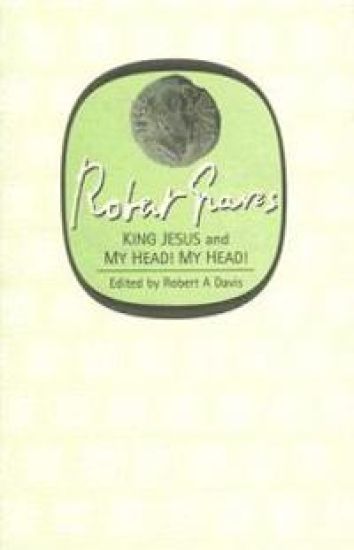
This volume brings together two historical novels based upon the Bible. "King Jesus" is a daring rewriting of the Gospels in the light of Graves's speculations in history and mythology. His Jesus is a charismatic religious reformer dedicated to the ethical and spiritual principles of an austere Judaism and firmly opposed to the legalism of the Temple authorities, the oppressions of imperial Rome and the allure of an older matriarchal goddess cult subtly subverting his ministry. Graves's daring rewriting of the Gospels portrays Jesus as fully human, yet marked with sacred royalty, bent upon a doomed confrontation with external enemies and internal doubts that lead to a conclusion at once inevitable and unexpected. Written in 1925, "My Head! My Head!" was Robert Graves's first novel - a retelling of the story of Elisha and the Shunamite woman. He amplifies the brief Old Testament story into a series of dramatic encounters between the wandering prophet and his inquisitive, quick-witted hostess, who, by skilful questioning, prizes from Elisha the secret religious history of ancient Israel and the true story of the patriarch Moses. Graves uses the extended dialogue of Elisha and Jochebed to elaborate his own unorthodox theory of the origins of primitive Judaism and the role of Moses in the eventual triumph of the cult of Jahweh over the other desert religions of the time.
This is a collection of Robert Graves' essays, written between 1922 and 1972, on areas of culture which engaged him. They are organized around the thematic categories of literature, history and religion. The collection chronicles Graves' intellectual development by presenting the essays chronologically to show how ideas begin and evolve over half a century. At the same time, the essays demonstrate his eclectic knowledge over a vast range of topics and confirm not only his insights, but also his humour and famous "leaps of logic".

Graves's poems have been re-edited in this volume as part of the "Robert Graves Programme". The text restores hundreds of poems that Graves omitted from the canon or overlooked in his continual refinements and, with its scholarly apparatus, should lead to a re-evaluation of his poetic oeuvre. The poems included here span the years of Graves's relationship with the American poet Laura Riding, the inspiration behind "The White Goddess".