Kirjojen hintavertailu. Mukana 12 390 323 kirjaa ja 12 kauppaa.
Kirjailija
Robert H. Sharf
Kirjat ja teokset yhdessä paikassa: 3 kirjaa, julkaisuja vuosilta 2005-2025, suosituimpien joukossa Über die Kunst des Loslassens. Vertaile teosten hintoja ja tarkista saatavuus suomalaisista kirjakaupoista.
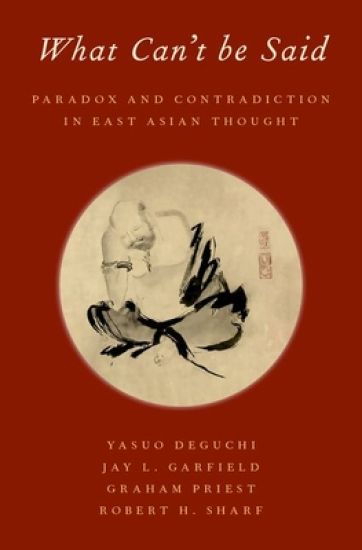
Typically, in the Western philosophical tradition, the presence of paradox and contradictions is taken to signal the failure or refutation of a theory or line of thinking. This aversion to paradox rests on the commitment-whether implicit or explicit-to the view that reality must be consistent. In What Can't be Said, Yasuo Deguchi, Jay L. Garfield, Graham Priest, and Robert H. Sharf extend their earlier arguments that the discovery of paradox and contradiction can deepen rather than disprove a philosophical position, and confirm these ideas in the context of East Asian philosophy. They claim that, unlike most Western philosophers, many East Asian philosophers embraced paradox, and provide textual evidence for this claim. Examining two classical Daoist texts, the Daodejing and the Zhaungzi, as well as the trajectory of Buddhism in East Asia, including works from the Sanlun, Tiantai, Chan, and Zen traditions and culminating with the Kyoto school of philosophy, they argue that these philosophers' commitment to paradox reflects an understanding of reality as inherently paradoxical, revealing significant philosophical insights.
The issue of sinification--the manner and extent to which Buddhism and Chinese culture were transformed through their mutual encounter and dialogue--has dominated the study of Chinese Buddhism for much of the past century. Robert Sharf opens this important and far-reaching book by raising a host of historical and hermeneutical problems with the encounter paradigm and the master narrative on which it is based. Coming to Terms with Chinese Buddhism is, among other things, an extended reflection on the theoretical foundations and conceptual categories that undergird the study of medieval Chinese Buddhism. Sharf draws his argument in part from a meticulous historical, philological, and philosophical analysis of the Treasure Store Treatise (Pao-tsang lun), an eighth-century Buddho-Taoist work apocryphally attributed to the fifth-century master Seng-chao (374-414). In the process of coming to terms with this recondite text, Sharf ventures into all manner of subjects bearing on our understanding of medieval Chinese Buddhism, from the evolution of T'ang gentry Taoism to the pivotal role of image veneration and the problematic status of Chinese Tantra. The volume includes a complete annotated translation of the Treasure Store Treatise, accompanied by the detailed exegesis of dozens of key terms and concepts.