Kirjojen hintavertailu. Mukana 12 272 310 kirjaa ja 12 kauppaa.

Kirjailija

Robert M. Milardo

Kirjat ja teokset yhdessä paikassa: 4 kirjaa, julkaisuja vuosilta 2009-2015, suosituimpien joukossa Crafting Scholarship in the Behavioral and Social Sciences. Vertaile teosten hintoja ja tarkista saatavuus suomalaisista kirjakaupoista.

4 kirjaa

Kirjojen julkaisuhaarukka 2009-2015.

The Forgotten Kin

The Forgotten Kin

Robert M. Milardo

Cambridge University Press
2015
pokkari
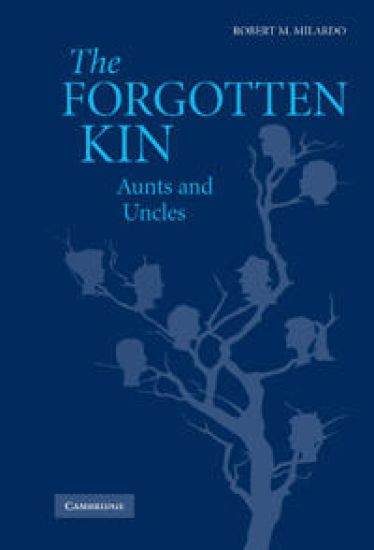
Although much is written about contemporary families, the focus is typically limited to marriage and parenting. In this path-breaking assessment of families sociologist Robert M. Milardo demonstrates how aunts and uncles contribute to the daily lives of parents and their children. Aunts and uncles complement the work of parents, sometimes act as second parents, and sometimes form entirely unique brands of intimacy grounded in a lifetime of shared experiences. The Forgotten Kin explores how aunts and uncles support parents, buffer the relationships of parents and children, act as family historians, and develop lifelong friendships with parents and their children. The book details the routine activities of aunts and uncles, the features of families that encourage closeness, how aunts and uncles go about mentoring nieces and nephews, and how adults are mentored by the very children for whom they are responsible. This book aims to change the public discourse on families and the involvement of the forgotten kin across generations and households.
Crafting Scholarship in the Behavioral and Social Sciences
Crafting Scholarship helps readers improve their writing and publishing success in academia. Framed within the context of the editorial and peer review process, the book explores writing, editing, and reviewing in academic publishing. As such it provides unique coverage of how successful writers work, how they manage criticism, and more. Examples from successful scholars provide helpful tips in writing articles, grants, books, book chapters, and reviews. Each chapter features tools that facilitate learning including Best Practices and Writer’s Resource boxes to help maximize success, discussion questions and case studies to stimulate critical thinking, and recommended readings to encourage self exploration. A Facebook page provides an opportunity for readers to post writing updates and for instructors to share materials.Highlights include:-Insights on working with journal boards, reviewers, and contributors drawn from the author’s 30 years of experience in editing journal articles and writing books. -Describes writing quantitative and qualitative reports, theory and literature reviews, books and chapters, grants, and book reviews. -Identifies common problems academics face in writing and publishing along with practical solutions.-Explores best practices in writing peer reviews, responding to reviewers and editors, and how to calculate and interpret acceptance rates and impact factors. -Addresses how to write each section of a journal article and select keywords that facilitate digital search engines to help potential readers find an article.-Includes examples of published work and tips on writing research syntheses using meta-analytic techniques or narrative analyses. -Examines the practices of successful writers, the pros and cons of collaborations, what publishers look for, and managing criticism. -Reviews pertinent empirical literature on the core topics of writing, reviewing, and editing. Intended for graduate or advanced undergraduate courses in professional development, writing in an academic field, or research methods taught in psychology, education, human development and family studies, sociology, communication, and other social sciences, this practical guide also appeals to those interested in pursuing an academic career and new and seasoned researchers.
Crafting Scholarship in the Behavioral and Social Sciences
Crafting Scholarship helps readers improve their writing and publishing success in academia. Framed within the context of the editorial and peer review process, the book explores writing, editing, and reviewing in academic publishing. As such it provides unique coverage of how successful writers work, how they manage criticism, and more. Examples from successful scholars provide helpful tips in writing articles, grants, books, book chapters, and reviews. Each chapter features tools that facilitate learning including Best Practices and Writer’s Resource boxes to help maximize success, discussion questions and case studies to stimulate critical thinking, and recommended readings to encourage self exploration. A Facebook page provides an opportunity for readers to post writing updates and for instructors to share materials.Highlights include:-Insights on working with journal boards, reviewers, and contributors drawn from the author’s 30 years of experience in editing journal articles and writing books. -Describes writing quantitative and qualitative reports, theory and literature reviews, books and chapters, grants, and book reviews. -Identifies common problems academics face in writing and publishing along with practical solutions.-Explores best practices in writing peer reviews, responding to reviewers and editors, and how to calculate and interpret acceptance rates and impact factors. -Addresses how to write each section of a journal article and select keywords that facilitate digital search engines to help potential readers find an article.-Includes examples of published work and tips on writing research syntheses using meta-analytic techniques or narrative analyses. -Examines the practices of successful writers, the pros and cons of collaborations, what publishers look for, and managing criticism. -Reviews pertinent empirical literature on the core topics of writing, reviewing, and editing. Intended for graduate or advanced undergraduate courses in professional development, writing in an academic field, or research methods taught in psychology, education, human development and family studies, sociology, communication, and other social sciences, this practical guide also appeals to those interested in pursuing an academic career and new and seasoned researchers.
The Forgotten Kin

The Forgotten Kin

Robert M. Milardo

Cambridge University Press
2009
sidottu
Although much is written about contemporary families, the focus is typically limited to marriage and parenting. In this path-breaking assessment of families sociologist Robert M. Milardo demonstrates how aunts and uncles contribute to the daily lives of parents and their children. Aunts and uncles complement the work of parents, sometimes act as second parents, and sometimes form entirely unique brands of intimacy grounded in a lifetime of shared experiences. The Forgotten Kin explores how aunts and uncles support parents, buffer the relationships of parents and children, act as family historians, and develop lifelong friendships with parents and their children. The book details the routine activities of aunts and uncles, the features of families that encourage closeness, how aunts and uncles go about mentoring nieces and nephews, and how adults are mentored by the very children for whom they are responsible. This book aims to change the public discourse on families and the involvement of the forgotten kin across generations and households.