Kirjojen hintavertailu. Mukana 12 595 353 kirjaa ja 12 kauppaa.

Kirjailija

Robert W. White

Kirjat ja teokset yhdessä paikassa: 6 kirjaa, julkaisuja vuosilta 2006-2023, suosituimpien joukossa Ruairí Ó Brádaigh. Vertaile teosten hintoja ja tarkista saatavuus suomalaisista kirjakaupoista.

Mukana myös kirjoitusasut: Robert W White

6 kirjaa

Kirjojen julkaisuhaarukka 2006-2023.

Reflections

Reflections

Robert W White; Rosemary M Kanigan

Friesenpress
2023
pokkari
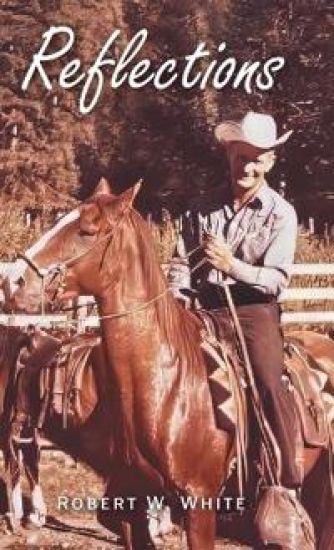
That broken old buggy down by the wellIf it could talk it would have a story to tellOf horses and sleighs and bygone daysPull up a stump and hear what it says.Reflections is a collection of rhyming poetry that shares a snapshot of a life that may soon be a thing of the past: that of an old-school rancher in the interior of British Columbia. The poems provide a reflective window into how life was lived on a farm, and the struggles and joys of that life. Steeped in the honest language of someone who lived these experiences from 1932 through to 2023, the poems invite readers to explore a world that may be entirely new to them, and to find the connections between themselves and these universal themes. It is a love letter to life on the ranch, and to the tight family connections that made that life a thing of beauty.This collection has been posthumously published by the poet's daughter, Rosemary Kanigan, who found over sixty poems in her father's closet after his death. She always believed her father had the intention of sharing his poems, but at ninety years of age he either didn't have the drive, or didn't know how to go about it. She brought this book to life in his memory, and to share his memories with the world.
Reflections

Reflections

Robert W White; Rosemary M Kanigan

Friesenpress
2023
sidottu
That broken old buggy down by the wellIf it could talk it would have a story to tellOf horses and sleighs and bygone daysPull up a stump and hear what it says.Reflections is a collection of rhyming poetry that shares a snapshot of a life that may soon be a thing of the past: that of an old-school rancher in the interior of British Columbia. The poems provide a reflective window into how life was lived on a farm, and the struggles and joys of that life. Steeped in the honest language of someone who lived these experiences from 1932 through to 2023, the poems invite readers to explore a world that may be entirely new to them, and to find the connections between themselves and these universal themes. It is a love letter to life on the ranch, and to the tight family connections that made that life a thing of beauty.This collection has been posthumously published by the poet's daughter, Rosemary Kanigan, who found over sixty poems in her father's closet after his death. She always believed her father had the intention of sharing his poems, but at ninety years of age he either didn't have the drive, or didn't know how to go about it. She brought this book to life in his memory, and to share his memories with the world.
Ruairí Ó Brádaigh

Ruairí Ó Brádaigh

Robert W. White

Indiana University Press
2020
pokkari
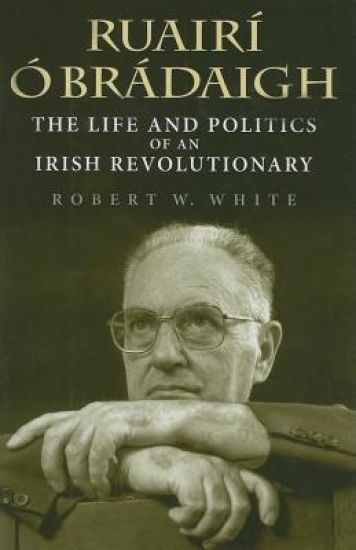
"In a very real sense, Ruairí Ó Brádaigh can . . . be said to be the last, or one of the last Irish Republicans. Studies of the Provisional movement to date have invariably focused more on the Northerners and the role of people like Gerry Adams and Martin McGuinness. But an understanding of them is not possible without appreciating where they came from and from what tradition they have broken. Ruairí Ó Brádaigh is that tradition and that is why this account of his life and politics is so important." —from the foreword by Ed Moloney, author of A Secret History of the IRA At his death in 2013, Ruairí Ó Brádaigh remained a divisive and influential figure in Irish politics and the Irish Republican movement. He was the first person to serve as chief of staff of the Irish Republican Army, as president of the political party Sinn Féin, and to have been elected, as an abstentionist, to the Dublin parliament. He was a prominent, uncompromising, and articulate spokesperson of those Irish Republicans who questioned the peace process in Northern Ireland. His concern was rooted in his analysis of Irish history and his belief that the peace process would not achieve peace. He believed that it would support the continued partition of Ireland and result in continued, inevitable, conflict. The child of Irish Republican veterans, Ó Brádaigh led IRA raids, was arrested and interned, escaped and lived "on the run," and even spent a period of time on a hunger strike. Because he was an effective spokesman for the Irish Republican cause, he was at different times excluded from Northern Ireland, Britain, the United States, and Canada. He was also a key figure in the secret negotiation of a bilateral IRA-British truce in the mid-1970s. In a brief afterword for this new edition, author Robert W. White addresses Ó Brádaigh's continuing influence on the Irish Republican Movement, including the ongoing "dissident" campaign. Whether for good or bad, this ongoing dissident activity is a part of Ruairí Ó Brádaigh's enduring legacy.
The Trip: All The Way, in my Chevrolet

The Trip: All The Way, in my Chevrolet

Robert W. White

Createspace Independent Publishing Platform
2015
nidottu
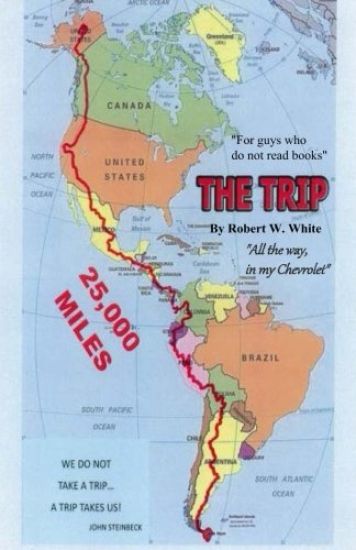
Bob White started out as a young man, with an idea that he could do a 25,000 mile road trip from the Artic to the bottom of the earth across the Straits of Magellan to the southern most place on earth where people live. Fifty years ago, before there was a road, he made this epic journey; encountering bull fights, bandits, bullets, and bad roads, and finally ending as a MAN. One will enjoy riding with him in his old Chevy pickup, as he drives "The Trip".
The Study of Lives

The Study of Lives

Robert W. White

AldineTransaction
2006
nidottu
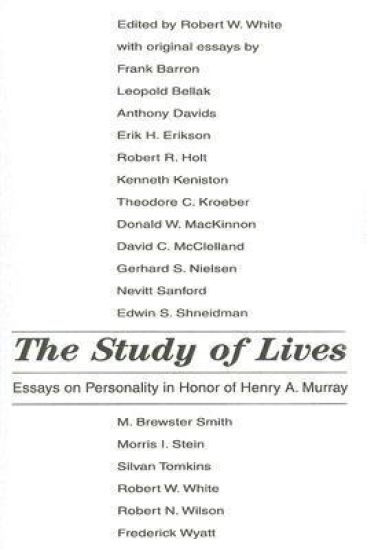
The Study of Lives reveals for the first time the extent of Henry A. Murray's considerable influence on the study of personality. Throughout his long and distinguished career, he has either trained or strongly influenced some of the world's leading psychologists, eighteen of whom have written fascinating essays for this book. The range of topics presented here is as diverse and highly original as Murray's own ideas about personality. Everyone concerned with the study of personality will find this book an excellent sampling of the best work being done in the field."The study of lives" is a phrase Henry A. Murray has often used to describe his own work, and it suggests his central conviction that living beings must be studied as living wholes. Personality, he has repeatedly pointed out, is a dynamic process-a constantly changing configuration of thoughts, feelings, and actions occurring in a social environment and continuing throughout life. If small parts and short segments of human affairs have to be isolated for detailed scrutiny, they must still be understood as parts of a patterned organic system and as segments of a lifelong process. This has never meant for him that all research should take the form of collecting life histories, although his contributions along this line have been outstanding. It implies simply that isolating, fragmenting, and learning just a tiny bit about a lot of people tend to carry us away from what is most worth studying.The essays in this book are grouped under headings that represent some of Murray's strongest interests: His conception of personality as a dynamic process is reflected in Part I, which deals with continuities and changes in the course of life. His interest in devising procedures suitable for disclosing live feelings, fantasies, and adaptations and his insistence on the necessity for an adequate taxonomy of carefully discriminated, carefully defined variables are represented in the papers of Part II. His view that creativity is a central property of human nature has contributed to the reflections and researches that make up Part III. Finally, his concern with values--the great blind spot of traditional science but so obviously a momentous problem for contemporary lives and societies--has been taken up in several different ways by the authors of Part IV.
Ruairí Ó Brádaigh

Ruairí Ó Brádaigh

Robert W. White

Indiana University Press
2006
sidottu
"In a very real sense, Ruairí Ó Brádaigh can . . . be said to be the last, or one of the last Irish Republicans. Studies of the Provisional movement to date have invariably focused more on the Northerners and the role of people like Gerry Adams and Martin McGuinness. But an understanding of them is not possible without appreciating where they came from and from what tradition they have broken. Ruairí Ó Brádaigh is that tradition and that is why this account of his life and politics is so important." —from the foreword by Ed Moloney, author of A Secret History of the IRA At his death in 2013, Ruairí Ó Brádaigh remained a divisive and influential figure in Irish politics and the Irish Republican movement. He was the first person to serve as chief of staff of the Irish Republican Army, as president of the political party Sinn Féin, and to have been elected, as an abstentionist, to the Dublin parliament. He was a prominent, uncompromising, and articulate spokesperson of those Irish Republicans who questioned the peace process in Northern Ireland. His concern was rooted in his analysis of Irish history and his belief that the peace process would not achieve peace. He believed that it would support the continued partition of Ireland and result in continued, inevitable, conflict. The child of Irish Republican veterans, Ó Brádaigh led IRA raids, was arrested and interned, escaped and lived "on the run," and even spent a period of time on a hunger strike. Because he was an effective spokesman for the Irish Republican cause, he was at different times excluded from Northern Ireland, Britain, the United States, and Canada. He was also a key figure in the secret negotiation of a bilateral IRA-British truce in the mid-1970s. In a brief afterword for this new edition, author Robert W. White addresses Ó Brádaigh's continuing influence on the Irish Republican Movement, including the ongoing "dissident" campaign. Whether for good or bad, this ongoing dissident activity is a part of Ruairí Ó Brádaigh's enduring legacy.