

Kirjailija
Robert Wallis
Kirjat ja teokset yhdessä paikassa: 2 kirjaa, julkaisuja vuosilta 2007-2025, suosituimpien joukossa Switzerland. Vertaile teosten hintoja ja tarkista saatavuus suomalaisista kirjakaupoista.
2 kirjaa
Kirjojen julkaisuhaarukka 2007-2025.
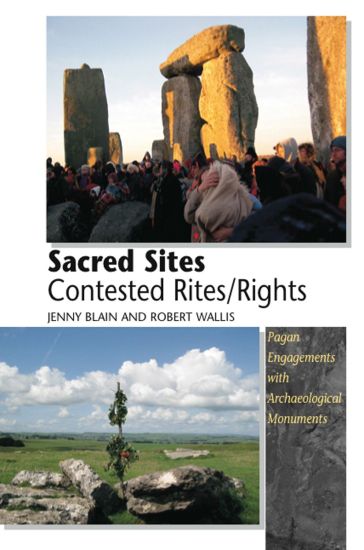
Sacred Sites - Contested Rites/Rights
Jenny Blain; Robert Wallis
LIVERPOOL UNIVERSITY PRESS
2007
nidottu
Paganism is held to be the fastest growing 'religion' in Britain today. Pagan identities and constructions of sacredness contest assumptions of a 'closed' past and untouchable heritage, within a socio-politics in which prehistoric archaeology -- the stone circles, burial cairns and rock art of the British Isles -- is itself subject to political and economic threats. Pagans see prehistoric monuments in a living, enchanted landscape of deities, ancestors, spirits, 'wights' and other non-human agencies engaged with for personal and community empowerment. From all areas of Britain and indeed worldwide, people come to sacred sites of prehistory to make pilgrimage, befriend places, give offerings, act as unofficial 'site guardians', campaign for 'site welfare'. Summer solstice access at Stonehenge attracts tens of thousands of celebrants; threats of quarrying near Derbyshire's Nine Ladies stone circle or Yorkshire's Thornborough Henges lead to protests and campaigns for the preservation of sacred landscapes and conservation of plant and animal species. Pagans can be seen as allies to the interests of heritage management, yet instances of site damage and recent claims for the reburial of non-Christian human remains disrupt the preservation ethos of those who manage and study these sites, and the large-scale celebrations at Stonehenge and Avebury are subject to continual negotiation. In this book an anthropologist (Blain) and archaeologist (Wallis) examine interfaces between paganisms and archaeology, considering the emergence of 'sacred sites' in pagan and heritage discourse and implications of pagan involvement for heritage management, archaeology, anthropology -- and for pagans themselves, as well as considering practical guidelines for reciprocal benefit.