Kirjojen hintavertailu. Mukana 12 390 323 kirjaa ja 12 kauppaa.

Kirjailija

Robert Wilcher

Kirjat ja teokset yhdessä paikassa: 6 kirjaa, julkaisuja vuosilta 1985-2024, suosituimpien joukossa The Discontented Cavalier. Vertaile teosten hintoja ja tarkista saatavuus suomalaisista kirjakaupoista.

6 kirjaa

Kirjojen julkaisuhaarukka 1985-2024.

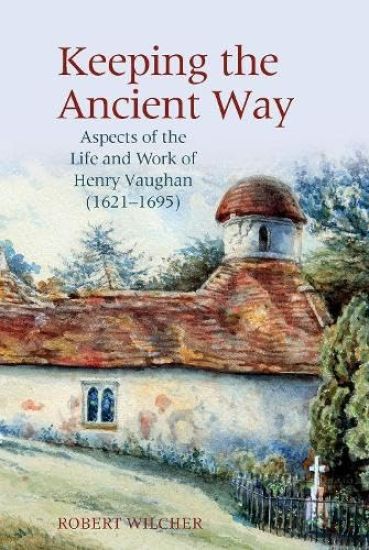
Keeping the Ancient Way

Keeping the Ancient Way

Robert Wilcher

LIVERPOOL UNIVERSITY PRESS
2024
nidottu
Written by one of the editors of the new complete works of Henry Vaughan, Keeping the Ancient Way is the first book-length study of the poet by a single author for twenty years. It deals with a number of key topics that are central to the understanding and appreciation of this major seventeenth-century writer. These include his debt to the hermetic philosophy espoused by his twin brother (the alchemist, Thomas Vaughan); his royalist allegiance in the Civil War; his loyalty to the outlawed Church of England during the Interregnum; the unusual degree of intertextuality in his poetry (especially with the Scriptures and the devotional lyrics of George Herbert); and his literary treatment of the natural world (which has been variously interpreted from Christian, proto-Romantic, and ecological perspectives). Each of the chapters is self-contained and places its topic in relation to past and current critical debates, but the book is organized so that the biographical, intellectual, and political focus of Part One informs the discussion of poetic craftsmanship in Part Two. A wealth of historical information and close critical readings provide an accessible introduction to the poet and his period for students and general readers alike. The up-to-date scholarship will also be of interest to specialists in the literature and history of the Civil War and Interregnum.
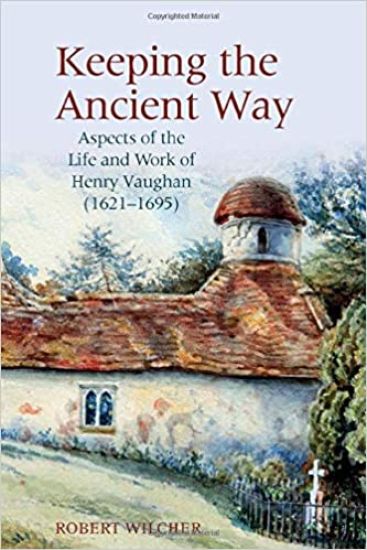
Keeping the Ancient Way

Keeping the Ancient Way

Robert Wilcher

Liverpool University Press
2021
sidottu
Written by one of the editors of the new complete works of Henry Vaughan, Keeping the Ancient Way is the first book-length study of the poet by a single author for twenty years. It deals with a number of key topics that are central to the understanding and appreciation of this major seventeenth-century writer. These include his debt to the hermetic philosophy espoused by his twin brother (the alchemist, Thomas Vaughan); his royalist allegiance in the Civil War; his loyalty to the outlawed Church of England during the Interregnum; the unusual degree of intertextuality in his poetry (especially with the Scriptures and the devotional lyrics of George Herbert); and his literary treatment of the natural world (which has been variously interpreted from Christian, proto-Romantic, and ecological perspectives). Each of the chapters is self-contained and places its topic in relation to past and current critical debates, but the book is organized so that the biographical, intellectual, and political focus of Part One informs the discussion of poetic craftsmanship in Part Two. A wealth of historical information and close critical readings provide an accessible introduction to the poet and his period for students and general readers alike. The up-to-date scholarship will also be of interest to specialists in the literature and history of the Civil War and Interregnum.
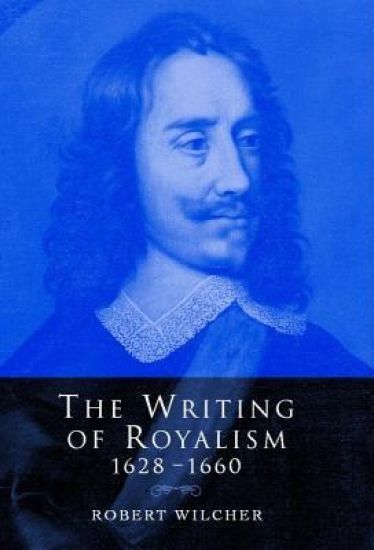
The Writing of Royalism 1628–1660

The Writing of Royalism 1628–1660

Robert Wilcher

Cambridge University Press
2009
pokkari
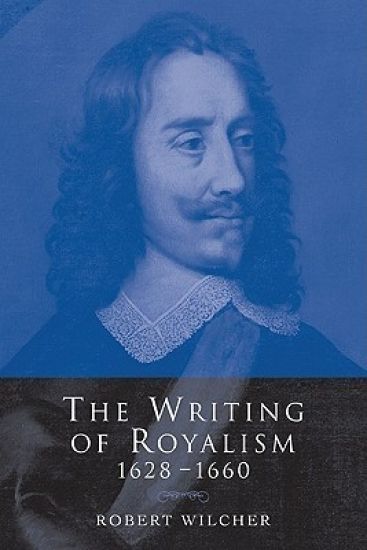
In The Writing of Royalism, Robert Wilcher charts the political and ideological development of 'royalism' between 1628 and 1660. His study of the literature and propaganda produced by those who adhered to the crown during the civil wars and their aftermath takes in many kinds of writing to provide a comprehensive account of the emergence of a partisan literature in support of the English monarchy and Church. Wilcher situates a wide range of minor and canonical texts in the tumultuous political contexts of the time, helpfully integrating them into a detailed historical narrative. He illustrates the role of literature in forging a party committed to the military defence of royalist values and determined to sustain them in defeat. The Writing of Royalism casts light on the complex phenomenon of 'royalism' by making available a wealth of material that should be of interest to historians as well as literary scholars.
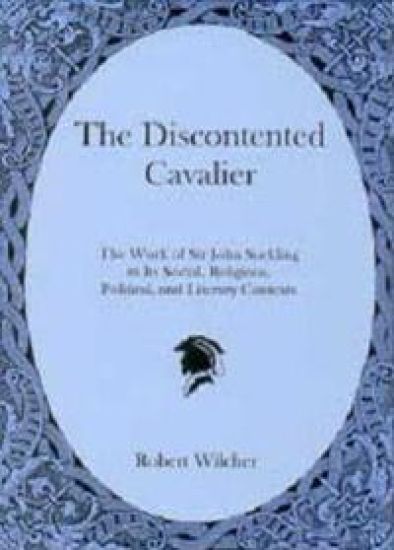
The Discontented Cavalier

The Discontented Cavalier

Robert Wilcher

University of Delaware Press
2007
sidottu
This comprehensive study of the literary output of Sir John Suckling reconstructs the various contexts in which the poems, plays, letters, and prose tracts were produced and, by means of close textual analysis, reveals the nature of one writer's engagement_both creative and subversive_with the social, religious, political, and cultural dimensions of Caroline England. It challenges the common view of Suckling as primarily a court wit and courtier playwright and makes a case for reading much of his poetry and drama as a critique of the social values and aesthetic fashions associated with the patronage of Queen Henrietta Maria. In other words, this so-called 'Cavalier' is revealed as an astute and skeptical commentator on national and international affairs, whose discontent with the religious and political consequences of King Charles I's government during the 1630s was often at odds with his unshakable loyalty to the crown.
The Writing of Royalism 1628–1660

The Writing of Royalism 1628–1660

Robert Wilcher

Cambridge University Press
2000
sidottu
In The Writing of Royalism, Robert Wilcher charts the political and ideological development of 'royalism' between 1628 and 1660. His study of the literature and propaganda produced by those who adhered to the crown during the civil wars and their aftermath takes in many kinds of writing to provide a comprehensive account of the emergence of a partisan literature in support of the English monarchy and Church. Wilcher situates a wide range of minor and canonical texts in the tumultuous political contexts of the time, helpfully integrating them into a detailed historical narrative. He illustrates the role of literature in forging a party committed to the military defence of royalist values and determined to sustain them in defeat. The Writing of Royalism casts light on the complex phenomenon of 'royalism' by making available a wealth of material that should be of interest to historians as well as literary scholars.
Andrew Marvell

Andrew Marvell

Robert Wilcher

Cambridge University Press
1985
sidottu
This introductory study provides a comprehensive and coherent account of all Andrew Marvell's poetry for those with no specialised knowledge of seventeenth-century literature and history. After a brief account of Marvell's career as student, private tutor, civil servant, and Member of Parliament, there follow six chapters dealing with the major body of lyrical poetry according to subject matter or thematic context. Since inexperienced readers often encounter difficulties with the allusive nature of Marvell's art, it is a particular feature of this book that it provides sufficient information on the literary, cultural and political context of the work without sacrificing an appreciation of the aesthetic qualities and the ironic wit and burnout for which Marvell's verse is celebrated. In the final chapter Dr Wilcher discusses the public writing in verse and prose which occupied Marvell's later years in relation to political developments under Oliver Cromwell and Charles II.