Kirjojen hintavertailu. Mukana 12 318 968 kirjaa ja 12 kauppaa.

Kirjailija

Roberta B. Ness

Kirjat ja teokset yhdessä paikassa: 3 kirjaa, julkaisuja vuosilta 2012-2013, suosituimpien joukossa Creativity in the Sciences. Vertaile teosten hintoja ja tarkista saatavuus suomalaisista kirjakaupoista.

3 kirjaa

Kirjojen julkaisuhaarukka 2012-2013.

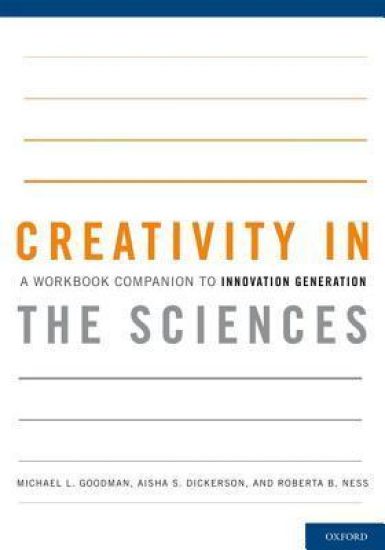
Creativity in the Sciences

Creativity in the Sciences

Michael L. Goodman; Aisha S. Dickerson; Roberta B. Ness

Oxford University Press Inc
2013
nidottu
Learning to think innovatively requires practice. This workbook, which serves as a companion to Roberta Ness's Innovation Generation: How to Produce Creative and Useful Scientific Ideas, provides over 150 exercises and activities to hone creative problem-solving skills. Workbook tasks include improvisation, insight exercises, and generative skill building. Each chapter addresses doubts that individuals harbor concerning their ability to improve their innovative output, the techniques to work around frames, metaphors and biases in thinking, manipulatives to rearrange problem conceptualization, insight, intuition, collective innovative output from groups, and social and environmental factors that affect creative thinking. The workbook features straightforward and heuristic exercises for both individuals and groups.
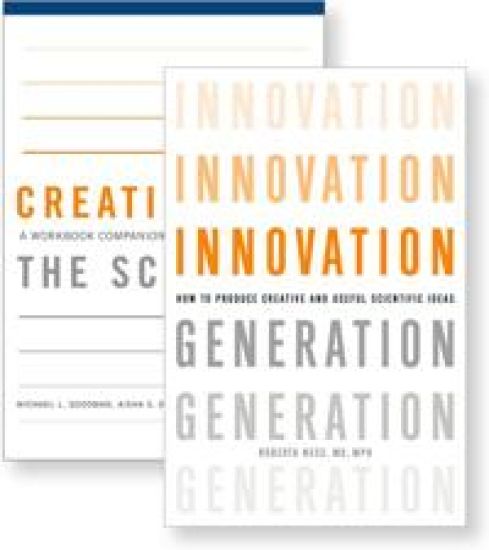
Innovation Generation and Creativity in the Sciences

Innovation Generation and Creativity in the Sciences

Roberta B. Ness; Michael Goodman; Aisha S. Dickerson

Oxford University Press Inc
2013
sidottu
Whether you are a student or an established scientist, researcher, or engineer, you can learn to be more innovative. In Innovation Generation, internationally renowned physician and scientist Roberta Ness provides all the tools you need to cast aside your habitual ways of navigating the every-day world and to think "outside the box." Based on an extraordinarily successful program at the University of Texas, this book provides proven techniques to expand your ability to generate original ideas. These tools include analogy, expanding assumptions, pulling questions apart, changing your point of view, reversing your thinking, and getting the most out of multidisciplinary groups, to name a few. Woven into the discussion are engaging stories of famous scientists who found fresh paths to innovation, including groundbreaking primate scientist Jane Goodall, father of lead research Herb Needleman, and physician Ignaz Semmelweis, whose discovery of infection control saved millions. Creativity in the Sciences, a workbook companion to Innovation Generation, provides over 150 exercises and activities to hone creative problem-solving skills. Workbook tasks include improvisation, insight exercises, and generative skill building. Each chapter addresses doubts that individuals harbor concerning their ability to improve their innovative output, the techniques to work around frames, metaphors and biases in thinking, manipulatives to rearrange problem conceptualization, insight, intuition, collective innovative output from groups, and social and environmental factors that affect creative thinking. The workbook features straightforward and heuristic exercises for both individuals and groups. Now available at a special bundled price, these two books will show how to combine your newly acquired skills in innovative thinking with the normal process of scientific thinking, so that your new abilities are more than playthings. Innovation will power your science.
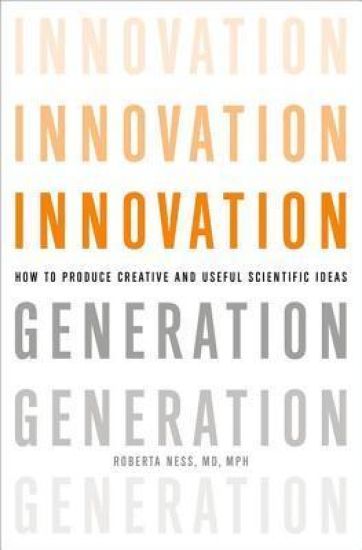
Innovation Generation

Innovation Generation

Roberta B. Ness

Oxford University Press Inc
2012
sidottu
Whether you are a student or an established scientist, researcher, or engineer, you can learn to be more innovative. In Innovation Generation, internationally renowned physician and scientist Roberta Ness provides all the tools you need to cast aside your habitual ways of navigating the every-day world and to think "outside the box." Based on an extraordinarily successful program at the University of Texas, this book provides proven techniques to expand your ability to generate original ideas. These tools include analogy, expanding assumptions, pulling questions apart, changing your point of view, reversing your thinking, and getting the most out of multidisciplinary groups, to name a few. Woven into the discussion are engaging stories of famous scientists who found fresh paths to innovation, including groundbreaking primate scientist Jane Goodall, father of lead research Herb Needleman, and physician Ignaz Semmelweis, whose discovery of infection control saved millions. Finally, the book shows how to combine your newly acquired skills in innovative thinking with the normal process of scientific thinking, so that your new abilities are more than playthings. Innovation will power your science.