Kirjojen hintavertailu. Mukana 12 595 353 kirjaa ja 12 kauppaa.

Kirjailija

Roberto Albano

Kirjat ja teokset yhdessä paikassa: 2 kirjaa, julkaisuja vuosilta 2020-2022, suosituimpien joukossa System, Actor, and Process. Vertaile teosten hintoja ja tarkista saatavuus suomalaisista kirjakaupoista.

2 kirjaa

Kirjojen julkaisuhaarukka 2020-2022.

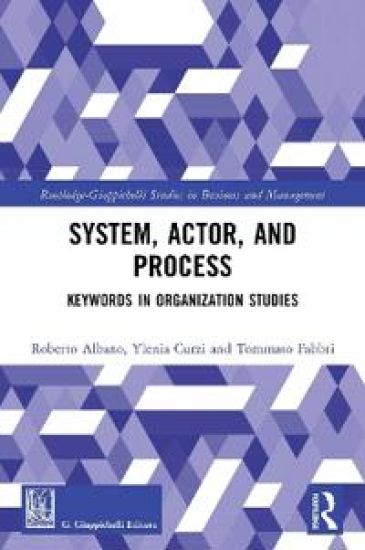
System, Actor, and Process

System, Actor, and Process

Roberto Albano; Ylenia Curzi; Tommaso Fabbri

TAYLOR FRANCIS LTD
2022
nidottu
System, Actor and Process: Keywords in Organization Studies is intended as an epistemological ‘compass’ to navigate through the multifaceted key concepts typically used in organizational practice and research. The book illustrates thirty-four keywords using a tripartite structure: each keyword is briefly discussed from three points of view, namely the system-centered, actor-centered and process-centered conception of organization, which reflects the options emerging from contemporary epistemological debate in organizational studies and, more generally, in social sciences, namely objectivism, subjectivism, and the Weberian "third way". Primarily addressed to researchers and academics in organization studies, this book is also a useful resource for undergraduate or postgraduate students, for whom it may represent a thorough introduction to organizational concepts. It will also be a valuable tool for managers to apply in their everyday practice.
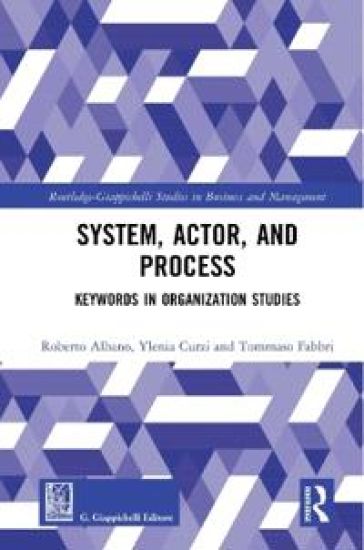
System, Actor, and Process

System, Actor, and Process

Roberto Albano; Ylenia Curzi; Tommaso Fabbri

Routledge
2020
sidottu
System, Actor and Process: Keywords in Organization Studies is intended as an epistemological ‘compass’ to navigate through the multifaceted key concepts typically used in organizational practice and research. The book illustrates thirty-four keywords using a tripartite structure: each keyword is briefly discussed from three points of view, namely the system-centered, actor-centered and process-centered conception of organization, which reflects the options emerging from contemporary epistemological debate in organizational studies and, more generally, in social sciences, namely objectivism, subjectivism, and the Weberian "third way". Primarily addressed to researchers and academics in organization studies, this book is also a useful resource for undergraduate or postgraduate students, for whom it may represent a thorough introduction to organizational concepts. It will also be a valuable tool for managers to apply in their everyday practice.