

Kirjailija
Roberto Verdum
Kirjat ja teokset yhdessä paikassa: 8 kirjaa, julkaisuja vuosilta 2016-2024, suosituimpien joukossa Erosión del Suelo. Vertaile teosten hintoja ja tarkista saatavuus suomalaisista kirjakaupoista.
8 kirjaa
Kirjojen julkaisuhaarukka 2016-2024.

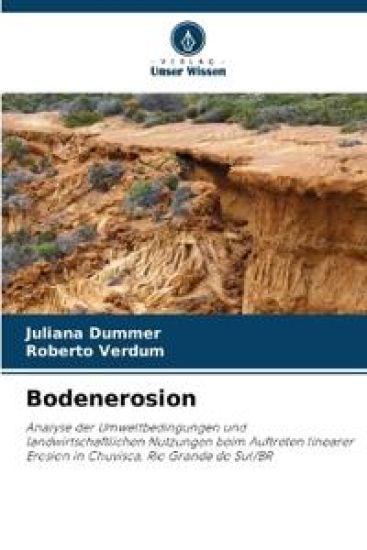
Die lineare Erosion ist eine der Formen der Wassererosion, die durch Furchen und Schluchten, die das fortgeschrittene Stadium von Schluchten erreichen, zu Bodendegradation f hrt. Ohne menschliches Eingreifen f hren sie zum Verlust von Ackerfl chen und permanenten Schutzgebieten (APPs), zur Unterbrechung von Stra en, zur Verunreinigung von Wasserl ufen und werden sogar zu Risikogebieten f r Erdrutsche, Unf lle und Tiersterben. Dar ber hinaus verursachen sie in landwirtschaftlichen Gebieten berm ige Kosten f r Kommunen und Landwirte durch den Einsatz chemischer N hrstoffe und durch den Einsatz von Maschinen f r die Instandhaltung von Stra en und Feldfr chten. In dieser Forschung schlagen wir eine Analyse der Umweltbedingungen (Geologie - Lithologie und Struktur, Geomorphologie, Bodentypen und Landnutzung) in Bezug auf das Auftreten linearer Erosionsprozesse (Schluchten/Schluchten) in der Gemeinde Chuvisca, Rio Grande do, vor Sul, Brasilien.

L' rosion lin aire est l'une des formes d' rosion par l'eau qui provoque la d gradation des terres par le biais de sillons et de ravines qui atteignent le stade avanc de ravines. En l'absence d'intervention humaine, elles entra nent la perte de terres arables et de zones de pr servation permanente (ZPP), l'interruption des routes, la contamination des cours d'eau et deviennent m me des zones risque de glissements de terrain, d'accidents et de d c s d'animaux. En outre, dans les zones agricoles, ils g n rent des co ts excessifs pour les municipalit s et les agriculteurs, en termes de nutriments chimiques et d'heures de travail, avec l'utilisation de machines pour entretenir les routes et les cultures. Cette recherche vise analyser les facteurs environnementaux (g ologie - lithologie et structure, g omorphologie, types de sols et utilisation des terres) en relation avec l'occurrence des processus d' rosion lin aire (ravines/vo orocas) dans la municipalit de Chuvisca, Rio Grande do Sul, Br sil.
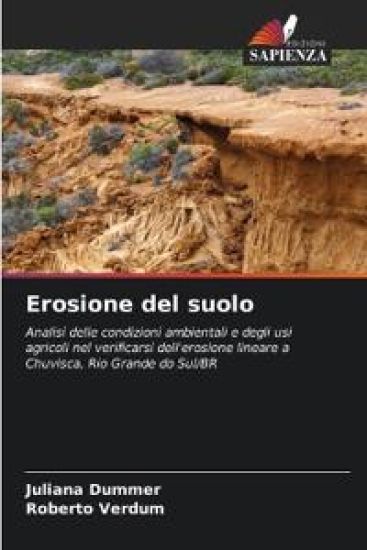
L'erosione lineare una delle forme di erosione idrica che provoca il degrado del terreno attraverso solchi e canaloni che raggiungono lo stadio avanzato di calanchi. Quando non c' intervento umano, portano alla perdita di terreni coltivabili e di Aree di Conservazione Permanente (APS), all'interruzione delle strade, alla contaminazione dei corsi d'acqua e diventano persino aree a rischio di frane, incidenti e morte di animali. Inoltre, nelle aree agricole, generano costi eccessivi per i comuni e gli agricoltori, in termini di nutrienti chimici e ore di lavoro, con l'utilizzo di macchinari per la manutenzione di strade e colture. Questa ricerca si propone di analizzare i fattori ambientali (geologia - litologia e struttura, geomorfologia, tipi di suolo e uso del suolo) in relazione al verificarsi di processi di erosione lineare (gullies/vo orocas) nel comune di Chuvisca, Rio Grande do Sul, Brasile.
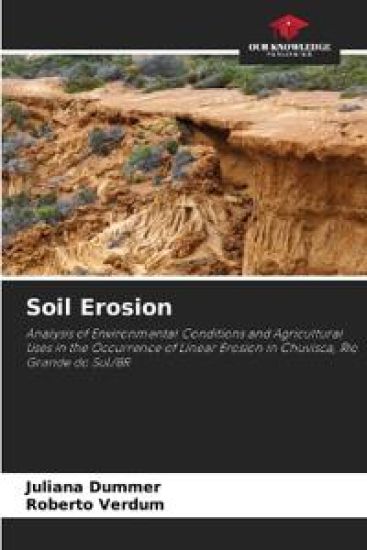
Linear erosion is one of the forms of water erosion that causes land degradation through furrows and gullies that reach the advanced stage of gullies. When there is no human intervention, they lead to the loss of arable land and Permanent Preservation Areas (PPAs), the interruption of roads, the contamination of watercourses and also become areas at risk of landslides, accidents and animal deaths. Furthermore, in agricultural areas, they generate excessive costs for municipalities and farmers, in terms of chemical nutrients and working hours, with the use of machinery to maintain roads and crops. This research proposes an analysis of the conditioning factors of the environment (geology - lithology and structure, geomorphology, soil types and land use) in relation to the occurrence of linear erosion processes (gullies/vo orocas) in the municipality of Chuvisca, Rio Grande do Sul, Brazil.

Os condicionantes naturais responsáveis pelo dinamismo agrícola
Valmir Viera; Roberto Verdum
Novas Edições Acadêmicas
2016
nidottu