
Kirjailija
Robin J. Brooks
Kirjat ja teokset yhdessä paikassa: 5 kirjaa, julkaisuja vuosilta 2013-2021, suosituimpien joukossa Aerodromes of Fighter Command: Then and Now. Vertaile teosten hintoja ja tarkista saatavuus suomalaisista kirjakaupoista.
5 kirjaa
Kirjojen julkaisuhaarukka 2013-2021.
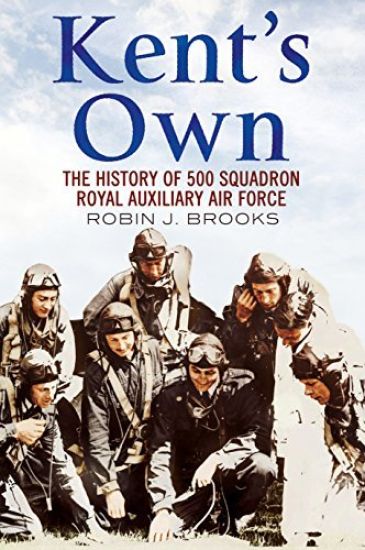
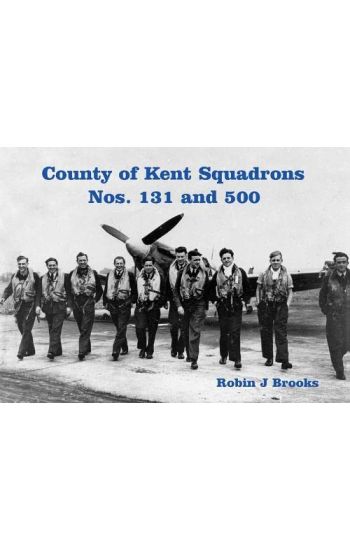
'Shrieking from the clouds, the Stukas achieved the measure of surprise they needed. The accuracy of the raid was good. Every runway was hit, the length of them just bomb craters, rock and earth. Fires were started in all the hangers eventually spreading to enormous proportions. As the operations room disappeared in one large explosion, the Station Commander fell dead with a piece of jagged concrete driven straight through his skull...' 500 Squadron was formed in 1930 at Manston in Kent. Initially recruited from Kent men and women, it became international when war broke out. The Battle Honours are the English Channel and North Sea, Dunkirk, Biscay Ports, Atlantic, North Africa, the Mediterranean and Italy. In peacetime, it won the coveted Cooper and Esher Trophy twice for the best performance in the auxiliary squadrons. Sadly, it fell victim to defence cuts in 1957 when allauxiliary squadrons were disbanded. The squadron may have disappeared from the Royal Air Force Order of Battle, but it will never be forgotten.Its history lies in the annals of the service and the fact that the Old Comrades Association of 500 Squadron holds an annual reunion at their ancestral home, RAF Manston in Kent.
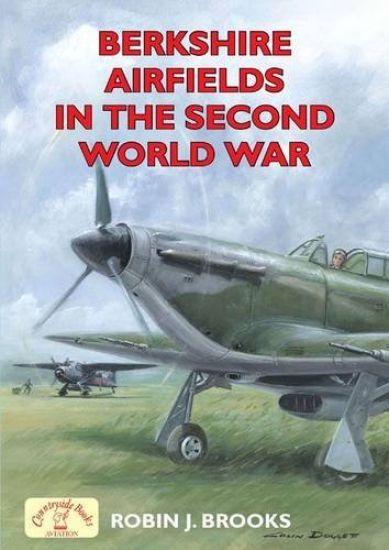
Robin Brook's action-packed book describes the military airfields of Berkshire during the last war, including Greenham Common, Membury, Welford, and White Waltham - headquarters of the legendary Air Transport Auxiliary.
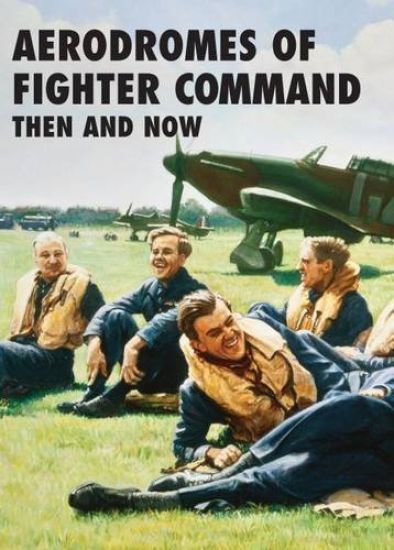
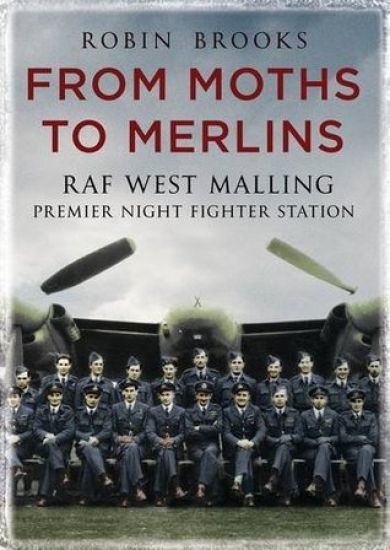
As a small club airfield during the 1930s, West Malling was very popular with flyers. Taken over by the RAF in 1939 it became a forward landing airfield to Biggin Hill. Unfinished by the time the Battle of Britain began, it played no operational part during the conflict. However, due to faulty German intelligence it was bombed on several occasions delaying completion even further. From 1941 it became the home of many night fighter squadrons within the umbrella of No. 11 Group, Fighter Command. During the Dieppe operation it became a forward base for day fighter squadrons after which it reverted to its primary role. One of the main anti-diver bases during the V1 campaign during 1944, it continued in its defensive role during peacetime until 1960 when the MOD leased the airfield to the American Navy. After two years it returned to the MOD who sold the site to the Kent County Council for development as an industrial park together with housing. This entailed all civil flying and Air Cadet gliding to cease despite much local opposition to the plans.