Kirjojen hintavertailu. Mukana 12 151 134 kirjaa ja 12 kauppaa.

Kirjailija

Robin L. Chazdon

Kirjat ja teokset yhdessä paikassa: 3 kirjaa, julkaisuja vuosilta 1996-2014, suosituimpien joukossa Tropical Forest Plant Ecophysiology. Vertaile teosten hintoja ja tarkista saatavuus suomalaisista kirjakaupoista.

3 kirjaa

Kirjojen julkaisuhaarukka 1996-2014.

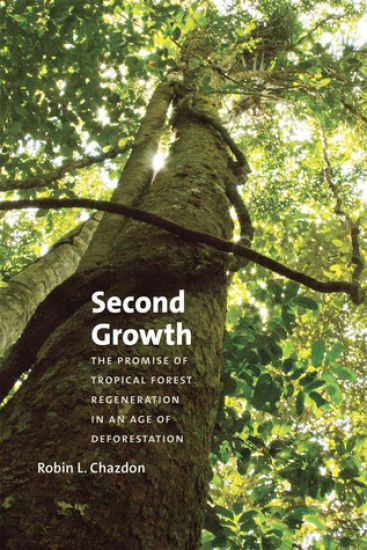
Second Growth

Second Growth

Robin L. Chazdon

University of Chicago Press
2014
nidottu
For decades, conservation and research initiatives in tropical forests have focused almost exclusively on old-growth forests because scientists believed that these "pristine" ecosystems housed superior levels of biodiversity. With Second Growth, Robin L. Chazdon reveals those assumptions to be largely false, bringing to the fore the previously overlooked counterpart to old-growth forest: second growth. Even as human activities result in extensive fragmentation and deforestation, tropical forests demonstrate a great capacity for natural and human-aided regeneration. Although these damaged landscapes can take centuries to regain the characteristics of old growth, Chazdon shows here that regenerating-or second-growth-forests are vital, dynamic reservoirs of biodiversity and enviornmental services. What is more, they always have been. With chapters on the roles these forests play in carbon and nutrient cycling, sustaining biodiversity, providing timber and non-timber products, and integrated agriculture, Second Growth not only offers a thorough and wide-ranging overview of successional and restoration pathways, but also underscores the need to conserve, and further study, regenerating tropical forests in an attempt to inspire a new age of local and global stewardship.
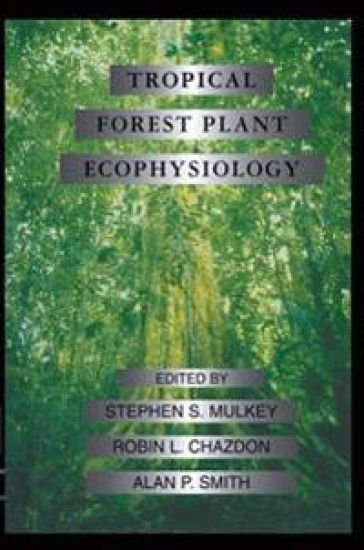
Tropical Forest Plant Ecophysiology

Tropical Forest Plant Ecophysiology

Stephen S. Mulkey; Robin L. Chazdon; Alan P. Smith

Springer-Verlag New York Inc.
2011
nidottu
Taking readers out of the laboratory and into the humid tropical forests, this comprehensive volume explores the most recent advances occurring in tropical plant ecophysiology. Drawing on the knowledge of leading practitioners in the field, this book synthesizes a broad range of information on the ways in which tropical plants adapt to their environment and demonstrate unique physiological processes. This book is arranged into four sections which cover resource acquisition, species interactions, ecophysiological patterns within and among tropical forest communities, and the ecophysiology of forest regeneration. These sections describe plant function in relation to ecology across a wide spectrum of tropical forest species and growth forms. How do different species harvest and utilize resources from heterogeneous tropical environments? How do patterns of functional diversity reflect the overwhelming taxonomic and morphological diversity of tropical forest plants? Such fundamental questions are examined in rich detail. To illuminate the discussions further, every chapter in this book features an agenda for future research, extensive cross referencing, timely references, and the integration of ecophysiology and the demography of tropical species where the data exist. Tropical Forest Plant Ecophysiology provides plant scientists, botanists, researchers, and graduate students with important insights into the behavior of tropical plants. Biologists and foresters interested in tropical ecology and plant physiological ecologists will also benefit from this authoritative and timely resource.
Tropical Forest Plant Ecophysiology

Tropical Forest Plant Ecophysiology

Stephen S. Mulkey; Robin L. Chazdon; Alan P. Smith

Chapman and Hall
1996
sidottu
Taking readers out of the laboratory and into the humid tropical forests, this comprehensive volume explores the most recent advances occurring in tropical plant ecophysiology. Drawing on the knowledge of leading practitioners in the field, this book synthesizes a broad range of information on the ways in which tropical plants adapt to their environment and demonstrate unique physiological processes. This book is arranged into four sections which cover resource acquisition, species interactions, ecophysiological patterns within and among tropical forest communities, and the ecophysiology of forest regeneration. These sections describe plant function in relation to ecology across a wide spectrum of tropical forest species and growth forms. How do different species harvest and utilize resources from heterogeneous tropical environments? How do patterns of functional diversity reflect the overwhelming taxonomic and morphological diversity of tropical forest plants? Such fundamental questions are examined in rich detail. To illuminate the discussions further, every chapter in this book features an agenda for future research, extensive cross referencing, timely references, and the integration of ecophysiology and the demography of tropical species where the data exist. Tropical Forest Plant Ecophysiology provides plant scientists, botanists, researchers, and graduate students with important insights into the behavior of tropical plants. Biologists and foresters interested in tropical ecology and plant physiological ecologists will also benefit from this authoritative and timely resource.