Kirjailija
Robin Wood
Kirjat ja teokset yhdessä paikassa: 39 kirjaa, julkaisuja vuosilta 1996-2020, suosituimpien joukossa Howard Hawks. Vertaile teosten hintoja ja tarkista saatavuus suomalaisista kirjakaupoista.
39 kirjaa
Kirjojen julkaisuhaarukka 1996-2020.

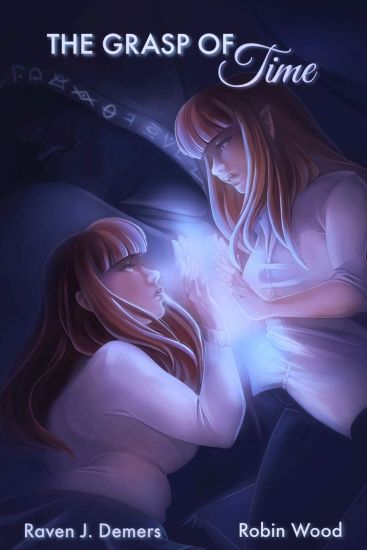
Eila Corbin returns to her own time and must find a magical oasis in the Drought or perish. She is brought into the hidden realms of the Forgotten, while continuing the illusion of an ordinary, human life-a life threatened by her prevailing obsession with recently-discovered artifacts that possess the power to shatter the world.Continue the saga of the Amakai in this new adult sequel to The Grasp of Time. Includes ten new coloring pages from two talented illustrators.
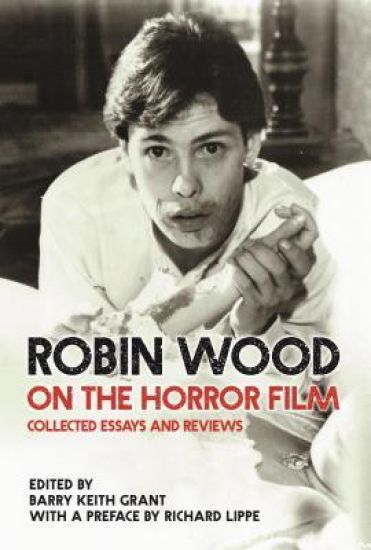
Robin Wood’s writing on the horror film, published over five decades, collected in one volume.Robin Wood—one of the foremost critics of cinema—has laid the groundwork for anyone writing about the horror film in the last half-century. Wood’s interest in horror spanned his entire career and was a form of popular cinema to which he devoted unwavering attention. Robin Wood on the Horror Film: Collected Essays and Reviews compiles over fifty years of his groundbreaking critiques.In September 1979, Wood and Richard Lippe programmed an extensive series of horror films for the Toronto International Film Festival and edited a companion piece: The American Nightmare: Essays on the Horror Film - the first serious collection of critical writing on the horror genre. Robin Wood onthe Horror Film now contains all of Wood’s writings from The American Nightmare and nearly everything else he wrote over the years on horror—published in a range of journals and magazines—gathered together for the first time. It begins with the first essay Wood ever published, ""Psychoanalysis of Psycho,"" which appeared in1960 and already anticipated many of the ideas explored later in his touchstone book, Hitchcock’s Films. The volume ends, fittingly, with, ""What Lies Beneath?"", written almost five decades later, an essay in which Wood reflects on the state of the horror film and criticism since the genre's renaissance in the 1970s. Wood's prose iseloquent, lucid, and convincing as he brings together his parallel interests in genre, authorship, and ideology.Deftly combining Marxist, Freudian, and feminist theory, Wood’s prolonged attention to classic and contemporary horror films explains much about the genre's meanings and cultural functions. Robin Wood on the Horror Film will be an essential addition to the library of anyone interested in horror, science fiction, and film genre.
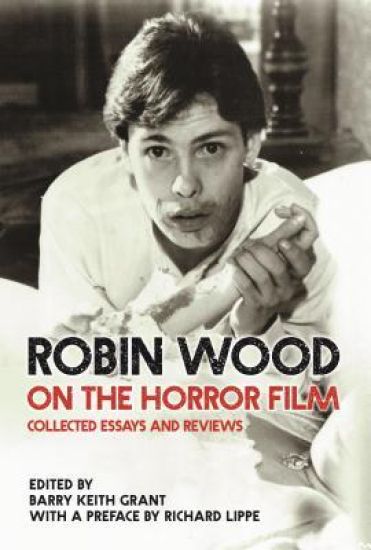
Robin Wood’s writing on the horror film, published over five decades, collected in one volume.Robin Wood—one of the foremost critics of cinema—has laid the groundwork for anyone writing about the horror film in the last half-century. Wood’s interest in horror spanned his entire career and was a form of popular cinema to which he devoted unwavering attention. Robin Wood on the Horror Film: Collected Essays and Reviews compiles over fifty years of his groundbreaking critiques.In September 1979, Wood and Richard Lippe programmed an extensive series of horror films for the Toronto International Film Festival and edited a companion piece: The American Nightmare: Essays on the Horror Film - the first serious collection of critical writing on the horror genre. Robin Wood onthe Horror Film now contains all of Wood’s writings from The American Nightmare and nearly everything else he wrote over the years on horror—published in a range of journals and magazines—gathered together for the first time. It begins with the first essay Wood ever published, ""Psychoanalysis of Psycho,"" which appeared in1960 and already anticipated many of the ideas explored later in his touchstone book, Hitchcock’s Films. The volume ends, fittingly, with, ""What Lies Beneath?"", written almost five decades later, an essay in which Wood reflects on the state of the horror film and criticism since the genre's renaissance in the 1970s. Wood's prose iseloquent, lucid, and convincing as he brings together his parallel interests in genre, authorship, and ideology.Deftly combining Marxist, Freudian, and feminist theory, Wood’s prolonged attention to classic and contemporary horror films explains much about the genre's meanings and cultural functions. Robin Wood on the Horror Film will be an essential addition to the library of anyone interested in horror, science fiction, and film genre.

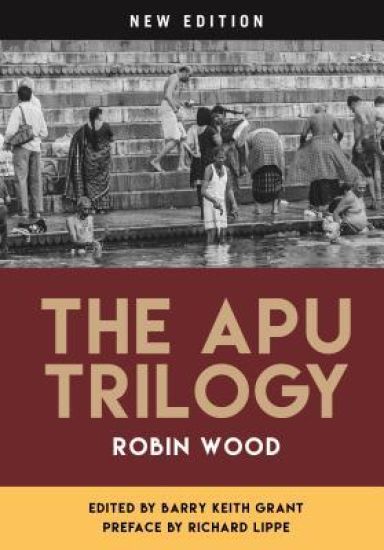
The Apu Trilogy is the fourth directorial monograph written by influential film critic Robin Wood and republished for a contemporary audience. Focusing on the famed trilogy from Indian director Satyajit Ray, Wood persuasively demonstrates his ability at detailed textual analysis, providing an impressively sustained reading that elucidates the complex view of life in the trilogy. Wood was one of our most insightful and committed film critics, championing films that explore the human condition. His analysis of The Apu Trilogy reveals and illuminates the films’ profoundly humanistic qualities with clarity and rigor, plumbing the psychological and emotional resonances that arise from Ray’s delicate balance of performance, camerawork, and visual design. Wood was the first English language critic to write substantively about Ray’s films, which made the original publication of his monograph on The Apu Trilogy unprecedented as well as impressive. Of late there has been a renewed interest in North America in the work of Satyajit Ray, yet no other critic has come close to equaling the scope and depth of Wood’s analysis.In his introduction, originally published in 1971, Wood says Ray’s work was met with indifference. In response, he offers possible reasons why this occurred, including social and cultural differences and the films’ slow pacing, which contemporary critics tended to associate with classical cinema. Wood notes Ray’s admiration for Western film culture, including the Hollywood cinema and European directors, particularly Jean Renoir and his realist films. Assigning a chapter to each Pather Panchali (1955), Aparajito (1957) and The World of Apu (1959), Wood goes on to explore each film more thoroughly. One of the aspects of this book that is particularly rewarding is Wood’s analytical approach to the trilogy as a whole, as well as detailed attention given to each of the three films. The book, with a new preface by Richard Lippe and foreword by Barry Keith Grant, functions as a masterclass on what constitutes an in-depth reading of a work and the use of critical tools that are relevant to such a task.Robin Wood’s The Apu Trilogy offers an excellent account of evaluative criticism that will appeal to film scholars and students alike.

Arthur Penn - director of The Miracle Worker, Bonnie and Clyde, Alice’s Restaurant and Little Big Man - was at the height of his career when Robin Wood’s analysis of the American director was originally published in 1969. Although Wood then considered Penn’s career only through Little Big Man, Arthur Penn remains the most insightful discussion of the director yet published. In this new edition, editor Barry Keith Grant presents the full text of the original monograph along with additional material, showcasing Wood’s groundbreaking and engaging analysis of the director.Of all the directors that Wood profiled, Penn is the only one with whom he developed a personal relationship. In fact, Penn welcomed Wood on the set of Little Big Man (1969), where he interviewed the director during production of the film and again years later when Penn visited Wood at home. Both interviews are included in this expanded edition of Arthur Penn, as are five other pieces written over a period of sixteen years, including the extended discussion of The Chase that was the second chapter of Wood’s later important book Hollywood from Vietnam to Reagan. The volume also includes a complete filmography and a foreword by Barry Keith Grant.The fourth classic monograph by Wood to be republished by Wayne State University Press, this volume will be welcomed by film scholars and readers interested in American cinematic and cultural history.
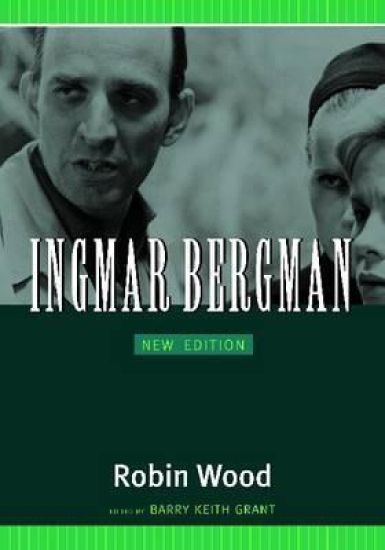
At a time when few reviewers and critics were taking the study of film seriously, Robin Wood released a careful and thoroughly cinematic commentary on Ingmar Bergman’s films that demonstrated the potential of film analysis in a nascent scholarly field. The original Ingmar Bergman influenced a generation of film scholars and cineastes after its publication in 1969 and remains one of the most important volumes on the director. This new edition of Ingmar Bergman, edited by film scholar Barry Keith Grant, contains all of Wood’s original text plus four later pieces on the director by Wood that were intended for a new volume that was not completed before Wood’s death in 2010. In analysing a selection of Bergman’s films, Wood makes a compelling case for the logic of the filmmaker’s development while still respecting and indicating the distinctiveness of his individual films. Wood’s emphasis on questions of value (What makes a work important? How does it address our lives?) informed his entire career and serve as the basis for many of these chapters. In the added material for this new edition, Wood considers three important films Bergman made after the book was first published—Cries and Whispers, Fanny and Alexander, and From the Life of the Marionettes—and also includes significant reassessment of Persona. These pieces provocatively suggest the more political directions Wood might have taken had he been able to produce Ingmar Bergman Revisited, as he had planned to do before his death. In its day, Ingmar Bergman was one of the most important volumes on the Swedish director published in English, and it remains compelling today despite the multitude of books to appear on the director since. Film scholars and fans of Bergman’s work will enjoy this updated volume.