Kirjojen hintavertailu. Mukana 12 152 606 kirjaa ja 12 kauppaa.

Kirjailija

Ron W. Germaine

Kirjat ja teokset yhdessä paikassa: 4 kirjaa, julkaisuja vuosilta 2019-2020, suosituimpien joukossa Improbable Connections: A Mayflower Story. Vertaile teosten hintoja ja tarkista saatavuus suomalaisista kirjakaupoista.

Mukana myös kirjoitusasut: Ron W Germaine

4 kirjaa

Kirjojen julkaisuhaarukka 2019-2020.

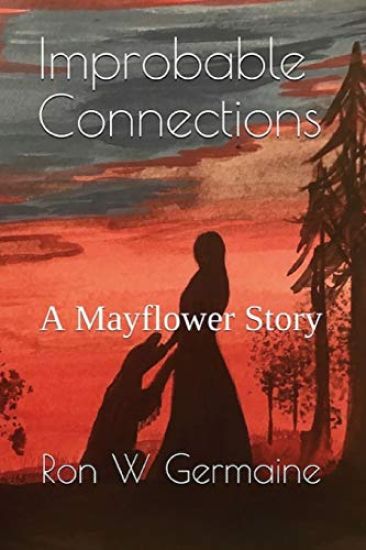
Improbable Connections: A Mayflower Story

Improbable Connections: A Mayflower Story

Ron W. Germaine

Dr. Ron W Germaine
2019
nidottu
This historical novel, set in the early 1600s describes the adventures of young Mayflower pilgrim, Elisabeth Tilley, who early in life became wise beyond her years as part of an ultimate immigration experience in which she moved from England to Holland and eventually America. The story also follows the enigmatic Native American Squanto, who was kidnapped from the Plymouth area, lived in England, returned to his homeland, and helped the Pilgrims survive in the New World; and the fictional Hurit, a daring and beautiful Native American girl who became best friends with Elisabeth in Plymouth. The story tells of Elisabeth's developing relationship with John Howland, whom she married before her 16th birthday. It is based on actual events that occurred in the early 1600s through 1623. Friendships and romances are woven together with politics, trade, and religious differences of the time, blending fact and fiction to tell an uplifting story of improbable connections.
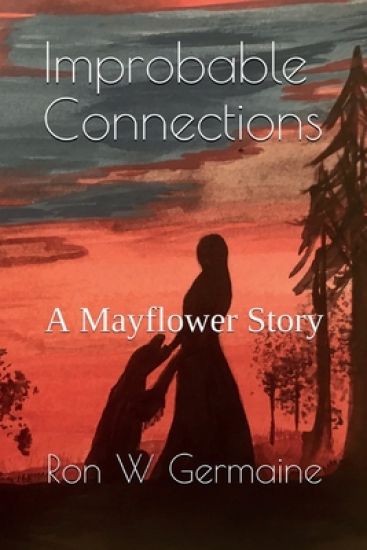
Improbable Connections

Improbable Connections

Ron W Germaine

Germaine Publishing
2020
pokkari
This historical novel, set in the early 1600s describes the adventures of young Mayflower pilgrim, Elisabeth Tilley, who early in life became wise beyond her years as part of an ultimate immigration experience in which she moved from England to Holland and eventually America. The story also follows the enigmatic Native American Squanto, who was kidnapped from the Plymouth area, lived in England, returned to his homeland, and helped the Pilgrims survive in the New World; and the fictional Hurit, a daring and beautiful young girl who became best friends with Elisabeth in Plymouth. The story tells of Elisabeth's developing relationship with John Howland, whom she married before her 16thbirthday. It is based on actual events that occurred in the early 1600s through 1623. Friendships and romances are woven together with politics, trade, and religious differences of the time, blending fact and fiction to tell an uplifting story of improbable connections.

A Concise Guide to Writing a Thesis or Dissertation

A Concise Guide to Writing a Thesis or Dissertation

Halyna M. Kornuta; Ron W. Germaine

Routledge
2019
nidottu
A Concise Guide to Writing a Thesis or Dissertation provides clear, succinct, and intentional guidelines about organizing and writing a thesis or dissertation. Part I provides an overview for writing a thesis or dissertation. It describes the big picture of planning and formatting a research study, from identifying a topic to focusing on writing quality. Part II describes the framework and substance of a research study. It models the pattern generally found in a formal, five-chapter research study. Each chapter of a thesis or dissertation has a specific purpose, and this book focuses on each in an easy-to-follow structure. Chapter One reviews the headings and contents expected in the introduction of a study. Chapter Two provides advice for writing a literature review. Chapter Three discusses what to include when describing the methodology. These first three chapters form the proposal section of a study. Two additional chapters present results (Chapter Four) and provide discussion and conclusions (Chapter Five). Appendices offer resources for instructors and students, including a rubric for evaluating writing, exercises to strengthen skills in APA format, sample purpose statements, a research planning organizer, and a guide for scholarly writing. The book is designed overall to be a practical guide and resource for students for their thesis or dissertation process. Note to readers: Due to publishing limitations, some of the titles within the book do not accurately conform with APA format. For precise APA format, please see the APA manual (2010, pp. 62-63), or refer to Table 1.1, (p. 8) or Table D.1 (p. 107) in this book.
A Concise Guide to Writing a Thesis or Dissertation

A Concise Guide to Writing a Thesis or Dissertation

Halyna M. Kornuta; Ron W. Germaine

Routledge
2019
sidottu
A Concise Guide to Writing a Thesis or Dissertation provides clear, succinct, and intentional guidelines about organizing and writing a thesis or dissertation. Part I provides an overview for writing a thesis or dissertation. It describes the big picture of planning and formatting a research study, from identifying a topic to focusing on writing quality. Part II describes the framework and substance of a research study. It models the pattern generally found in a formal, five-chapter research study. Each chapter of a thesis or dissertation has a specific purpose, and this book focuses on each in an easy-to-follow structure. Chapter One reviews the headings and contents expected in the introduction of a study. Chapter Two provides advice for writing a literature review. Chapter Three discusses what to include when describing the methodology. These first three chapters form the proposal section of a study. Two additional chapters present results (Chapter Four) and provide discussion and conclusions (Chapter Five). Appendices offer resources for instructors and students, including a rubric for evaluating writing, exercises to strengthen skills in APA format, sample purpose statements, a research planning organizer, and a guide for scholarly writing. The book is designed overall to be a practical guide and resource for students for their thesis or dissertation process. Note to readers: Due to publishing limitations, some of the titles within the book do not accurately conform with APA format. For precise APA format, please see the APA manual (2010, pp. 62-63), or refer to Table 1.1, (p. 8) or Table D.1 (p. 107) in this book.