Kirjailija
Ronald Carter
Kirjat ja teokset yhdessä paikassa: 37 kirjaa, julkaisuja vuosilta 1988-2022, suosituimpien joukossa Cambridge Grammar of English. Vertaile teosten hintoja ja tarkista saatavuus suomalaisista kirjakaupoista.
37 kirjaa
Kirjojen julkaisuhaarukka 1988-2022.
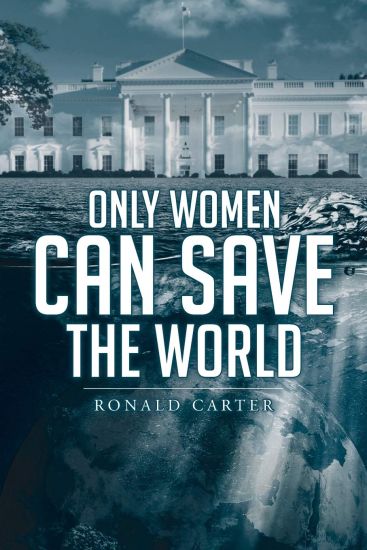
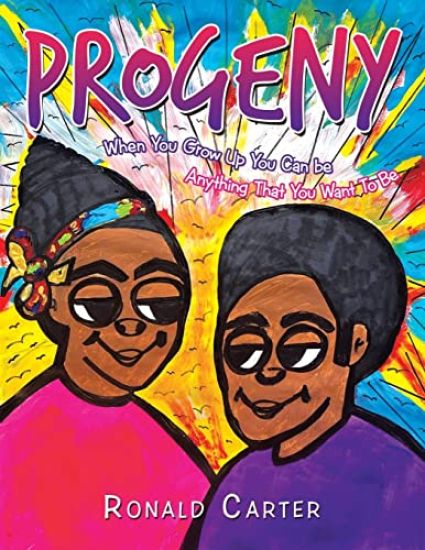
As a child growing up in Philadelphia, I always wondered what I wanted to be when I became an adult. I had watched so much television depicting African Americans having menial job positions. Then I began to realize that the answer was right in front of me. It could've bitten me if it was a snake. I also watched many programs on television showcasing African American men and women in the sports industry and also as actors and actresses. As I became more of age, I began to see members of my community practicing medicine, becoming writers, and becoming scientists, including many of them involved in the political arena of government. Later, I came to the realization that my community was involved in all aspects of the job force in the United States. I always wanted, at some point in my young life, to become a firefighter. That dream became a reality at age eighteen. I also became a poet, musician, and history interpreter. I also came to realize that if a young person set his or her mind to it, he or she could become anything he or she wanted to be. That is the point of this book-to show young African American children, both male and female, that with imagination and creativity, they can become whatever they want to be if they have the desire to do so, with the support of family, friends, and others.
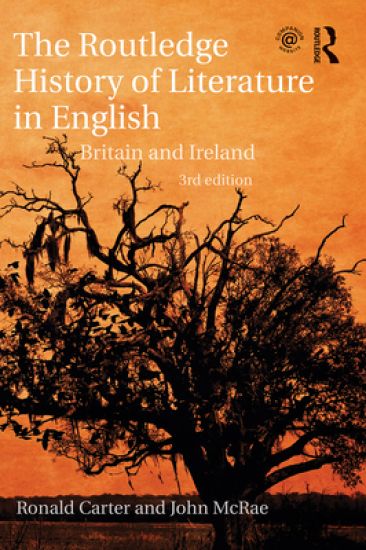
The Routledge History of Literature in English
Ronald Carter; John McRae
Taylor Francis Ltd
2021
nidottu
The Routledge History of Literature in English covers the main developments in the history of British and Irish literature, with accompanying language notes which explore the interrelationships between language and literature at each stage. With a span from AD 600 to the present day, it emphasises the growth of literary writing, its traditions, conventions and changing characteristics, and includes literature from the margins, both geographical and cultural. Extensive quotations from poetry, prose and drama underpin the narrative.The third edition covers recent developments in literary and cultural theory, and features:a new chapter on novels, drama and poetry in the 21st century;examples of analysis of key texts drawn from across the history of British and Irish literature, including material from Chaucer, Shakespeare, John Keats and Virginia Woolf; an extensive companion website including extra language notes and key text analysis; lists of Booker, Costa and Nobel literature prize winners; and an A-Z of authors and topics.The Routledge History of Literature in English is an invaluable reference for any student of English literature and language.
Just what is Standard English? Is it correct English? Should grammar be taught?The answers to such questions invariably provoke controversy. In this handy A to Z guide to language and literacy, Ronald Carter unpicks the meaning of key terms like `proper English', `real books', `text', and `discourse', and the ways in which concepts are used - and abused - by teachers, politicians, linguists, journalists and employers.Each concise definition is cross-referenced, and supported by extensive examples and by references to further reading. Designed as a dictionary, but possessing an encyclopedic range, Keywords in Language and Literacy, provides an invaluable guide to the debates surrounding language and literacy. An indispensible book for all teachers and students of language and education, and anyone interested in the place of language in schools.
This second edition of The Penguin Guide to Literature in English: Britain and Ireland provides an illustrated introduction to the work of the most important writers and their historical background from the year 600 to the end of the twentieth century. It covers the works of novelists, dramatists and poets from Chaucer to Shakespeare, Austen to Dickens, James Joyce to Seamus Heaney, right through to modern-day authors such as Jeanette Winterson, Roddy Doyle and Irvine Welsh.
The Routledge History of Literature in English covers the main developments in the history of British and Irish literature, with accompanying language notes which explore the interrelationships between language and literature at each stage. With a span from AD 600 to the present day, it emphasises the growth of literary writing, its traditions, conventions and changing characteristics, and includes literature from the margins, both geographical and cultural. Extensive quotations from poetry, prose and drama underpin the narrative.The third edition covers recent developments in literary and cultural theory, and features:a new chapter on novels, drama and poetry in the 21st century;examples of analysis of key texts drawn from across the history of British and Irish literature, including material from Chaucer, Shakespeare, John Keats and Virginia Woolf; an extensive companion website including extra language notes and key text analysis; lists of Booker, Costa and Nobel literature prize winners; and an A-Z of authors and topics.The Routledge History of Literature in English is an invaluable reference for any student of English literature and language.
Language, Literature and the Learner is an edited volume evolving from three international seminars devoted to the teaching of literature in a second or foreign language. The seminars explicitly addressed the interface between language and literature teaching to investigate the ways in which literature can be used as a resource for language growth at secondary, intermediate and upper-intermediate level.This book presents the reader with a practical classroom-based guide to how the teaching of language and literature, until recently seen as two distinct subjects within the English curriculum, can be used as mutually supportive resources within the classroom. Through essays and case studies it reports on the most recent developments in classroom practice and methodology and suggests ways in which the curriculum could be reshaped to take advantage of this integrated approach.The text will be essential reading for students undertaking PGCE, TESOL/MA, UCLES, CTEFLA, RSA and Teachers' Diploma courses worldwide. Students of applied linguistics, those on stylistics courses and undergraduates studying English language will welcome it as accessible supplementary reading.
The material in this book reviews work dating back to the vocabulary control movement in the 1930s and also refers to more recent work on the role of lexis in language learning. Two chapters describe the main foundations of lexical semantics and relevant research and pedagogical studies in vocabulary and lexicography; and a further chapter discusses recent advances in the field of lexis and discourse analysis. There is also a series of specially commissioned articles which investigate the structure and functions of the modern English lexicon in relation to its exploitation for classroom vocabulary teaching.
In this book Michael McCarthy and Ronald Carter describe the discoursal properties of language and demonstrate what insights this approach can offer to the student and teacher of language. The authors examine the relationship between complete texts, both spoken and written, and the social and cultural contexts in which they function. They argue that the functions of language are often best understood in a discoursal environment and that exploring language in context compels us to revise commonly-held understandings about the forms and meanings of language. In so doing, the authors argue the need for language teachers, syllabus planners and curriculum organisers to give greater attention to language as discourse.
This accessible satellite textbook in the Routledge Intertext series is unique in offering students hands-on practical experience of textual analysis focused on speech and writing. Written in a clear, user-friendly style, it combines practical activities with texts, accompanied by commentaries and suggestions for further study. It can be used individually or in conjunction with the series core textbook Working With Texts: A core introduction to language analysis.Aimed at A and AS Level and beginning undergraduate students, the Language of Speech and Writing:* Analyses the processes involved in writing and speaking* Highlights the differences between these two modes of communication* Explores written texts from recipes to legal language, spoken texts from telephone conversations to interviews and mixed-mode texts from email to adverts* Compares and contrasts spoken and written texts on the same theme
Language and Creativity has become established as a pivotal text for courses in English Language, Linguistics and Literacy. Creativity in language has conventionally been regarded as the preserve of institutionalised discourses such as literature and advertising, and individual gifted minds. In this ground-breaking book, bestselling author Ronald Carter explores the idea that creativity, far from being simply a property of exceptional people, is an exceptional property of all people. Drawing on a range of real examples of everyday conversations and speech, from flatmates in a student house and families on holiday to psychotherapy sessions and chat-lines, the book argues that creativity is an all-pervasive feature of everyday language. Using close analysis of naturally occurring language, taken from a unique 5 million word corpus, Language and Creativity reveals that speakers commonly make meanings in a variety of creative ways, in a wide range of social contexts and for a diverse set of reasons. This Routledge Linguistics Classic is here reissued with a new preface from the author, covering a range of key topics from e-language and internet discourse to English language teaching and world Englishes. Language and Creativity continues to build on the previous theories of creativity, offering a radical contribution to linguistic, literary and cultural theory. A must for anyone interested in the creativity of our everyday speech.
How to Analyse Texts is the essential introductory textbook and toolkit for language analysis. This book shows the reader how to undertake detailed, language-focussed, contextually sensitive analyses of a wide range of texts – spoken, written and multimodal. The book constitutes a flexible resource which can be used in different ways across a range of courses and at different levels.This textbook includes: three parts covering research and study skills, language structure and use, and how texts operate in sociocultural contexts a wide range of international real-life texts, including items from South China Morning Post, art’otel Berlin and Metro Sweden, which cover digital and print media, advertising, recipes and much more objectives and skill review for each section, activities, commentaries, suggestions for independent assignments, and an analysis checklist for students to follow a combined glossary and index and a comprehensive further reading section a companion website at www.routledge.com/cw/goddard with further links and exercises for students. Written by two experienced teachers of English Language, How to Analyse Texts is key reading for all students of English language and linguistics.
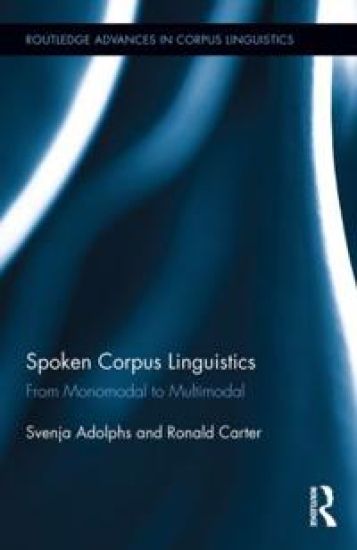
In this book, Adolphs and Carter explore key approaches to work in spoken corpus linguistics. The book discusses some of the pioneering challenges faced in designing, building and utilising insights from the analysis of spoken corpora, arguing that, even though writing is heavily privileged in corpus research, the spoken language can reveal patterns of language use that are both different and distinctive and that this has important implications for the way in which language is described, for the study of human communication and for the field of applied linguistics as a whole. Spoken Corpus Linguistics is divided into two main parts. The first part sets the scene by discussing traditional and new approaches to monomodal spoken corpus analysis, with a focus on discourse organisation and conversational interaction and with particular attention to forms of language such as discourse markers and multi-word units, areas of language not conventionally described but which are argued to be of importance to spoken language description and to spoken language learning and teaching research within the field of applied linguistics. The second part of the book moves into the multimodal domain and focuses on alignments between language and gesture in a spoken corpus, with particular reference to gestural movements of the head and the hand and to the different ways in which prosody might be used to enhance communication. A brief final chapter discusses new developments in the area of spoken corpus research, including the relationship between language and context, emerging research methods as well as discussing possible shifts in scope and emphasis in spoken corpus research in the future.
How do we teach and learn vocabulary? How do words work in literary texts? In this book, Ronald Carter provides the necessary basis for the further study of modern English vocabulary with particular reference to linguistic descriptive frameworks and educational contexts. Vocabulary: Applied Linguistic Perspectives includes an introductory account of linguistic approaches to the analysis of the modern lexicon in English and discusses key topics such as vocabulary and language teaching, dictionaries and lexicography and the literary, stylistic study of vocabulary. This Routledge Linguistics Classic includes a substantial new introductory chapter situating the book in the current digital age, covering changes and developments in related fields from lexicography and corpus linguistics to vocabulary testing and assessment as well as additional new references.Vocabulary: Applied Linguistic Perspectives has been widely praised since first publication for the breadth, depth and clarity of its approach and is a key text for postgraduate students and researchers studying vocabulary within the fields of English Language, Applied Linguistics and Education.
Creativity in Language and Literature
Joan Swann; Robert Pope; Ronald Carter
Red Globe Press
2011
nidottu
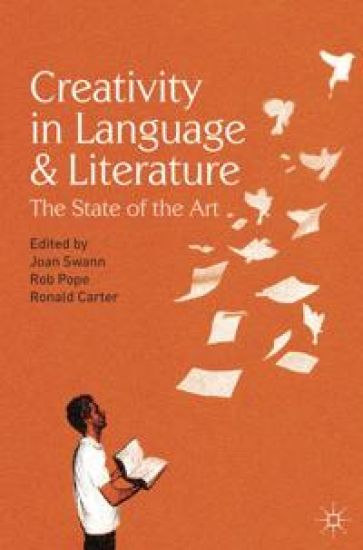
"Creativity in Language and Literature is a provocative and valuable book. Its breadth of topics, variety of approaches, and self-consciously creative and dialogic nature are especially appropriate and creative ways of approaching the subject of creativity. The scope, variety and original content of this book make it a unique contribution to the field" - Professor David L. Hoover, New York University, USAThis unique resource brings together contributions from creative practitioners and academic researchers working across different disciplines. Researchers, literary authors, editors, performers and film makers reflect on their work and collectively explore the art of creativity in language and literature.Creativity in Language and Literature covers a range of texts, genres and practices, such as poetry, hip hop, film, story telling, web chat and pen-friend correspondence. Each part of the book begins with an introduction and the final part includes critical responses to the idea of linguistic creativity, encouraging ongoing dialogue and debate. This richly diverse collection is an ideal text for students and practitioners working at all levels.With contributions by Patience Agbabi, Daniel Allington, R. Amritavalli, Richard D. Brown, Lynne Cameron, Ronald Carter, Guy Cook, Jon Cook, Ruth Finnegan, Angela Goddard, Ben Haggarty, Graeme Harper, G. D. Jayalakshmi, Angel Lin, Janet Maybin, Rukmini Bhaya Nair, Kate Pahl, Mario Petrucci, Rob Pope, Elena Semino, Fiona Sampson, Jane Spiro, Peter Stockwell, Joan Swann, S. Upendran and Michelene Wandor.
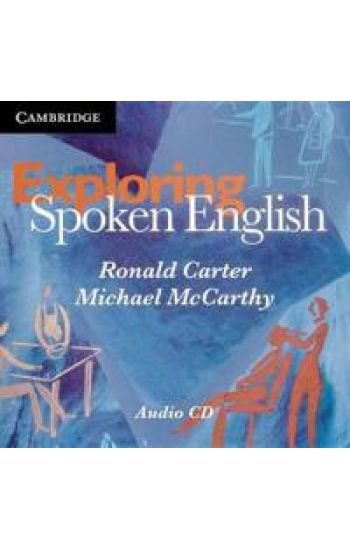
Exploring Spoken English Audio CDs (2)
Ronald Carter; Michael McCarthy
Cambridge University Press
2010
cd
A practical, insightful exploration of natural spoken English based on 20 varied authentic extracts. A practical, insightful exploration of natural spoken English based on 20 varied authentic extracts. Exploring Spoken English is a practical guide to the features of natural spoken English, designed for teachers and advanced learners of English for use in groups and for self-study. These audio CDs which accompany the book (sold separately) consist of 20 varied extracts of authentic spoken English drawn from the Cambridge University Press and University of Nottingham corpus of spoken English.