Kirjailija
Ronald D. Cohen
Kirjat ja teokset yhdessä paikassa: 15 kirjaa, julkaisuja vuosilta 1995-2021, suosituimpien joukossa Woody Guthrie. Vertaile teosten hintoja ja tarkista saatavuus suomalaisista kirjakaupoista.
Mukana myös kirjoitusasut: Ronald D Cohen
15 kirjaa
Kirjojen julkaisuhaarukka 1995-2021.
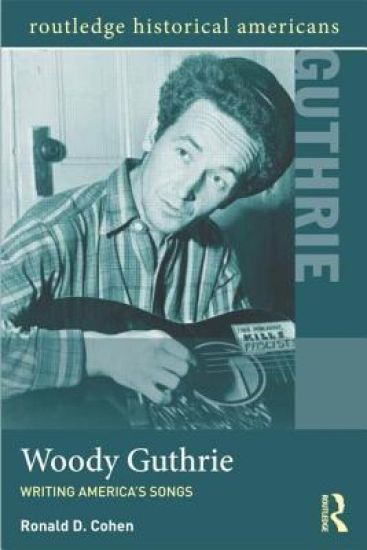
Woody Guthrie is the most famous and influential folk music composer and performer in the history of the United States. His most popular song, "This Land is Your Land" has become the country's unofficial national anthem, known to every school child since the 1960s. His influence exceeded the realm of American music, reaching American politics. Guthrie’s music became the soundtrack to the Great Depression, and iconic of the Dust Bowl migrants. Guthrie and his music came to represent those disenfranchised people who remained committed to making better lives for themselves through the promise of the American Dream.Here, in a short, accessible biography, bolstered with primary documents, including letters, autobiographical excerpts, and reflections by Pete Seeger, Cohen introduces Guthrie’s life and music influence to students of American history and culture.
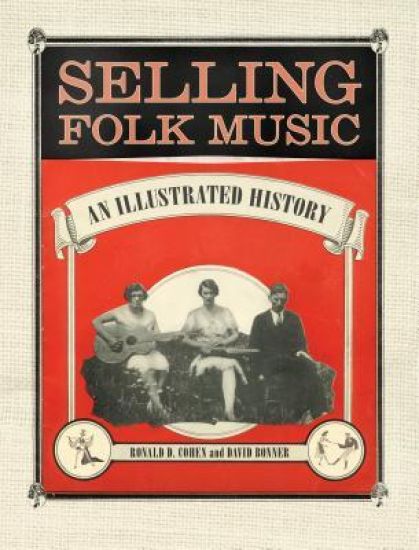
Selling Folk Music: An Illustrated History highlights commercial sources that reveal how folk music has been packaged and sold to a broad, shifting audience in the United States. Folk music has a varied and complex scope and lineage, including the blues, minstrel tunes, Victorian parlor songs, spirituals and gospel tunes, country and western songs, sea shanties, labor and political songs, calypsos, pop folk, folk-rock, ethnic, bluegrass, and more. The genre is of major importance in the broader spectrum of American music, and it is easy to understand why folk music has been marketed as America's music.Selling Folk Music presents the public face of folk music in the United States via its commercial promotion and presentation throughout the twentieth century. Included are concert flyers; sheet music; book, songbook, magazine, and album covers; concert posters and flyers; and movie lobby cards and posters, all in their original colors. The 1964 hootenanny craze, for example, spawned such items as a candy bar, pinball machine, bath powder, paper dolls, Halloween costumes, and beach towels.The almost five hundred images in Selling Folk Music present a new way to catalog the history of folk music while highlighting the transformative nature of the genre. Following the detailed introduction on the history of folk music, illustrations from commercial products make up the bulk of the work, presenting a colorful, complex history.
Selling Folk Music: An Illustrated History highlights commercial sources that reveal the process of how folk music has been packaged and sold to a broad, shifting audience in the United States. Folk music has a varied and complex scope and lineage, including the blues, minstrel tunes, Victorian parlor songs, spirituals and gospel tunes, country and western songs, sea shanties, labor and political songs, calypsos, pop folk, folk-rock, ethnic, bluegrass, and more. The genre is of major importance in the broader spectrum of American music, and it is easy to understand why folk music has been marketed as America’s music.Selling Folk Music presents the public face of folk music in the United States through its commercial promotion and presentation through much of the twentieth century. Included are concert flyers; sheet music; book, songbook, magazine, and album covers; concert posters and flyers; and movie lobby cards and posters, all in their original colors. The 1964 hootenanny craze, for example, spawned such items as a candy bar, pinball machine, bath powder, paper dolls, Halloween costumes, and beach towels. The almost five hundred images in Selling Folk Music present a new way to catalog the history of folk music while highlighting the transformative nature of the genre. Following the detailed introduction on the history of folk music, illustrations from commercial products make up the bulk of the work, presenting a colorful, complex history of folk music.
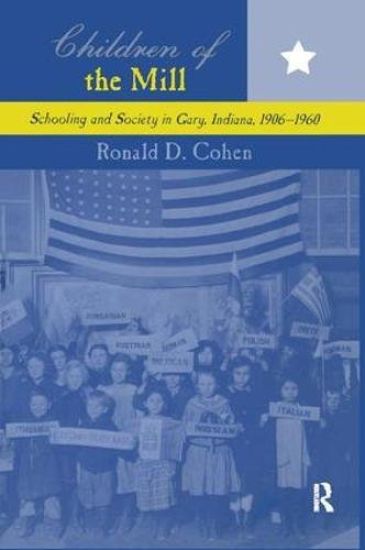
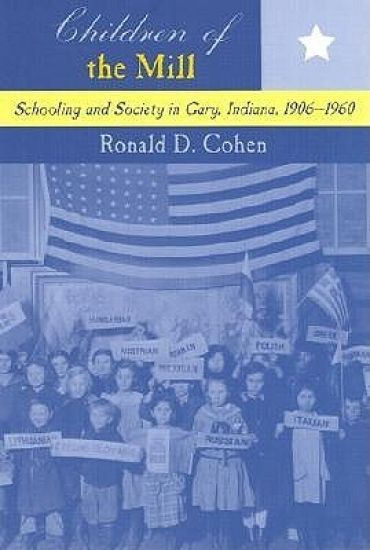
Gary, Indiana was founded in 1906, and was part of the US Steel Corporation's plan to build the world's largest steel mill. The city's school system became world-famous as a progressive educational experiment until the 1930s when a changing political and economic climate led to an erosion of the system, which faced a serious overcrowding crisis in the 1950s. Blending social and intellectual history, Ronald Cohen examines the economic, political, and cultural context of the unique educational experience developed in this urban industrial center. Cohen demonstrates that while various interest groups - local as well as national - helped mold educational policies and practices, the Gary schools operated within the framework of corporate capitalism. Despite their early experimental nature, the Gary schools exemplified the rise of mass education in a multi-racial, multi-ethnic, class structure and urban setting.
Wars have dominated the history of the United States since its founding, but there has also been a long history of antiwar activity. Peace songs have emerged out of every military conflict involving the United States. "Singing for Peace" vividly portrays this rich antiwar history, beginning in the eighteenth century and continuing into the twenty-first.Most of the twentieth-century output was dominated by folk groups and acoustic singer-songwriters. The Vietnam War saw the increased dovetailing of folk and rock music, so that rock and folk-rock took on an ever-larger share of protest activity, then punk, metal, hip-hop, and rap. The authors draw upon a wide range of primary and secondary sources, while quoting many popular and lesser-known song lyrics, and including a range of photos and illustrations. These songs have long served to both shape and reveal the feelings of citizens opposed to America s wars."
Roots of the Revival
Ronald D Cohen; Rachel Clare Donaldson
University of Illinois Press
2014
sidottu
In Roots of the Revival: American and British Folk Music in the 1950s, Ronald D. Cohen and Rachel Clare Donaldson present a transatlantic history of folk's midcentury resurgence that juxtaposes the related but distinct revivals that took place in the United States and Great Britain. After setting the stage with the work of music collectors in the nineteenth century, the authors explore the so-called recovery of folk music practices and performers by Alan Lomax and others, including journeys to and within the British Isles that allowed artists and folk music advocates to absorb native forms and facilitate the music's transatlantic exchange. Cohen and Donaldson place the musical and cultural connections of the twin revivals within the decade's social and musical milieu and grapple with the performers' leftist political agendas and artistic challenges, including the fierce debates over "authenticity" in practice and repertoire that erupted when artists like Harry Belafonte and the Kingston Trio carried folk into the popular music mainstream. From work songs to skiffle, from the Weavers in Greenwich Village to Burl Ives on the BBC, Roots of the Revival offers a frank and wide-ranging consideration of a time, a movement, and a transformative period in American and British pop culture.
Roots of the Revival
Ronald D Cohen; Rachel Clare Donaldson
University of Illinois Press
2014
nidottu
In Roots of the Revival: American and British Folk Music in the 1950s, Ronald D. Cohen and Rachel Clare Donaldson present a transatlantic history of folk's midcentury resurgence that juxtaposes the related but distinct revivals that took place in the United States and Great Britain. After setting the stage with the work of music collectors in the nineteenth century, the authors explore the so-called recovery of folk music practices and performers by Alan Lomax and others, including journeys to and within the British Isles that allowed artists and folk music advocates to absorb native forms and facilitate the music's transatlantic exchange. Cohen and Donaldson place the musical and cultural connections of the twin revivals within the decade's social and musical milieu and grapple with the performers' leftist political agendas and artistic challenges, including the fierce debates over "authenticity" in practice and repertoire that erupted when artists like Harry Belafonte and the Kingston Trio carried folk into the popular music mainstream. From work songs to skiffle, from the Weavers in Greenwich Village to Burl Ives on the BBC, Roots of the Revival offers a frank and wide-ranging consideration of a time, a movement, and a transformative period in American and British pop culture.
Woody Guthrie is the most famous and influential folk music composer and performer in the history of the United States. His most popular song, "This Land is Your Land" has become the country's unofficial national anthem, known to every school child since the 1960s. His influence exceeded the realm of American music, reaching American politics. Guthrie’s music became the soundtrack to the Great Depression, and iconic of the Dust Bowl migrants. Guthrie and his music came to represent those disenfranchised people who remained committed to making better lives for themselves through the promise of the American Dream.Here, in a short, accessible biography, bolstered with primary documents, including letters, autobiographical excerpts, and reflections by Pete Seeger, Cohen introduces Guthrie’s life and music influence to students of American history and culture.
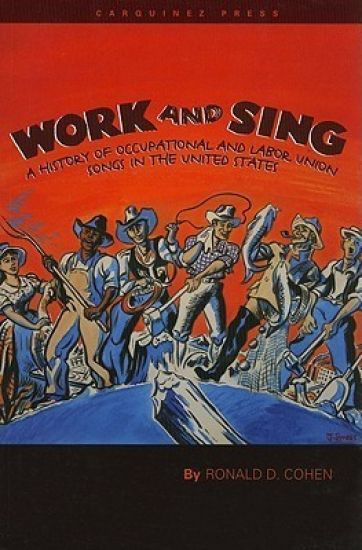
In this wide-ranging and accessible survey of American labor songs, Ronald D. Cohen chronicles the history behind the work songs of cowboys, sailors, hoboes, and others, as well as the singing culture of groups ranging from the Industrial Workers of the World to Pete Seeger's "People's Songs." He discusses protest songs, the links between labor songs and the Left, the importance of labor song leaders such as Joe Glazer, labor musicals and songsters, and the folk music movement from Lead Belly and the Almanac Singers through Woody Guthrie.
A History of Folk Music Festivals in the United States
Ronald D. Cohen; Norm Cohen
Scarecrow Press
2008
nidottu
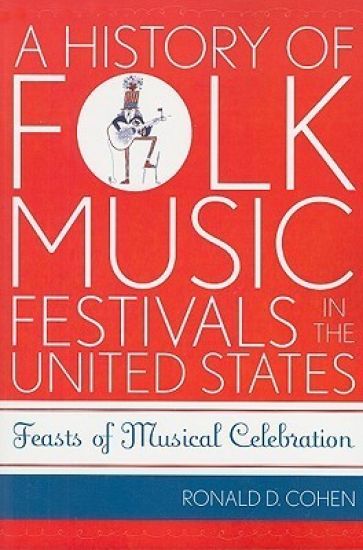
In A History of Folk Music Festivals in the United States: Feasts of Musical Celebration, Ronald D. Cohen presents a comprehensive narration of folk music festivals in America, providing details on events both large and small from the 19th century to the present. Cohen discusses events like the Newport, Philadelphia, University of Chicago, and National Folk Festivals, describing and analyzing long-running as well as short-lived festivals throughout the country and covering a dizzying array of musical styles, including blues, Cajun, Irish, klezmer, women's, bluegrass, gospel, country, singer-songwriters, and world. Cohen draws on a wide range of primary and secondary sources to create a detailed description of these exciting "feasts of musical celebration," capturing the nature and variety of the festivals and fully expressing this vital part of the development of folk music. Studying these events brings a truly national perspective to our understanding of folk music and provides important insights into their social, cultural, musical, and even political contexts. This account of folk music festivals in America is vital to folklorists, ethnomusicologists, U.S. historians, and readers with an interest in folk music and its history.
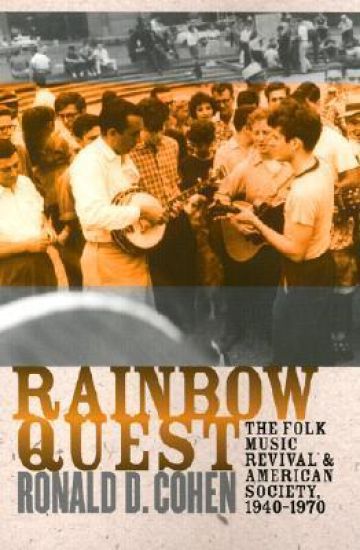
A well-researched history of the folk music boom in America traces three decades of blues and hillbilly music that reshaped the popular music scene in America.
Gary, Indiana was founded in 1906, and was part of the US Steel Corporation's plan to build the world's largest steel mill. The city's school system became world-famous as a progressive educational experiment until the 1930s when a changing political and economic climate led to an erosion of the system, which faced a serious overcrowding crisis in the 1950s. Blending social and intellectual history, Ronald Cohen examines the economic, political, and cultural context of the unique educational experience developed in this urban industrial center. Cohen demonstrates that while various interest groups - local as well as national - helped mold educational policies and practices, the Gary schools operated within the framework of corporate capitalism. Despite their early experimental nature, the Gary schools exemplified the rise of mass education in a multi-racial, multi-ethnic, class structure and urban setting.
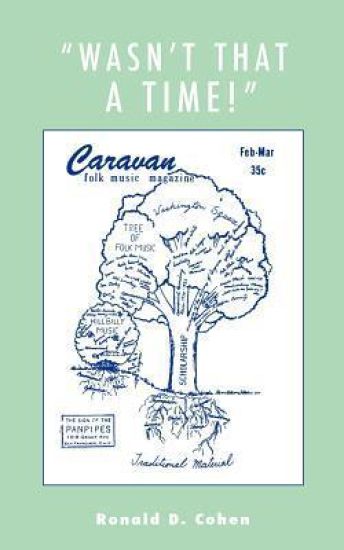
In May 1991 the Richard Reuss Memorial Folk Music Conference, the first of its kind, was held at Indiana University in Bloomington. For two days a stellar gathering of folk music performers, scholars, journalists, and activists discussed their memories of the folk music revival in the United States during the 1950s and 1960s. These presentations, now substantially revised and published for the first time, give an exciting overview of the revival from a variety of important and stimulating perspectives. Various key performers and folklorists give personal accounts of the time, while Irwin Sibler (editor of Sing Out!) and Jon Pankake and Barry Hansen (editors of The Little Sandy Review) discuss the development and role of the leading folk music magazines. These essays retain the idiosyncrasies of the original presentations, while giving multiple insights and understandings of the folk music revival, a crucial cultural and musical moment in recent U.S. history, as well as racial, gender, and political differences within the revival, popular versus traditional folk music styles, and much more. Scholars and students of folk music and popular music of the 1950s and 1960s, as well as those interested in American popular culture in general, will benefit from these wide-ranging and stimulating essays. Cloth edition [0-8108-2955-X] previously published in 1995.