Kirjojen hintavertailu. Mukana 12 390 323 kirjaa ja 12 kauppaa.
Kirjailija
Ronald E. Hallett
Kirjat ja teokset yhdessä paikassa: 9 kirjaa, julkaisuja vuosilta 2011-2025, suosituimpien joukossa Creating a Campus-Wide Culture of Student Success. Vertaile teosten hintoja ja tarkista saatavuus suomalaisista kirjakaupoista.
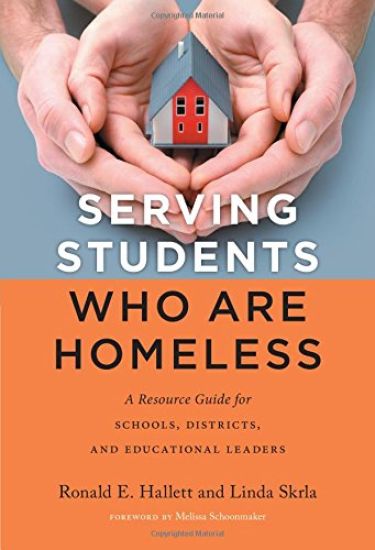
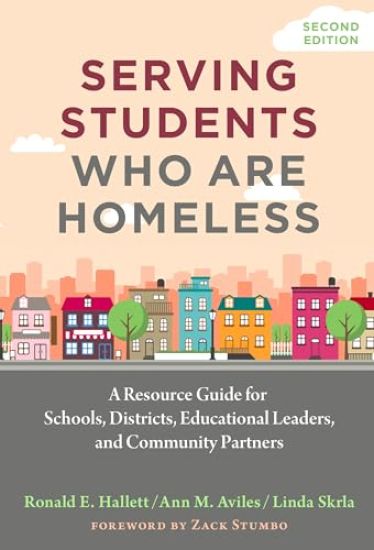
This popular book is an important professional development tool for practitioners and an essential textbook for teacher, administrator, and school counselor degree programs. This new edition of Serving Students Who Are Homeless provides updated guidance to help P–2 educators support students who face significant barriers affecting school access and success due to homelessness and housing insecurity. Taking a solutions-oriented approach, the authors include resources for educators and leaders working at school sites, as well as the district-, county-, and state-level educators that support the implementation of promising practices. For the second edition, the authors add resources and activities based on lessons learned from current research and feedback from schools and districts that use this book for professional development. Expanded applications-to-practice sections appear at the end of each chapter. Also new to this edition, author Ann Aviles brings deeper insights into how schools and districts can more effectively collaborate with community and social service organizations. Book Features: Guidance related to interpreting federal mandates and implementing promising practices within the local context. Resources and activities to run a professional learning community or book study.Additional support for leveraging community partnerships to support students and families.Case studies that include the voices of students, families, educators, and leaders.Exploration of how to engage with key social issues that are currently volatile within the political context that educators, schools, districts and boards navigate. New tools in the appendix to encourage educators to reflect on their practice and make better decisions about how to support students and families experiencing homelessness.
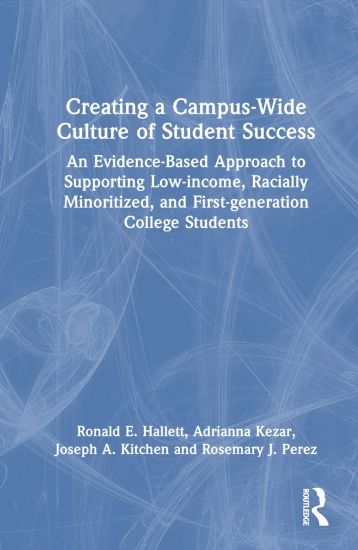
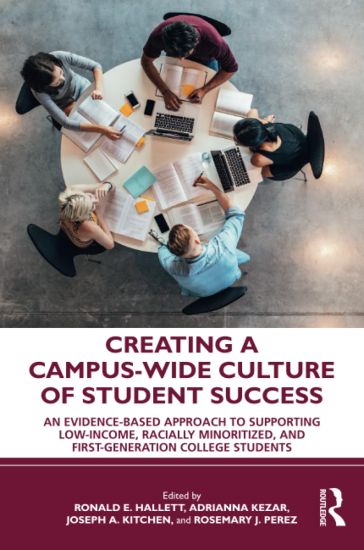
Offering a new approach to institutional practices, this book describes evidence-based strategies to create a campus culture conducive to truly supporting all students. We are at a critical crossroads in higher education, where large numbers of low-income, racially minoritized, and first-generation college students – referred to in this book as "at-promise students" – are attending college in greater numbers than ever, yet access has not translated to significantly improved retention and graduation rates. This book, therefore, proposes a realignment of existing initiatives to create campus-wide support through a new model of coordination.The ideas presented in this book are the culmination of one of the largest studies of comprehensive college support programs for at-promise students. Chapters include illustrations of the key concepts and promising practices of the Promoting At-promise Student Success (PASS) Project, as well as guiding questions that can be used to facilitate conversations on campus. In this helpful resource, the authors address how student supports are delivered in validating ways, rather than focusing solely on what supports are offered, as has typically been the way institutions address the issues that at-promise students face.This book is intended to provide guidance and support to educators who want to be a part of changing how higher education supports at-promise students toward increased equity.
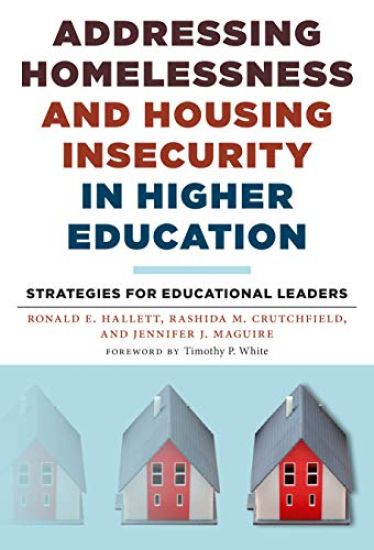
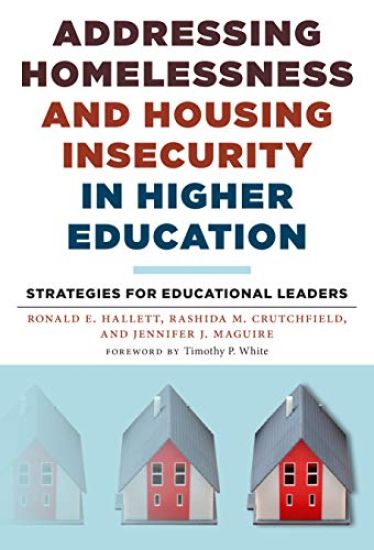
Topics include trauma-informed frameworks, policies affecting homelessness and housing insecurity, transitioning to college, supporting college retention, collaborations and partnerships, and transitioning to life after college. This practical resource can be used as a professional development tool for student affairs, academic affairs, health and wellness centers, and other campus-based support services.
Schools and districts are seeing unprecedented numbers of students and families living without residential stability. Although the McKinney-Vento Act has been around for over two decades, many district- and site-level practitioners have a difficult time interpreting and implementing the Act’s mandates within their local contexts. This book provides much-needed guidance to help educational leaders support students who are homeless and highly mobile students who face significant barriers related to access and academic success. The authors employ several different strategies to help translate complex state and federal policies into effective practices. They include policy analysis, examples of successful approaches, tools for training staff, youth experiences, and address the role of school districts in serving marginalized students. Serving Students Who Are Homeless can be used as a professional development tool at the local and district level, and as a textbook in higher education settings that prepare entry-level and advanced-credential administrators, counselors, school psychologists, and curriculum leaders.
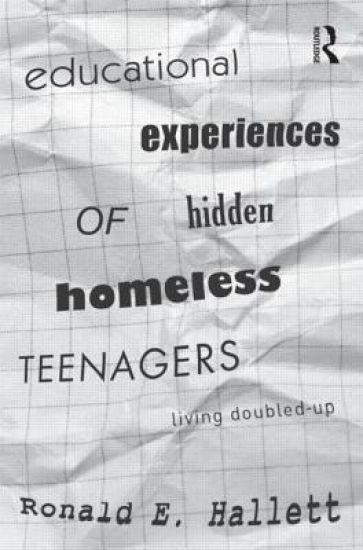
Homeless youth face countless barriers that limit their ability to complete a high school diploma and transition to postsecondary education. Their experiences vary widely based on family, access to social services, and where they live. More than half of the 1.5 million homeless youth in America are in fact living "doubled-up," staying with family or friends because of economic hardship and often on the brink of full-on homelessness. Educational Experiences of Hidden Homeless Teenagers investigates the effects of these living situations on educational participation and higher education access. First-hand data from interviews, observations, and document analysis shed light on the experience of four doubled-up adolescents and their families. The author demonstrates how complex these residential situations are, while also identifying aspects of living doubled-up that encourage educational success. The findings of this powerful book will give students, researchers, and policymakers an invaluable look at how this understudied segment of the adolescent population navigates their education.