Kirjojen hintavertailu. Mukana 12 265 550 kirjaa ja 12 kauppaa.

Kirjailija

Rorden Wilkinson

Kirjat ja teokset yhdessä paikassa: 9 kirjaa, julkaisuja vuosilta 2000-2019, suosituimpien joukossa Global Governance. Vertaile teosten hintoja ja tarkista saatavuus suomalaisista kirjakaupoista.

9 kirjaa

Kirjojen julkaisuhaarukka 2000-2019.

Rethinking Global Governance

Rethinking Global Governance

Thomas G. Weiss; Rorden Wilkinson

Polity Press
2019
nidottu
Rethinking Global Governance casts fresh eyes upon a once poignant but now languishing concept. Its purpose is to disrupt the simple association between global governance and the actions and activities of international organizations in the post-Cold War era and to focus instead on a set of questions that probe the intricate and multifaceted manner in which the world is governed. The book moves beyond the ubiquity and imprecision that has plagued the term and offers an intellectual framework with the potential to improve both thinking and practice. Building on the analytical insights of two of the leading scholars in the field, Rethinking Global Governance provides an antidote to simplistic usage and an authoritative yet readable attempt to grasp the governance of our globe — past, present, and future.
Rethinking Global Governance

Rethinking Global Governance

Thomas G. Weiss; Rorden Wilkinson

Polity Press
2019
sidottu
Rethinking Global Governance casts fresh eyes upon a once poignant but now languishing concept. Its purpose is to disrupt the simple association between global governance and the actions and activities of international organizations in the post-Cold War era and to focus instead on a set of questions that probe the intricate and multifaceted manner in which the world is governed. The book moves beyond the ubiquity and imprecision that has plagued the term and offers an intellectual framework with the potential to improve both thinking and practice. Building on the analytical insights of two of the leading scholars in the field, Rethinking Global Governance provides an antidote to simplistic usage and an authoritative yet readable attempt to grasp the governance of our globe — past, present, and future.

What's Wrong with the WTO and How to Fix It

What's Wrong with the WTO and How to Fix It

Rorden Wilkinson

Polity Press
2014
sidottu
We need a world trade organization. We just don't need the one that we have. By pitching unequally matched states together in chaotic bouts of negotiating the global trade governance of today offers - and has consistently offered - developed countries more of the economic opportunities they already have and developing countries very little of what they desperately need. This is an unsustainable state of affairs to which the blockages in the Doha round provide ample testimony. So far only piecemeal solutions have been offered to refine this flawed system. Radical proposals that seek to fundamentally alter trade governance or reorient its purposes around more socially progressive and egalitarian goals are thin on the ground. Yet we eschew deeper reform at our peril. In What's Wrong with the World Trade Organization and How to Fix It Rorden Wilkinson argues that without global institutions fit for purpose, we cannot hope for the kind of fine global economic management that can put an end to major crises or promote development-for-all. Charting a different path he shows how the WTO can be transformed into an institution and a form of trade governance that fulfils its real potential and serves the needs of all.
What's Wrong with the WTO and How to Fix It

What's Wrong with the WTO and How to Fix It

Rorden Wilkinson

Polity Press
2014
nidottu
We need a world trade organization. We just don't need the one that we have. By pitching unequally matched states together in chaotic bouts of negotiating the global trade governance of today offers - and has consistently offered - developed countries more of the economic opportunities they already have and developing countries very little of what they desperately need. This is an unsustainable state of affairs to which the blockages in the Doha round provide ample testimony. So far only piecemeal solutions have been offered to refine this flawed system. Radical proposals that seek to fundamentally alter trade governance or reorient its purposes around more socially progressive and egalitarian goals are thin on the ground. Yet we eschew deeper reform at our peril. In What's Wrong with the World Trade Organization and How to Fix It Rorden Wilkinson argues that without global institutions fit for purpose, we cannot hope for the kind of fine global economic management that can put an end to major crises or promote development-for-all. Charting a different path he shows how the WTO can be transformed into an institution and a form of trade governance that fulfils its real potential and serves the needs of all.
The WTO

The WTO

Rorden Wilkinson

Routledge
2006
nidottu
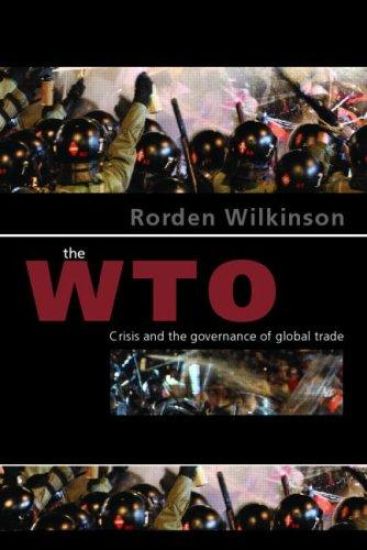
Rorden Wilkinson explores the factors behind the collapse of World Trade Organisation (WTO) ministerials – as in Seattle in 1999 and Cancun in 2003 – and asks why such events have not significantly disrupted the development of the multilateral trading system. He argues that the political conflicts played out during such meetings, their occasional collapse and the reasons why such events have so far not proven detrimental to the development of the multilateral trading system can be explained by examining the way in which the institution was created and has developed through time.In addition, this new text: explores the development of the multilateral trading system from the creation of the General Agreement on Tariffs and Trade (GATT) in 1947 to the WTO’s Hong Kong ministerial in December 2005 examines the way in which the interaction of member states has been structured by the institution’s development assesses the impact of institutional practices and procedures on the heightening of political tensions and explains why WTO ministerials exhibit a propensity to collapse but why the breakdown of a meeting has so far not prevented the institution from moving forwardThis book will be of interest to scholars and students of international politics, economics and law
The WTO

The WTO

Rorden Wilkinson

Routledge
2006
sidottu
Rorden Wilkinson explores the factors behind the collapse of World Trade Organisation (WTO) ministerials – as in Seattle in 1999 and Cancun in 2003 – and asks why such events have not significantly disrupted the development of the multilateral trading system. He argues that the political conflicts played out during such meetings, their occasional collapse and the reasons why such events have so far not proven detrimental to the development of the multilateral trading system can be explained by examining the way in which the institution was created and has developed through time.In addition, this new text: explores the development of the multilateral trading system from the creation of the General Agreement on Tariffs and Trade (GATT) in 1947 to the WTO’s Hong Kong ministerial in December 2005 examines the way in which the interaction of member states has been structured by the institution’s development assesses the impact of institutional practices and procedures on the heightening of political tensions and explains why WTO ministerials exhibit a propensity to collapse but why the breakdown of a meeting has so far not prevented the institution from moving forwardThis book will be of interest to scholars and students of international politics, economics and law
Global Governance

Global Governance

Steve Hughes; Rorden Wilkinson

Routledge
2002
nidottu
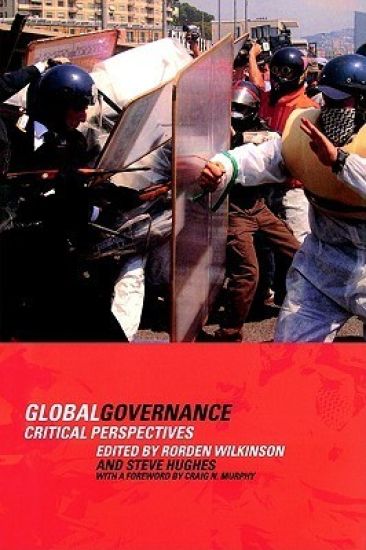
In recent years, the role of global institutions such as the United Nations, World Trade Organization, International Monetary Fund and the World Bank has never been more important to the lives of individuals throughout the world. This edited book provides critical perspectives on the role of these institutions and how they use their policies, procedures and practices to manage global political, socio-economic, legal and environmental affairs. In contrast to previously published books on this subject, Global Governance is organized thematically rather than by institution. Each chapter examines core issues such as labour, finance, the environment, health, culture, gender, civil society, poverty and development. It should be essential reading for undergraduate students of international politics, international political economy and international economics.
Global Governance

Global Governance

Steve Hughes; Rorden Wilkinson

Routledge
2002
sidottu
In recent years, the role of global institutions such as the United Nations, World Trade Organization, International Monetary Fund and the World Bank has never been more important to the lives of individuals throughout the world. This edited book provides critical perspectives on the role of these institutions and how they use their policies, procedures and practices to manage global political, socio-economic, legal and environmental affairs. In contrast to previously published books on this subject, Global Governance is organized thematically rather than by institution. Each chapter examines core issues such as labour, finance, the environment, health, culture, gender, civil society, poverty and development. It should be essential reading for undergraduate students of international politics, international political economy and international economics.
Multilateralism and the World Trade Organisation
This book explores the significance of the establishment of the World Trade Organisation (WTO), as well as some of the issues brought into sharper focus by the Seattle demonstrations of 1999. Located within the broader study of global governance, Multilateralism and the World Trade Organisation offers a critical examination of the legal framework of the WTO. The book uncovers a series of discriminatory practices embedded in the WTO's legal framework, which act to the disadvantage of smaller, developing and transitional states.