Kirjojen hintavertailu. Mukana 12 459 402 kirjaa ja 12 kauppaa.
Kirjailija
Rosemarie Bodenheimer
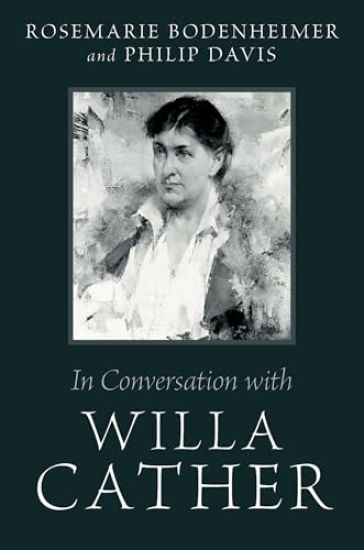
Kirjat ja teokset yhdessä paikassa: 6 kirjaa, julkaisuja vuosilta 1996-2026, suosituimpien joukossa In Conversation with Willa Cather. Vertaile teosten hintoja ja tarkista saatavuus suomalaisista kirjakaupoista.
Written in the form of a back-and-forth dialogue between the two authors, this book is about the relationship between feeling and thinking in Dickens's novels. It presents Dickens as a psychological thinker, whose generative thought may be conscious, unconscious, half-conscious, or in transit between one state and another. This Dickens is always in live process, improvizing from one monthly number to the next, subtly revizing as he goes, shifting moods, tenses, and tones from one paragraph or sentence to the next, as what he writes sparks off what he suddenly, newly, thinks. The chapters approach this inquiry through close readings of chosen passages, including studies of telling revisions in Dickens's manuscripts that reveal the power of his deepened second thoughts. They also draw on selected moments from his personal letters and prefaces when these more casual writings prove to be sketches or rehearsals for thoughts and feelings that achieve new life when they are transformed into fiction. The book concentrates on four novels of his great middle period: Dombey and Son, David Copperfield, Bleak House, and Little Dorrit, while making excursions into earlier and later Dickens novels, notably A Tale of Two Cities and Our Mutual Friend. The experiment of intense but informal conversation between the authors also models the relationship between feeling and thinking in the act of reading and responding to powerful moves in fiction.
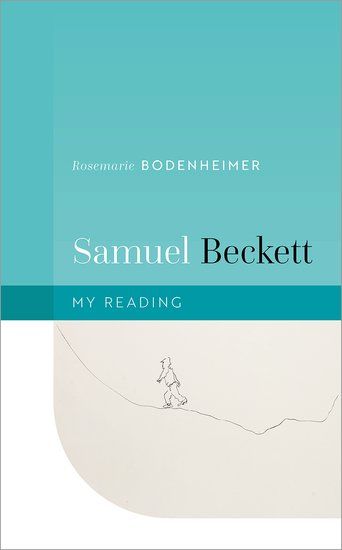
A book on the experience of reading the works of Samuel Beckett. After a life of writing about Victorian novelists, Rosemarie Bodenheimer found herself entranced by the work of Samuel Beckett. In this book she shares her journey of discovery with readers who may or may not be familiar with Beckett's novels and stories. She follows his trajectory from the first unpublished novel, Dream of Fair to Middling Women, through the great post-war trilogy of Molloy, Malone Dies, and The Unnamable, and on to the ever more experimental inventions in the shorter, later fictions, and monologues. Through readings of his work alongside extracts from his published correspondence, Beckett emerges as a sympathetic human figure, a poet of productive doubt, and a brilliant stylist of mood changes and second thoughts. Bodenheimer considers Beckett's treatments of memory, nostalgia, and grief, and the forms he finds to convey those essential human experiences while avoiding melodrama or sentimentality. His dramatized relationship with his own writing is a crucial part of that emotional landscape. His playful jousts with the conventions of novel-writing show how, from the start, Beckett challenged the notion of character and other inherited novel conventions. The book also emphasizes his dismantling of the autobiographical "I" his moving narratives of attachment and loss, and the inimitable mixture of comedy and pathos he creates by inventing outlandish situations to which his characters respond in very recognizable human ways.
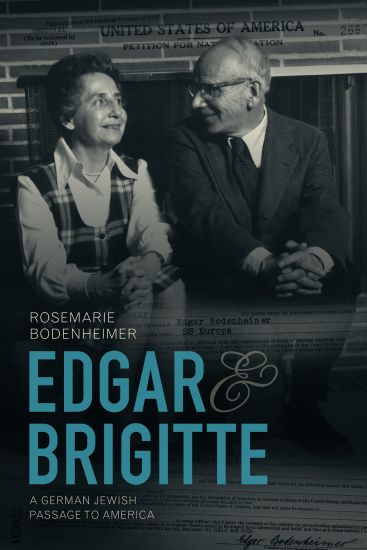
Edgar and Brigitte: A German Jewish Passage to America is the fruit of an extraordinary archive of personal journals, letters, speeches, and published writings left by Edgar and Brigitte Bodenheimer, who emigrated from Nazi Germany in 1933 and became American law professors. More German than Jewish, highly educated, and saturated to the core in the German cultural ideal of Bildung, Edgar and Brigitte embody many of the qualities of their generation of German Jews in the late nineteenth and early twentieth centuries. The couple’s encounters with the strange new dynamics of race, religion, and the workplace in their new American home offer a compelling account of the struggles that faced many immigrants with deep German roots. It is also an intimate portrait of a now-vanished German Jewish culture as it played out in the lives of Bodenheimer’s parents and her grandparents from the 1920s to the late 1960s, a story of emigration, assimilation, and the private struggles that accompany those forced shifts in orientation. The Bodenheimers’ letters and journals offer engaging perspectives into their personal lives that retrospective memories cannot match. Braiding intimate biography together with history and memoir, Edgar and Brigitte will appeal both to historians of the European Jewish diaspora and to readers interested in the struggles and resilience of people whose lives were upended by Hitler.
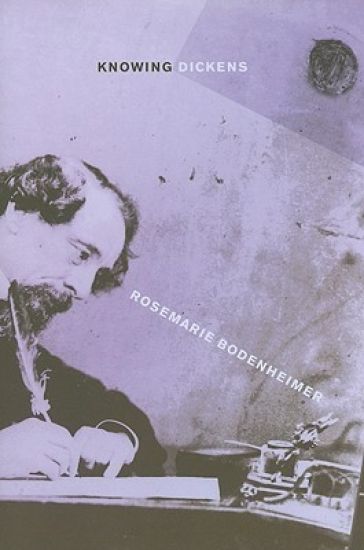
"A revealing and concealing intelligence lurks somewhere—but where, exactly?—in Dickens's writing. To capture something of that knowing Dickens who eludes us, I follow some representative clusters of thought and feeling that link Dickens's ways of talking in letters with his concerns in fiction and journalism. What are the internal plots this writer carried around throughout his life, his characteristic patterns of experience, response, and counterresponse? What shapes recur in the various forms of writing and acting that make up this life?"—from Knowing Dickens In this compelling and accessible book Rosemarie Bodenheimer explores the thoughtworld of the Victorian novelist who was most deeply intrigued by nineteenth-century ideas about the unconscious mind. Dickens found many ways to dramatize in his characters both unconscious processes and acts of self-projection—notions that are sometimes applied to him as if he were an unwitting patient. Bodenheimer explains how the novelist used such techniques to negotiate the ground between knowing and telling, revealing and concealing. She asks how well Dickens knew himself—the extent to which he understood his own nature and the ways he projected himself in his fictions—and how well we can know him. Knowing Dickens is the first book to systematically explore Dickens's abundant correspondence in relation to his published writings. Gathering evidence from letters, journalistic essays, stories, and novels that bear on a major issue or pattern of response in Dickens's life and work, Bodenheimer cuts across familiar storylines in Dickens biography and criticism in chapters that take up topics including self-defensive language, models of memory, relations of identification and rivalry among men, houses and household management, and walking and writing.
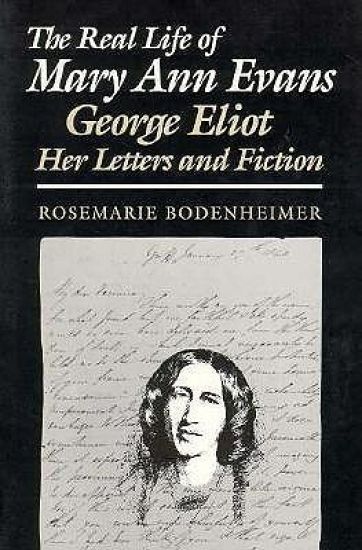
Bodenheimer defines the personal paradoxes that helped to shape Eliot's fictional characters and narrative style. Bodenheimer revisits pivotal episodes in Mary Ann Evans's life and career, including the "Holy War" through which she asserted her youthful religious skepticism; her decision to elope with the married writer George Henry Lewes; and her marriage with John Cross after Lewes's death. Bodenheimer also discusses the rumor campaign that led to the discovery that "George Eliot" was a woman, and she traces the trajectory of Eliot's impassioned conflict between her ambition and her womanhood.