

Kirjailija
Ross Thomson
Kirjat ja teokset yhdessä paikassa: 6 kirjaa, julkaisuja vuosilta 2009-2021, suosituimpien joukossa roSS Cartoons. Vertaile teosten hintoja ja tarkista saatavuus suomalaisista kirjakaupoista.
6 kirjaa
Kirjojen julkaisuhaarukka 2009-2021.



Danny Ross is the brightest rising star in EarthWatch, the "eyes in the sky" organization expediting relief efforts in large-scale disasters. Tragically orphaned in childhood, Danny has become a disaster junkie. His expansive knowledge on the subject uncovers a disturbing pattern in mortality rates from major catastrophes worldwide. Whenever deaths from natural causes wane, human-spawned disasters crop up to cover the shortfall. And the death toll rises in step with global population. In effect, someone is orchestrating a human cull. Danny's alarming discovery puts him in the crosshairs of a rich and powerful covert society, the Philosopher Kings. Meanwhile, the FBI wants him for two murders he didn't commit. In a desperate race to learn the truth and clear his name, he stumbles onto the next scheduled disaster. Question is, will he be able to stop it?

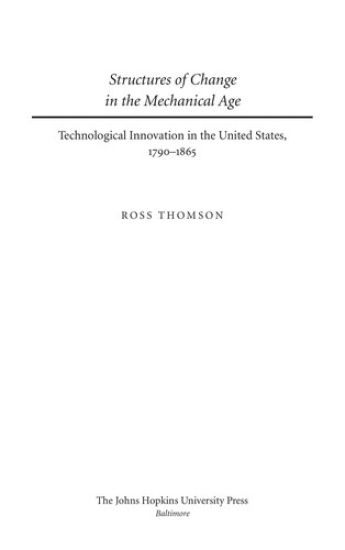
The United States registered phenomenal economic growth between the establishment of the new republic and the end of the Civil War. Ross Thomson's fresh study accounts for the unprecedented technological innovations that helped propel antebellum growth. Thomson argues that the transition of the United States from an agrarian economy in 1790 to an industrial leader in 1865 relied fundamentally on the spread of technological knowledge within and across industries. Essential to this spread was a dense web of knowledge-diffusing institutions-new occupations and industries, the patent office, machine shops, mechanics' associations, scientific societies, public colleges, and the civil engineering profession. Together they composed an integrated innovation system that generated, disseminated, and employed new technical knowledge across ever-widening ranges of the economy. To trace technological change in fourteen major industries and the economy as a whole, Thomson analyzes 14,000 patents, the records of two dozen machinery firms, census data for 1,800 companies, and hundreds of business directories. This exhaustive research leads to his interesting interpretation of technological diffusion and development. Thomson's impressive study of the infrastructure that fueled and supported the young country's economic and industrial successes will interest students of economic, technological, and business history.