Kirjojen hintavertailu. Mukana 12 595 353 kirjaa ja 12 kauppaa.

Kirjailija

Rudi Coetzer

Kirjat ja teokset yhdessä paikassa: 14 kirjaa, julkaisuja vuosilta 2010-2026, suosituimpien joukossa Key Topics in Clinical Neuropsychology. Vertaile teosten hintoja ja tarkista saatavuus suomalaisista kirjakaupoista.

14 kirjaa

Kirjojen julkaisuhaarukka 2010-2026.

Key Topics in Clinical Neuropsychology

Key Topics in Clinical Neuropsychology

Sara Da Silva Ramos; Christopher Byrne; Rudi Coetzer

TAYLOR FRANCIS LTD
2026
sidottu
This introductory text provides a concise and engaging introduction to the science and practice of clinical neuropsychology. It takes readers on a journey beginning with the history of discipline, through exploring some of the classic case studies in neuropsychology which have brought valuable insights into understanding how the brain works, even before we could see it in action. Early chapters look at the beginnings of the field and the impact that the emergence of neuroimaging and the use of different research methodologies have had on the development on the discipline. Later chapters focus on the application of this knowledge into the diagnosis and rehabilitation of neurological conditions. Using real-life stories and case examples, the book goes on to examine the power of adopting a neuropsychological informed approach towards achieving positive societal change. It concludes by considering the role of the neuropsychologist of the future, in a fast-paced globalised World where digital technologies and AI take central stage. Whilst focusing mainly on clinical neuropsychology, the book also taps into knowledge, methods and examples from experimental neuropsychology to give students a good understanding of how neuropsychology has contributed to the knowledge of brain behaviour relationships, and its role in practice and policy. Key Topics in Clinical Neuropsychology: From Science to Practice is invaluable reading for undergraduate students of psychology. It may also be of interest to undergraduate students from other fields, postgraduate students intending to pursue a career in neuropsychological settings, and professionals from various disciplines including social work, nursing, and allied health and law, who wish to get a better understanding of how neurological injury or illness affect behaviour.
Key Topics in Clinical Neuropsychology

Key Topics in Clinical Neuropsychology

Sara Da Silva Ramos; Christopher Byrne; Rudi Coetzer

TAYLOR FRANCIS LTD
2026
nidottu
This introductory text provides a concise and engaging introduction to the science and practice of clinical neuropsychology. It takes readers on a journey beginning with the history of discipline, through exploring some of the classic case studies in neuropsychology which have brought valuable insights into understanding how the brain works, even before we could see it in action. Early chapters look at the beginnings of the field and the impact that the emergence of neuroimaging and the use of different research methodologies have had on the development on the discipline. Later chapters focus on the application of this knowledge into the diagnosis and rehabilitation of neurological conditions. Using real-life stories and case examples, the book goes on to examine the power of adopting a neuropsychological informed approach towards achieving positive societal change. It concludes by considering the role of the neuropsychologist of the future, in a fast-paced globalised World where digital technologies and AI take central stage. Whilst focusing mainly on clinical neuropsychology, the book also taps into knowledge, methods and examples from experimental neuropsychology to give students a good understanding of how neuropsychology has contributed to the knowledge of brain behaviour relationships, and its role in practice and policy. Key Topics in Clinical Neuropsychology: From Science to Practice is invaluable reading for undergraduate students of psychology. It may also be of interest to undergraduate students from other fields, postgraduate students intending to pursue a career in neuropsychological settings, and professionals from various disciplines including social work, nursing, and allied health and law, who wish to get a better understanding of how neurological injury or illness affect behaviour.
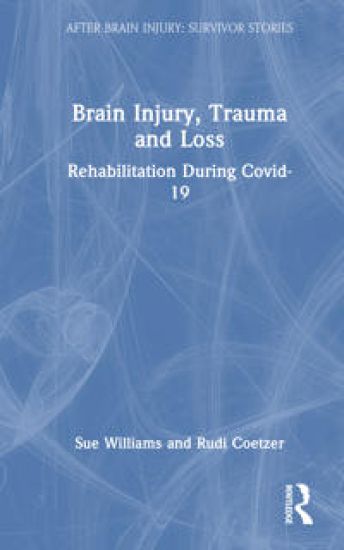
Brain Injury, Trauma and Loss

Brain Injury, Trauma and Loss

Sue Williams; Rudi Coetzer

TAYLOR FRANCIS LTD
2025
nidottu
Using a combination of lived experience, clinical insight, and academic research, this book explores the impact of Covid-19 on brain injury rehabilitation to both assist with current treatment and improve future practice. It provides an in-depth account of the complex intersection between rehabilitation and adjustment to a traumatic brain injury within the context of a major societal upheaval, and considers the lessons that can be learned in the ‘new normal’ of a post-pandemic world. Based on detailed diary extracts, therapeutic notes and updates, this book provides a unique insight into the practical and psychological effects of Covid 19 on brain injury and rehabilitation, ranging from the impact on delivering clinical rehabilitation sessions and self-directed approaches, to the effect on daily living, social isolation, and online integration. The final section on ‘lessons learned’ contributes to the current wider knowledge on how to improve practice in brain injury rehabilitation for patients, families and clinicians. The detailed account of changes in service delivery provides a window into what kind of adaptations can be made in clinical practices, highlighting the need to question existing practices and look for creative methods in delivering rehabilitation services. This is valuable reading for clinical neuropsychologists who experienced changes in their work both during and since the pandemic, as well as speech therapists, occupational therapists, and physiotherapists.
Brain Injury, Trauma and Loss

Brain Injury, Trauma and Loss

Sue Williams; Rudi Coetzer

TAYLOR FRANCIS LTD
2025
sidottu
Using a combination of lived experience, clinical insight, and academic research, this book explores the impact of Covid-19 on brain injury rehabilitation to both assist with current treatment and improve future practice. It provides an in-depth account of the complex intersection between rehabilitation and adjustment to a traumatic brain injury within the context of a major societal upheaval, and considers the lessons that can be learned in the ‘new normal’ of a post-pandemic world. Based on detailed diary extracts, therapeutic notes and updates, this book provides a unique insight into the practical and psychological effects of Covid 19 on brain injury and rehabilitation, ranging from the impact on delivering clinical rehabilitation sessions and self-directed approaches, to the effect on daily living, social isolation, and online integration. The final section on ‘lessons learned’ contributes to the current wider knowledge on how to improve practice in brain injury rehabilitation for patients, families and clinicians. The detailed account of changes in service delivery provides a window into what kind of adaptations can be made in clinical practices, highlighting the need to question existing practices and look for creative methods in delivering rehabilitation services. This is valuable reading for clinical neuropsychologists who experienced changes in their work both during and since the pandemic, as well as speech therapists, occupational therapists, and physiotherapists.
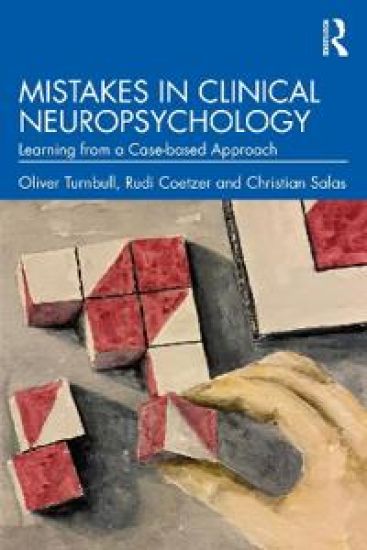
Mistakes in Clinical Neuropsychology

Mistakes in Clinical Neuropsychology

Oliver Turnbull; Rudi Coetzer; Christian Salas

TAYLOR FRANCIS LTD
2023
sidottu
This innovative book uses a case-based approach to discuss mistakes made in the practice of clinical neuropsychology to form a helpful tool in the training of early career clinicians. By allowing readers space for critical reflection during clinical practice, the book teaches competency in clinical neuropsychology, through the examination of errors as a central part of the learning process.The core of this book is a diverse series of mistakes, each embedded as a patient narrative. Each chapter is based around an example error, typically one that was made, by the authors, as early career clinicians. Early chapters focus on mistakes in neuropsychological assessment, and the diagnostic process. Later chapters focus on errors in rehabilitation and management. Each chapter is framed to reflect the situational context, for example the role of history, what constitutes normal performance, the way that complex tasks rely on foundational skills, or the treatment of patients with dysexecutive impairment. Towards the end of each chapter there is reflection on the nature of each error type. As such, each chapter follows the structure SEER (Situation, Example, Error, Reflection), helping the reader to imagine the situation around the mistake, its nature and relevance. The book especially emphasises small phrases of insight (axioms, or gnomes) that are widely used by experienced clinicians. This is valuable reading for students of clinical neuropsychology, occupational therapy and speech and language therapy as well as professionals in these fields such as neurologists, psychiatrists and other rehabilitation therapists. It is especially appropriate for those in the earlier stages of their career in clinical neuropsychology, or in related disciplines which involve the assessment and treatment of patients with neurological disorders that impair cognition or disrupt the regulation of emotion. However, experienced clinicians will also find it includes interesting insights to improve their practice.
Mistakes in Clinical Neuropsychology

Mistakes in Clinical Neuropsychology

Oliver Turnbull; Rudi Coetzer; Christian Salas

TAYLOR FRANCIS LTD
2023
nidottu
This innovative book uses a case-based approach to discuss mistakes made in the practice of clinical neuropsychology to form a helpful tool in the training of early career clinicians. By allowing readers space for critical reflection during clinical practice, the book teaches competency in clinical neuropsychology, through the examination of errors as a central part of the learning process.The core of this book is a diverse series of mistakes, each embedded as a patient narrative. Each chapter is based around an example error, typically one that was made, by the authors, as early career clinicians. Early chapters focus on mistakes in neuropsychological assessment, and the diagnostic process. Later chapters focus on errors in rehabilitation and management. Each chapter is framed to reflect the situational context, for example the role of history, what constitutes normal performance, the way that complex tasks rely on foundational skills, or the treatment of patients with dysexecutive impairment. Towards the end of each chapter there is reflection on the nature of each error type. As such, each chapter follows the structure SEER (Situation, Example, Error, Reflection), helping the reader to imagine the situation around the mistake, its nature and relevance. The book especially emphasises small phrases of insight (axioms, or gnomes) that are widely used by experienced clinicians. This is valuable reading for students of clinical neuropsychology, occupational therapy and speech and language therapy as well as professionals in these fields such as neurologists, psychiatrists and other rehabilitation therapists. It is especially appropriate for those in the earlier stages of their career in clinical neuropsychology, or in related disciplines which involve the assessment and treatment of patients with neurological disorders that impair cognition or disrupt the regulation of emotion. However, experienced clinicians will also find it includes interesting insights to improve their practice.
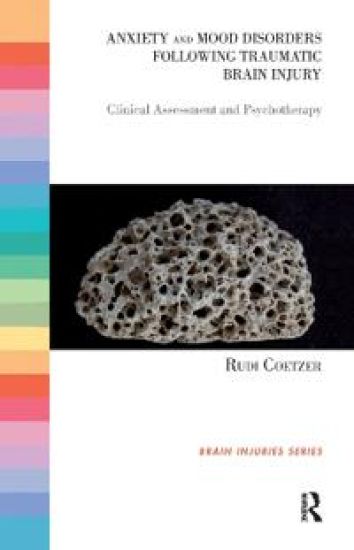
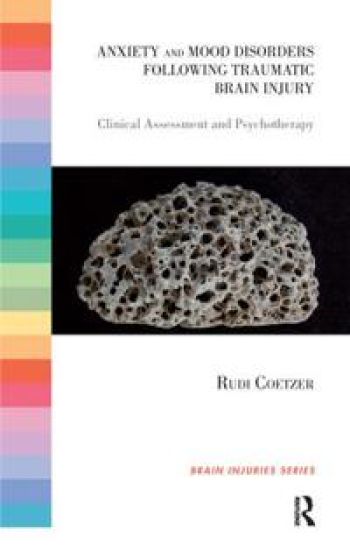
Anxiety and Mood Disorders Following Traumatic Brain Injury
While there are many excellent texts addressing cognitive impairment and behavioural difficulties and on rehabilitation associated with traumatic brain injury, few textbooks specifically address the most common emotional problems that can have such an adverse effect on rehabilitation and outcome. Uniquely this book deals exclusively with the identification and psychotherapeutic management of mood and anxiety disorders after traumatic brain injury. Furthermore, a systematic approach to identifying and diagnosing anxiety and mood disorders is followed throughout the text. As well as providing an introduction to anxiety and mood disorders after traumatic brain injury, it provides a psychological perspective on their evolution and management. It is aimed at a range of professionals in training (or those responsible for providing training in psychopathology, neuropsychology and psychotherapy), as well as those who may have an interest in working with the type of patients with anxiety or depression, commonly seen in post-acute brain injury rehabilitation settings. Case studies, summaries and suggested references for further reading are used throughout to facilitate understanding and teaching where relevant.
The Notebook of a New Clinical Neuropsychologist
Have you ever looked at a heavy volume on neuropsychology and wondered what it would actually be like to become a professional clinician, working every day with neurological patients in a busy hospital while simultaneously learning your craft? This book tells the story of that journey.The Notebook of a New Clinical Neuropsychologist vividly details the experience of starting work in clinical neuropsychology, exploring early-career learning and development through an intimate, case-based approach. Topics include the learning of basic clinical skills and knowledge, counter-transference, the clinician’s emotional experiences, ethical and moral dilemmas, and the development of clinical reasoning. The book is structured around individual studies from the author’s early caseload, with each vignette containing the relevant neuropathology, clinical presentation, history, neuropsychological test finding and other clinical data. Chapters are also organized around key neuropathological conditions, including traumatic brain injury, stroke, and brain infections, which provide a broader context for the narrative focus of the book.Few academic books explore the personal, intellectual and ethical dilemmas that face a new clinician working with patients in a neuropsychological setting. Tailored to facilitate experiential learning via case studies, reflective practice and problem based-learning, the book will be of interest to students and professionals working within the broad area of neuropsychology and brain injury services.
The Notebook of a New Clinical Neuropsychologist
Have you ever looked at a heavy volume on neuropsychology and wondered what it would actually be like to become a professional clinician, working every day with neurological patients in a busy hospital while simultaneously learning your craft? This book tells the story of that journey.The Notebook of a New Clinical Neuropsychologist vividly details the experience of starting work in clinical neuropsychology, exploring early-career learning and development through an intimate, case-based approach. Topics include the learning of basic clinical skills and knowledge, counter-transference, the clinician’s emotional experiences, ethical and moral dilemmas, and the development of clinical reasoning. The book is structured around individual studies from the author’s early caseload, with each vignette containing the relevant neuropathology, clinical presentation, history, neuropsychological test finding and other clinical data. Chapters are also organized around key neuropathological conditions, including traumatic brain injury, stroke, and brain infections, which provide a broader context for the narrative focus of the book.Few academic books explore the personal, intellectual and ethical dilemmas that face a new clinician working with patients in a neuropsychological setting. Tailored to facilitate experiential learning via case studies, reflective practice and problem based-learning, the book will be of interest to students and professionals working within the broad area of neuropsychology and brain injury services.
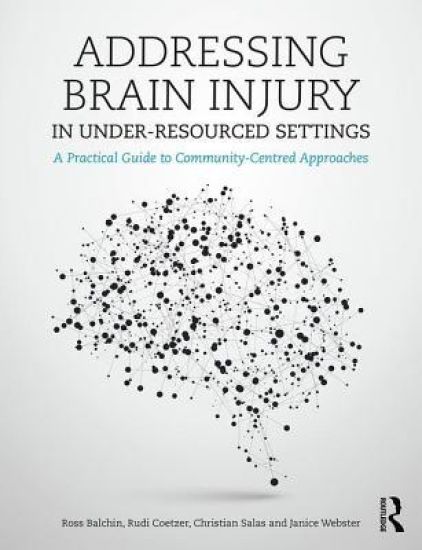
Addressing Brain Injury in Under-Resourced Settings

Addressing Brain Injury in Under-Resourced Settings

Ross Balchin; Rudi Coetzer; Christian Salas; Janice Webster

Psychology Press Ltd
2017
nidottu
Many of the world’s population have no access to appropriate diagnostic, neurorehabilitative or support services following brain injury. Addressing Brain Injury in Under-Resourced Settings: A Practical Guide to Community-Centred Approaches tackles this unacceptable gap in service provision by empowering the reader to provide basic care, education and support for patients with brain injuries and their families.Written for an audience which does not necessarily have any prior knowledge of the brain, neurorehabilitation or brain injuries/pathologies, this practical guide first examines the global context of brain injury, considering the cross-cultural realities across communities worldwide. The book goes on to explore the reality of brain injury and how to work with its consequences, offering practical knowledge and advice in a user-friendly, richly illustrated format. It provides easily digestible information about the brain, including its normal functioning and the ways in which it can be damaged through injury and disease. The book also covers the basic skills needed to identify neurological difficulties and provides guidance on basic rehabilitation input and support. The final section of the book covers how to provide services, including working with organisations and communities, volunteering, initiating and developing community-based projects and programmes, and caring for patients and their families from emergency to recovery to rehabilitation.This book is an invaluable resource for community health workers, voluntary sector workers and all professional healthcare providers who work with brain-injured patients around the world. It will also be important reading for policy developers, fundraising organisations and those who work with global humanitarian initiatives.
Addressing Brain Injury in Under-Resourced Settings

Addressing Brain Injury in Under-Resourced Settings

Ross Balchin; Rudi Coetzer; Christian Salas; Janice Webster

Psychology Press Ltd
2017
sidottu
Many of the world’s population have no access to appropriate diagnostic, neurorehabilitative or support services following brain injury. Addressing Brain Injury in Under-Resourced Settings: A Practical Guide to Community-Centred Approaches tackles this unacceptable gap in service provision by empowering the reader to provide basic care, education and support for patients with brain injuries and their families.Written for an audience which does not necessarily have any prior knowledge of the brain, neurorehabilitation or brain injuries/pathologies, this practical guide first examines the global context of brain injury, considering the cross-cultural realities across communities worldwide. The book goes on to explore the reality of brain injury and how to work with its consequences, offering practical knowledge and advice in a user-friendly, richly illustrated format. It provides easily digestible information about the brain, including its normal functioning and the ways in which it can be damaged through injury and disease. The book also covers the basic skills needed to identify neurological difficulties and provides guidance on basic rehabilitation input and support. The final section of the book covers how to provide services, including working with organisations and communities, volunteering, initiating and developing community-based projects and programmes, and caring for patients and their families from emergency to recovery to rehabilitation.This book is an invaluable resource for community health workers, voluntary sector workers and all professional healthcare providers who work with brain-injured patients around the world. It will also be important reading for policy developers, fundraising organisations and those who work with global humanitarian initiatives.
Working with Brain Injury

Working with Brain Injury

Rudi Coetzer; Ross Balchin

Psychology Press Ltd
2014
sidottu
This book provides a hands-on resource for the development of essential skills and competencies in clinical neuropsychology. On a very practical level it addresses a question frequently asked by students, trainees, interns, and newly qualified psychologists: what do I need to know in order to perform the everyday tasks involved in clinical neuropsychology? The authors distil, from a vast knowledge base, the practical skills and knowledge needed to lay the foundations for working with brain-injured patients, especially within the developed and developing world where time and resources are limited.The book is divided into three main sections: Basic Foundations, Clinical Practice, and Professional Issues. Together these sections cover 18 fundamental topics, each representing a key part of the life of a practitioner. Each chapter contains practical tips, points for reflective practice, and suggested further reading, with a particular emphasis on issues pertaining to working in under-resourced clinical environments. The book draws upon landmark academic papers and textbooks, and also the authors’ experiences of working in state hospitals in both South Africa and the National Health Service in the United Kingdom.Working with Brain Injury will be essential reading for clinical psychology trainees and their supervisors, for newly qualified psychologists in clinical settings, and for students and practitioners in other clinical professions seeking an introduction to clinical neuropsychology.
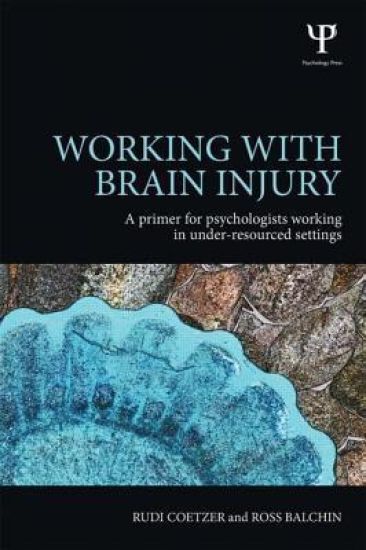
Working with Brain Injury

Working with Brain Injury

Rudi Coetzer; Ross Balchin

Psychology Press Ltd
2014
nidottu
This book provides a hands-on resource for the development of essential skills and competencies in clinical neuropsychology. On a very practical level it addresses a question frequently asked by students, trainees, interns, and newly qualified psychologists: what do I need to know in order to perform the everyday tasks involved in clinical neuropsychology? The authors distil, from a vast knowledge base, the practical skills and knowledge needed to lay the foundations for working with brain-injured patients, especially within the developed and developing world where time and resources are limited.The book is divided into three main sections: Basic Foundations, Clinical Practice, and Professional Issues. Together these sections cover 18 fundamental topics, each representing a key part of the life of a practitioner. Each chapter contains practical tips, points for reflective practice, and suggested further reading, with a particular emphasis on issues pertaining to working in under-resourced clinical environments. The book draws upon landmark academic papers and textbooks, and also the authors’ experiences of working in state hospitals in both South Africa and the National Health Service in the United Kingdom.Working with Brain Injury will be essential reading for clinical psychology trainees and their supervisors, for newly qualified psychologists in clinical settings, and for students and practitioners in other clinical professions seeking an introduction to clinical neuropsychology.
Anxiety and Mood Disorders Following Traumatic Brain Injury
While there are many excellent texts addressing cognitive impairment and behavioural difficulties and on rehabilitation associated with traumatic brain injury, few textbooks specifically address the most common emotional problems that can have such an adverse effect on rehabilitation and outcome. Uniquely this book deals exclusively with the identification and psychotherapeutic management of mood and anxiety disorders after traumatic brain injury. Furthermore, a systematic approach to identifying and diagnosing anxiety and mood disorders is followed throughout the text. As well as providing an introduction to anxiety and mood disorders after traumatic brain injury, it provides a psychological perspective on their evolution and management. It is aimed at a range of professionals in training (or those responsible for providing training in psychopathology, neuropsychology and psychotherapy), as well as those who may have an interest in working with the type of patients with anxiety or depression, commonly seen in post-acute brain injury rehabilitation settings. Case studies, summaries and suggested references for further reading are used throughout to facilitate understanding and teaching where relevant.