Kirjojen hintavertailu. Mukana 12 263 345 kirjaa ja 12 kauppaa.
Kirjailija
Rüdiger Safranski
Kirjat ja teokset yhdessä paikassa: 44 kirjaa, julkaisuja vuosilta 1991-2025, suosituimpien joukossa Zeit (Time) - From Durer to Bonvicini. Vertaile teosten hintoja ja tarkista saatavuus suomalaisista kirjakaupoista.
Time is one of the great mysteries in the history of civilization. Its definitions are many and can be found in the most diverse disciplines, from religion to biology and economics, above all, of course, in physics, and as an well-established theme in art. Surprisingly, for all Switzerland's reputation as a watchmaking nation, few art museums in the country have yet staged an exhibition on the subject of time that spans multiple eras and disciplines. The sensual journey of the Kunsthaus Z rich through the history of time therefore now takes a comprehensive look at paintings, films, installations, performances, and real objects such as clocks from the 1550s to the present. Even though the clock as a time-measuring instrument is the starting point: temporal perspectives such as the biological, the paleontological, and even of personal sensations, are explored in depth in this show, curated by Cath rine Hug, with works by, among others, Sinzo Aanza, Giacomo Balla, Black Qantum Futurism, Manon de Boer & George van Dam, Abraham-Louis Breguet, Pieter Claesz, Honor Daumier, Jean Dubuffet, William Hogarth, Roni Horn, Monica Ursina J ger, On Kawara, Herlinde Koelbl.
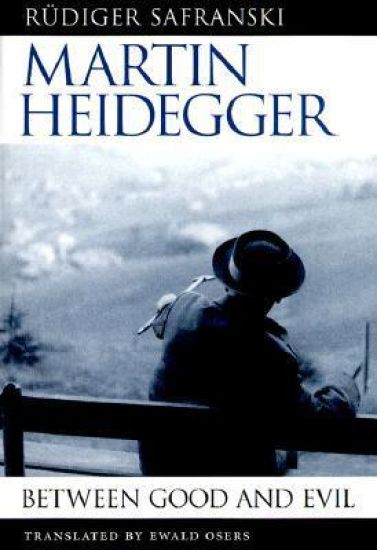
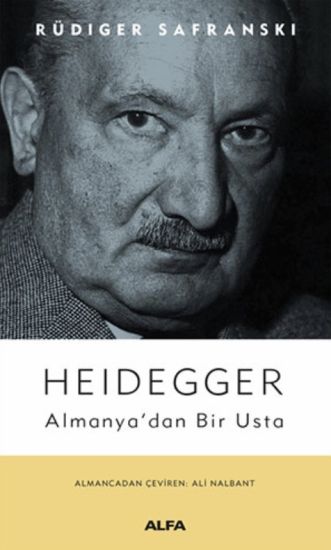
One of the century’s greatest philosophers, without whom there would be no Sartre, no Foucault, no Frankfurt School, Martin Heidegger was also a man of great failures and flaws, a Faustus who made a pact with the devil of his time, Adolf Hitler. The story of Heidegger’s life and philosophy, a quintessentially German story in which good and evil, brilliance and blindness are inextricably entwined and the passions and disasters of a whole century come into play, is told in this brilliant biography.Heidegger grew up in Catholic Germany where, for a chance at pursuing a life of learning, he pledged himself to the priesthood. Soon he turned apostate and sought a university position, which set him on the path to becoming the star of German philosophy in the 1920s. Rüdiger Safranski chronicles Heidegger’s rise along with the thought he honed on the way, with its debt to Heraclitus, Plato, and Kant, and its tragic susceptibility to the conservatism that emerged out of the nightmare of Germany’s loss in World War I. A chronicle of ideas and of personal commitments and betrayals, Safranski’s biography combines clear accounts of the philosophy that won Heidegger eternal renown with the fascinating details of the loves and lapses that tripped up this powerful intellectual.The best intellectual biography of Heidegger ever written and a best-seller in Germany, Martin Heidegger: Between Good and Evil does not shy away from full coverage of Heidegger’s shameful transformation into a propagandist for the National Socialist regime; nor does it allow this aspect of his career to obscure his accomplishments. Written by a master of Heidegger’s philosophy, the book is one of the best introductions to the thought and to the life and times of the greatest German philosopher of the century.
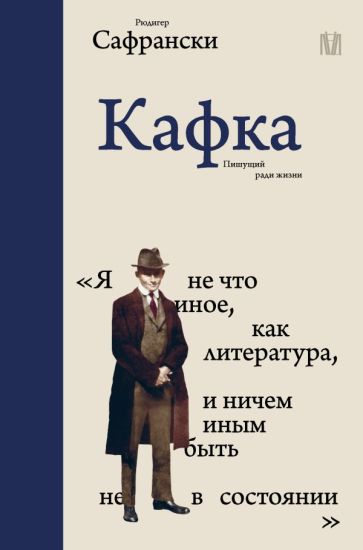
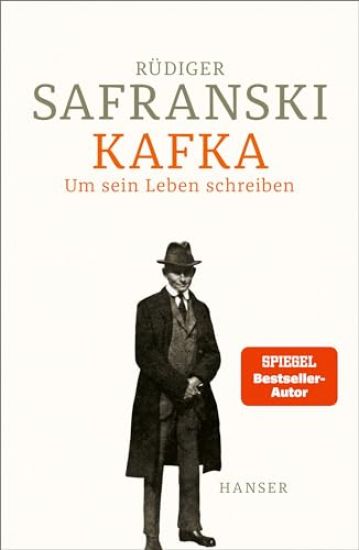
Frants Kafka segodnja javljaetsja odnim iz samykh izvestnykh imen v istorii zapadnoj literatury. No kem on byl v nachale svoego puti, v Prage nachala proshlogo veka?"Net u menja naklonnostej k literature, ja prosto iz literatury sostoju, ja ne chto inoe, kak literatura, i nichem inym byt ne v sostojanii", - pisal Frants Kafka svoej neveste Felitsii Bauer. Pisatelstvo bylo ego suschestvovaniem, kotoroe znachilo dlja nego bolshe, chem zakonchennoe proizvedenie.Izvestnyj filosof i biograf Rjudiger Safranski pokazyvaet, chto mozhet znachit pismo dlja zhizni, kak vse mozhet byt emu podchineno, kakie terzanija i momenty schastja voznikajut iz nego i kakie prozrenija otkryvajutsja na etoj ekzistentsialnoj granitse.Safranski rasskazyvaet o momentakh schastja, kotorye Kafka perezhivaet za svoim stolom, i o momentakh, kogda mir kazhetsja emu sovershenno chuzhdym.
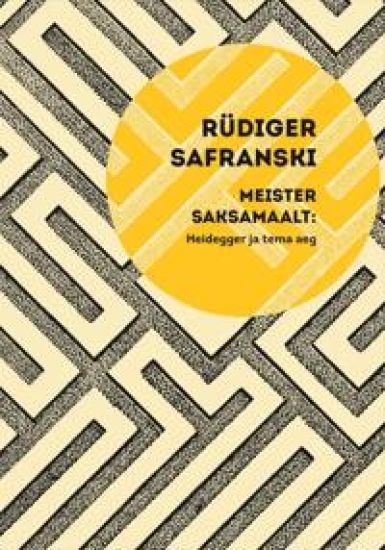
Oma paljukiidetud raamatus Martin Heideggerist jutustab Rüdiger Safranski ühtlasi 20. sajandi loo. See ajastu portree on ka tabav mõtisklus filosoofia, elu ja poliitikakiusatuse läbipõimumisest. Safranski selge ülevaade Heideggeri filosoofia kujunemisest ja arengust ei jäta põhjalikult käsitlemata ei filosoofi rahvussotsialistlikku tegevust Freiburgi ülikooli rektorina ega hilisemat skandaali tema "eksimuse" pärast. "Meister Saksamaalt" on väljapaistev käsitlus Heideggeri elutööst ning Saksamaa kultuuriajaloo panoraam sõdadevahelisest ajast kuni seitsmekümnendate aastate alguseni Lääne-Saksamaal.Autorist:Rüdiger Safranski (snd 1945) on saksa filosoof ja kirjanik, kelle teoseid on tänaseks tõlgitud 27 keelde. Ta on pälvinud Friedrich Märkeri, Ernst Robert Curtiuse ja Friedrich Nietzsche auhinnad.
Here, Rüdiger Safranski sets his sights on the writer considered the Shakespeare of German literature. Goethe (1749–1832) awakened a burgeoning German nation and the European continent with his electrifying novel The Sorrows of Young Werther. Safranski scoured Goethe’s oeuvre, relying on primary sources as well as his correspondence with contemporaries and their comments to one another, to produce an illuminating portrait of the avatar of the Romantic era. Set against the cultural and political turmoil of Europe in the late eighteenth and early nineteenth centuries, Goethe, who intersected with almost every great figure of his age, is thrillingly re-created here. As Safranski shows, Goethe’s greatest creation, even in comparison to his masterpiece Faust, was his own life.