Kirjojen hintavertailu. Mukana 12 390 323 kirjaa ja 12 kauppaa.

Kirjailija

Rupert Wegerif

Kirjat ja teokset yhdessä paikassa: 23 kirjaa, julkaisuja vuosilta 2004-2026, suosituimpien joukossa Research Methods for Educational Dialogue. Vertaile teosten hintoja ja tarkista saatavuus suomalaisista kirjakaupoista.

23 kirjaa

Kirjojen julkaisuhaarukka 2004-2026.

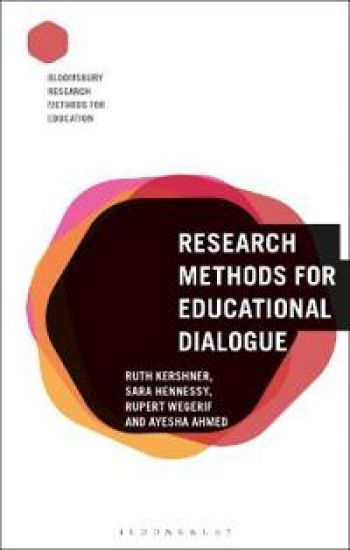
Research Methods for Educational Dialogue

Research Methods for Educational Dialogue

Ruth Kershner; Sara Hennessy; Rupert Wegerif; Ayesha Ahmed

Bloomsbury Academic
2020
nidottu
Research Methods for Educational Dialogue provides an overview of the range of possibilities for researching various forms of educational dialogue, underpinned by a coherent theoretical foundation. The authors, Kershner, Hennessy, Wegerif and Ahmed offer an integrated understanding of different methodological approaches in this fast-growing area of education. The book includes critical discussion of a variety of methods for investigating the characteristics and quality of dialogues for individuals and groups of participants in different educational contexts. These include student-student, teacher-student and wider professional dialogues, conducted face-to-face, online or mediated by classroom technologies. The authors argue for the integration of ethical and methodological principles, and consider the potential for innovative research methods that are dialogic in themselves. Including chapter commentaries from invited experts in the field, authentic research examples and a glossary of terms, this is essential reading for anyone looking to research in the area of educational dialogue.
Research Methods for Educational Dialogue

Research Methods for Educational Dialogue

Ruth Kershner; Sara Hennessy; Rupert Wegerif; Ayesha Ahmed

Bloomsbury Academic
2020
sidottu
Research Methods for Educational Dialogue provides an overview of the range of possibilities for researching various forms of educational dialogue, underpinned by a coherent theoretical foundation. The authors, Kershner, Hennessy, Wegerif and Ahmed offer an integrated understanding of different methodological approaches in this fast-growing area of education. The book includes critical discussion of a variety of methods for investigating the characteristics and quality of dialogues for individuals and groups of participants in different educational contexts. These include student-student, teacher-student and wider professional dialogues, conducted face-to-face, online or mediated by classroom technologies. The authors argue for the integration of ethical and methodological principles, and consider the potential for innovative research methods that are dialogic in themselves. Including chapter commentaries from invited experts in the field, authentic research examples and a glossary of terms, this is essential reading for anyone looking to research in the area of educational dialogue.
Thinking Together in Primary Science

Thinking Together in Primary Science

Neil Phillipson; Rupert Wegerif

TAYLOR FRANCIS LTD
2026
sidottu
Thinking Together in Primary Science offers eight fully resourced lesson plans aimed at ages 9–11 to get teachers and primary-aged children talking together about science and how scientists think and learn as a community. The lessons will help children to form a stronger relationship with science and to understand how scientific thinking can help them in everyday life. By secondary school, many young people have already decided that science is not for them. One implication of this is people are less likely to adopt a ‘scientific mindset’ when evaluating the information they encounter online. Understanding the nature of science – what it is and the ways of thinking associated with it – helps young people to identify with the subject, and can protect them from everyday misinformation. The book introduces children to key ideas, such as the tentative nature of scientific knowledge, the importance of scepticism, and the role of evidence. It highlights how science can be trusted because of the collaborative way the scientific community generates, tests, and refines knowledge over time. The book empowers teachers to teach science with greater depth and meaning while embedding oracy into the curriculum. Building on the evidence-based Thinking Together approach, it uses stories to spark dialogue that deepens children’s understanding of science, fosters a closer connection to the subject, and helps protect them from the misinformation so prevalent in today’s world.
Thinking Together in Primary Science

Thinking Together in Primary Science

Neil Phillipson; Rupert Wegerif

TAYLOR FRANCIS LTD
2026
nidottu
Thinking Together in Primary Science offers eight fully resourced lesson plans aimed at ages 9–11 to get teachers and primary-aged children talking together about science and how scientists think and learn as a community. The lessons will help children to form a stronger relationship with science and to understand how scientific thinking can help them in everyday life. By secondary school, many young people have already decided that science is not for them. One implication of this is people are less likely to adopt a ‘scientific mindset’ when evaluating the information they encounter online. Understanding the nature of science – what it is and the ways of thinking associated with it – helps young people to identify with the subject, and can protect them from everyday misinformation. The book introduces children to key ideas, such as the tentative nature of scientific knowledge, the importance of scepticism, and the role of evidence. It highlights how science can be trusted because of the collaborative way the scientific community generates, tests, and refines knowledge over time. The book empowers teachers to teach science with greater depth and meaning while embedding oracy into the curriculum. Building on the evidence-based Thinking Together approach, it uses stories to spark dialogue that deepens children’s understanding of science, fosters a closer connection to the subject, and helps protect them from the misinformation so prevalent in today’s world.
Rethinking Educational Theory

Rethinking Educational Theory

Rupert Wegerif

EDWARD ELGAR PUBLISHING LTD
2026
nidottu
This book offers a coherent theory of education, education as widening and deepening dialogic space, that addresses the fundamental educational questions: What should we teach? How should we teach it? And, of course, why should we teach it? This dialogic theory, and the educational practice bound up with it, responds to the challenges of the Anthropocene and the rise of artificial intelligence (AI) by supporting education for collective intelligence and global citizenship. The key to effectively preparing students for the future, Wegerif argues, lies in framing education as the expansion of dialogue. The author illustrates how dialogue can enable students to move from procedural to conceptual understandings of a subject. Employing extensive practical examples and guidance, chapters outline how to redesign education programmes to promote those moral and intellectual virtues that are essential to dialogue. The book also includes cutting-edge advice on how AI can be used by teachers and students to enhance general thinking skills by enhancing dialogue. Providing both theoretical and practical insights, this book is an essential resource for students and scholars of education, as well as teachers at all levels of education. It is also a valuable read for educational technologists and policy-makers seeking to make informed design and policy decisions.
Rethinking Educational Theory

Rethinking Educational Theory

Rupert Wegerif

EDWARD ELGAR PUBLISHING LTD
2025
sidottu
This book offers a coherent theory of education, education as widening and deepening dialogic space, that addresses the fundamental educational questions: What should we teach? How should we teach it? And, of course, why should we teach it? This dialogic theory, and the educational practice bound up with it, responds to the challenges of the Anthropocene and the rise of artificial intelligence (AI) by supporting education for collective intelligence and global citizenship.The key to effectively preparing students for the future, Wegerif argues, lies in framing education as the expansion of dialogue. The author illustrates how dialogue can enable students to move from procedural to conceptual understandings of a subject. Employing extensive practical examples and guidance, chapters outline how to redesign education programmes to promote those moral and intellectual virtues that are essential to dialogue. The book also includes cutting-edge advice on how AI can be used by teachers and students to enhance general thinking skills by enhancing dialogue.Providing both theoretical and practical insights, this book is an essential resource for students and scholars of education, as well as teachers at all levels of education. It is also a valuable read for educational technologists and policy-makers seeking to make informed design and policy decisions.
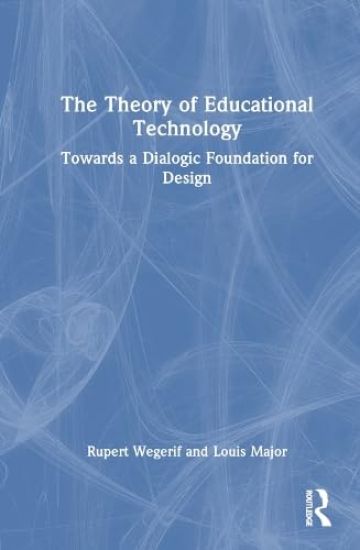
The Theory of Educational Technology

The Theory of Educational Technology

Rupert Wegerif; Louis Major

TAYLOR FRANCIS LTD
2023
nidottu
Educational technology is controversial – some see it as essential to providing free global learning, others view it as a dangerous distraction that undermines good education. In both instances, most theories that have previously been applied to educational technology do not account for the distinctive nature and vast potential of technology. This book addresses this issue, exploring how education has been bound up with technology from the beginning, and recognising that educational aims have already been shaped by technologies. Offering a ‘dialogic’ theory of educational technology, Rupert Wegerif and Louis Major respond to contemporary challenges to education within this book, including, but not limited to, climate change, misinformation on the internet and the impact of Artificial Intelligence.Chapters introduce, discuss, and contextualise key theories and illustrate through case studies their uses within a diverse range of educational contexts, spanning from primary education to adult lifelong learning. Each chapter also concludes with a short summary, demonstrating how these theories translate to practical implications for design.A fascinating response to current developments in educational technology, this is a crucial read for all involved in creating, researching or making decisions about the use of technologies within educational contexts.
The Theory of Educational Technology

The Theory of Educational Technology

Rupert Wegerif; Louis Major

TAYLOR FRANCIS LTD
2023
sidottu
Educational technology is controversial – some see it as essential to providing free global learning, others view it as a dangerous distraction that undermines good education. In both instances, most theories that have previously been applied to educational technology do not account for the distinctive nature and vast potential of technology. This book addresses this issue, exploring how education has been bound up with technology from the beginning, and recognising that educational aims have already been shaped by technologies. Offering a ‘dialogic’ theory of educational technology, Rupert Wegerif and Louis Major respond to contemporary challenges to education within this book, including, but not limited to, climate change, misinformation on the internet and the impact of Artificial Intelligence.Chapters introduce, discuss, and contextualise key theories and illustrate through case studies their uses within a diverse range of educational contexts, spanning from primary education to adult lifelong learning. Each chapter also concludes with a short summary, demonstrating how these theories translate to practical implications for design.A fascinating response to current developments in educational technology, this is a crucial read for all involved in creating, researching or making decisions about the use of technologies within educational contexts.
Pragmatik und schriftliche kommunikative Kompetenz

Pragmatik und schriftliche kommunikative Kompetenz

Shereen Ahmed; Kawther Kotb; Rupert Wegerif

Verlag Unser Wissen
2023
pokkari
Der schriftlichen kommunikativen Kompetenz wird ein wachsendes Interesse entgegengebracht. Dies ist darauf zur ckzuf hren, dass das Schreiben das wichtigste p dagogische Konstrukt darstellt, anhand dessen die Lernenden bewertet werden. Der korrekte kommunikative schriftliche Ausdruck ist eine der am schwierigsten zu erreichenden F higkeiten, vor allem bei EFL-Lernenden, da in EFL-Schreibkursen im Allgemeinen nur den sprachlichen Aspekten des Schreibens mehr Aufmerksamkeit geschenkt wird. Die Pragmatik als Ansatz f r den Unterricht von Englisch als Fremdsprache bietet den Lernenden die M glichkeit, ihre schriftlichen kommunikativen Kompetenzen zu entwickeln und die allgemeinen Regeln und Konventionen besser zu verstehen, die f r die Wahl der Sprache innerhalb eines Diskurses gelten. Mit Hilfe der unterst tzenden Technologie erhalten EFL-Lernende bessere M glichkeiten, ihr sprachliches Wissen konstruktiv zu entwickeln, ihre kommunikative Kompetenz in Englisch zu verbessern und eine interaktive Lernerfahrung zu machen.
Pragmatique et compétence en communication écrite

Pragmatique et compétence en communication écrite

Shereen Ahmed; Kawther Kotb; Rupert Wegerif

Editions Notre Savoir
2023
pokkari
La comp tence communicative crite fait l'objet d'un int r t croissant. Ceci est d au fait que l' criture constitue la principale construction ducative par laquelle les apprenants sont valu s. L'expression crite communicative correcte est l'une des comp tences les plus difficiles acqu rir, en particulier chez les apprenants EFL, car les cours d' criture EFL accordent g n ralement plus d'attention aux seuls aspects linguistiques de l' criture. La pragmatique, en tant qu'approche de l'enseignement de l'anglais langue trang re, offre aux apprenants la possibilit de d velopper leur comp tence communicative crite, de mieux comprendre les r gles et conventions communes qui r gissent les choix linguistiques dans le discours. Gr ce la technologie, les apprenants d'anglais langue trang re ont de meilleures possibilit s de d velopper leurs connaissances linguistiques de mani re constructive, d'am liorer leur comp tence communicative en anglais et de s'engager dans une exp rience d'apprentissage interactive.
Pragmática e competência comunicativa escrita

Pragmática e competência comunicativa escrita

Shereen Ahmed; Kawther Kotb; Rupert Wegerif

Edicoes Nosso Conhecimento
2023
pokkari
A compet ncia comunicativa escrita tem merecido um interesse crescente. Isto deve-se ao facto de a escrita constituir a principal constru o educativa pela qual os alunos s o avaliados. A express o comunicativa escrita correcta uma das compet ncias mais dif ceis de alcan ar, especialmente entre os aprendentes de EFL, uma vez que, geralmente, os cursos de escrita de EFL d o mais aten o apenas aos aspectos lingu sticos da escrita. A pragm tica, como abordagem ao ensino do ingl s como l ngua estrangeira, oferece aos alunos a oportunidade de desenvolverem a sua compet ncia comunicativa escrita e de compreenderem melhor as regras e conven es comuns que regem as escolhas lingu sticas no mbito do discurso. Com a tecnologia de apoio, os alunos de EFL t m mais oportunidades de desenvolver os seus conhecimentos lingu sticos de forma construtiva, melhorar a sua compet ncia comunicativa em ingl s e participar numa experi ncia de aprendizagem interactiva.
Pragmatica e competenza comunicativa scritta

Pragmatica e competenza comunicativa scritta

Shereen Ahmed; Kawther Kotb; Rupert Wegerif

Edizioni Sapienza
2023
pokkari
La competenza comunicativa scritta oggetto di un crescente interesse. Ci dovuto al fatto che la scrittura costituisce il principale costrutto educativo con cui gli studenti vengono valutati. Una corretta espressione comunicativa scritta una delle abilit pi difficili da raggiungere, soprattutto tra gli studenti EFL, poich , in genere, i corsi di scrittura EFL prestano maggiore attenzione solo agli aspetti linguistici della scrittura. La pragmatica, come approccio all'insegnamento dell'inglese come lingua straniera, offre agli studenti l'opportunit di sviluppare la loro competenza comunicativa scritta e di comprendere meglio le regole e le convenzioni comuni che governano le scelte linguistiche all'interno del discorso. Con il supporto della tecnologia, gli studenti EFL hanno maggiori opportunit di sviluppare le loro conoscenze linguistiche in modo costruttivo, di migliorare la loro competenza comunicativa in inglese e di impegnarsi in un'esperienza di apprendimento interattiva.
Dialogic Education

Dialogic Education

Neil Phillipson; Rupert Wegerif

Routledge
2016
sidottu
Dialogue has long been used in primary classrooms to stimulate thinking, but it is not always easy to unite the creative thinking of good dialogue with the need for children to understand the core concepts behind knowledge-rich subjects. A sound understanding of key concepts is essential to progress through the national curriculum, and assessment of this understanding along with effective feedback is central to good practice. Dialogic Education builds upon decades of practical classroom research to offer a method of teaching that applies the power of dialogue to achieving conceptual mastery. Easy-to-follow template lesson plans and activity ideas are provided, each of which has been tried and tested in classrooms and is known to succeed. Providing a structure for engaging children and creating an environment in which dialogue can flourish, this book is separated into three parts: Establishing a classroom culture of learning; Core concepts across the curriculum; Wider dialogues: Educational adventures in the conversation of mankind. Written to support all those in the field of primary education, this book will be an essential resource for student, trainee and qualified primary teachers interested in the educational importance of dialogue.
Dialogic Education

Dialogic Education

Neil Phillipson; Rupert Wegerif

Routledge
2016
nidottu
Dialogue has long been used in primary classrooms to stimulate thinking, but it is not always easy to unite the creative thinking of good dialogue with the need for children to understand the core concepts behind knowledge-rich subjects. A sound understanding of key concepts is essential to progress through the national curriculum, and assessment of this understanding along with effective feedback is central to good practice. Dialogic Education builds upon decades of practical classroom research to offer a method of teaching that applies the power of dialogue to achieving conceptual mastery. Easy-to-follow template lesson plans and activity ideas are provided, each of which has been tried and tested in classrooms and is known to succeed. Providing a structure for engaging children and creating an environment in which dialogue can flourish, this book is separated into three parts: Establishing a classroom culture of learning; Core concepts across the curriculum; Wider dialogues: Educational adventures in the conversation of mankind. Written to support all those in the field of primary education, this book will be an essential resource for student, trainee and qualified primary teachers interested in the educational importance of dialogue.
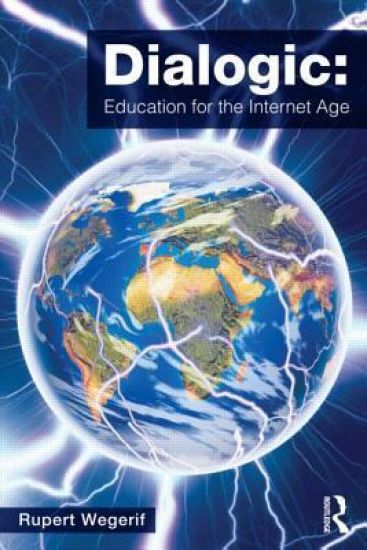
Dialogic: Education for the Internet Age
Dialogic: Education for the Internet Age argues that despite rapid advances in communications technology, most teaching still relies on traditional approaches to education, built upon the logic of print, and dependent on the notion that there is a single true representation of reality. In practice, the use of the Internet disrupts this traditional logic of education by offering an experience of knowledge as participatory and multiple. This new logic of education is dialogic and characterises education as learning to learn, think and thrive in the context of working with multiple perspectives and ultimate uncertainty. The book builds upon the simple contrast between observing dialogue from an outside point of view, and participating in a dialogue from the inside, before pinpointing an essential feature of dialogic: the gap or difference between voices in dialogue which is understood as an irreducible source of meaning. Each chapter of the book applies this dialogic thinking to a specific challenge facing education, re-thinking the challenge and revealing a new theory of education.Areas covered in the book include: dialogical learning and cognition dialogical learning and emotional intelligence educational technology, dialogic ‘spaces’ and consciousness global dialogue and global citizenship dialogic theories of science and maths educationThe challenge identified in Wegerif’s text is the growing need to develop a new understanding of education that holds the potential to transform educational policy and pedagogy in order to meet the realities of the digital age. Dialogic: Education for the Internet Age draws upon the latest research in dialogic theory, creativity and technology, and is essential reading for advanced students and researchers in educational psychology, technology and policy.
Dialogic: Education for the Internet Age
Dialogic: Education for the Internet Age argues that despite rapid advances in communications technology, most teaching still relies on traditional approaches to education, built upon the logic of print, and dependent on the notion that there is a single true representation of reality. In practice, the use of the Internet disrupts this traditional logic of education by offering an experience of knowledge as participatory and multiple. This new logic of education is dialogic and characterises education as learning to learn, think and thrive in the context of working with multiple perspectives and ultimate uncertainty. The book builds upon the simple contrast between observing dialogue from an outside point of view, and participating in a dialogue from the inside, before pinpointing an essential feature of dialogic: the gap or difference between voices in dialogue which is understood as an irreducible source of meaning. Each chapter of the book applies this dialogic thinking to a specific challenge facing education, re-thinking the challenge and revealing a new theory of education.Areas covered in the book include: dialogical learning and cognition dialogical learning and emotional intelligence educational technology, dialogic ‘spaces’ and consciousness global dialogue and global citizenship dialogic theories of science and maths educationThe challenge identified in Wegerif’s text is the growing need to develop a new understanding of education that holds the potential to transform educational policy and pedagogy in order to meet the realities of the digital age. Dialogic: Education for the Internet Age draws upon the latest research in dialogic theory, creativity and technology, and is essential reading for advanced students and researchers in educational psychology, technology and policy.
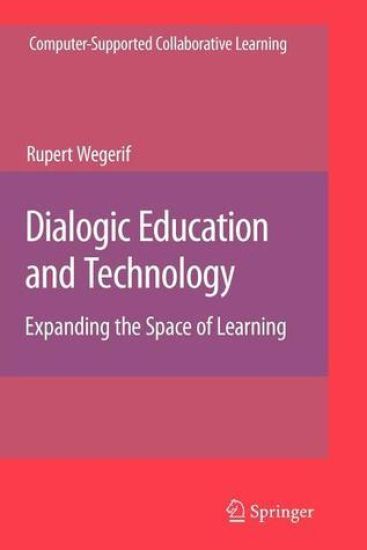
Dialogic Education and Technology

Dialogic Education and Technology

Rupert Wegerif

Springer-Verlag New York Inc.
2010
nidottu
Dialogic Education and Technology is about using new technology to draw people into the kind of dialogues which take them beyond themselves into learning, thinking and creativity. The program of research reported in this book reveals key characteristics of learning dialogues and demonstrates ways in which computers and networks can deepen, enrich and expand such dialogues. A dialogic perspective is developed drawing upon recent work in communications theory, psychology, computer science and philosophy. This perspective foregrounds the creative space opened up by authentic dialogues. Whereas studies of computer-supported collaborative learning have tended to see dialogue as a means to the end of knowledge construction the dialogic perspective taken by this book sees dialogue as an end in itself - in fact moving learners into the space of dialogue is described as the core aim of education. The central argument of the book is that there is a convergence between this dialogic perspective in education and the affordances of new information and communications technology. A genuinely dialogic perspective is relatively new to the field of educational technology and there is a considerable amount of interest in this topic amongst researchers who wish to see what extra insights, if any, a dialogical approach can offer them. "This is an exciting book that synthesizes, clarifies and extends mounting discussions of dialogical thinking related to computer-supported education [...]. It is not only a delightful personal statement, but provokes thought on central issues of CSCL and enters into challenging dialog with the relevant alternative approaches. As a result of reading this book, I am convinced that we urgently need to open new online spaces for people to understandingly interact with different perspectives and creatively generate new insight and respect for difference." -Gerry StahlExecutive Editor of the International Journal of Computer Supported Collaborative Learning This book offers a set of lenses which give deep insight into education and the use of technologies for learning. The moves between empirical studies, theoretical reflections and discussion of the design of learning environments make the book very thought provoking. Ideas are not just treated as ideas but they become transformed into principles for design. Wegerif is convincing that the use of technology for the creation, maintaining and development of dialogical spaces has the potential for transforming and expanding educational experiences in a way which offers a needed vision of learning for the future. -Sten LudvigsenDirector of the InterMedia Centre for design, communication and learning University of Oslo