Kirjojen hintavertailu. Mukana 12 390 323 kirjaa ja 12 kauppaa.

Kirjailija

Russ McDonald

Kirjat ja teokset yhdessä paikassa: 5 kirjaa, julkaisuja vuosilta 2001-2010, suosituimpien joukossa Shakespeare's Late Style. Vertaile teosten hintoja ja tarkista saatavuus suomalaisista kirjakaupoista.

5 kirjaa

Kirjojen julkaisuhaarukka 2001-2010.

Shakespeare's Late Style

Shakespeare's Late Style

Russ McDonald

Cambridge University Press
2010
pokkari
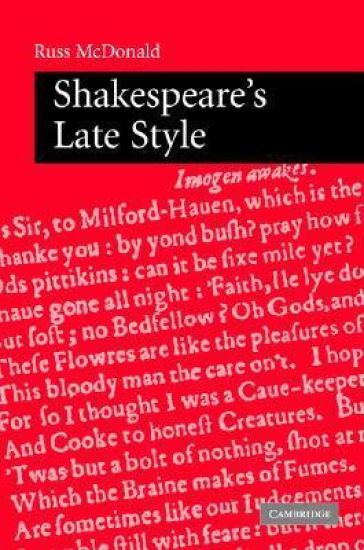
When Shakespeare gave up tragedy around 1607 and turned to the new form we call romance or tragicomedy, he created a distinctive poetic idiom that often bewildered audiences and readers. The plays of this period, Pericles, Cymbeline, The Winter's Tale, The Tempest, as well as Shakespeare's part in the collaborations with John Fletcher (Henry VIII and The Two Noble Kinsmen), exhibit a challenging verse style - verbally condensed, metrically and syntactically sophisticated, both conversational and highly wrought. In Shakespeare's Late Style, McDonald anatomizes the components of this late style, illustrating in a series of topically organized chapters the contribution of such features as ellipsis, grammatical suspension, and various forms of repetition. Resisting the sentimentality that frequently attends discussion of an artist's 'late' period, Shakespeare's Late Style shows how the poetry of the last plays reveals their creator's ambivalent attitude towards art, language, men and women, the theatre, and his own professional career.
Shakespeare's Late Style

Shakespeare's Late Style

Russ McDonald

Cambridge University Press
2006
sidottu
When Shakespeare gave up tragedy around 1607 and turned to the new form we call romance or tragicomedy, he created a distinctive poetic idiom that often bewildered audiences and readers. The plays of this period, Pericles, Cymbeline, The Winter's Tale, The Tempest, as well as Shakespeare's part in the collaborations with John Fletcher (Henry VIII and The Two Noble Kinsmen), exhibit a challenging verse style - verbally condensed, metrically and syntactically sophisticated, both conversational and highly wrought. In Shakespeare's Late Style, McDonald anatomizes the components of this late style, illustrating in a series of topically organized chapters the contribution of such features as ellipsis, grammatical suspension, and various forms of repetition. Resisting the sentimentality that frequently attends discussion of an artist's 'late' period, Shakespeare's Late Style shows how the poetry of the last plays reveals their creator's ambivalent attitude towards art, language, men and women, the theatre, and his own professional career.
Look to the Lady

Look to the Lady

Russ McDonald

University of Georgia Press
2005
sidottu
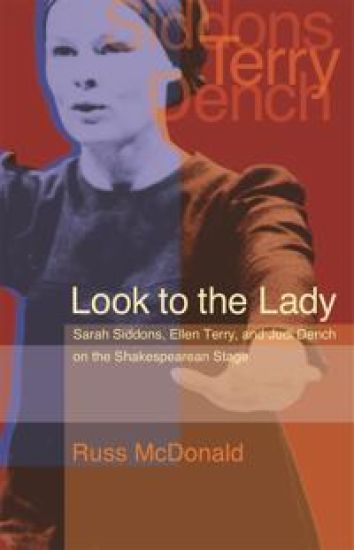
Look to the Lady examines the careers, talents, and styles of three women who were acknowledged, each in her time, as the greatest interpreter of Shakespeare's heroines: Sarah Siddons, Ellen Terry, and Judi Dench. In the eighteenth century, Siddons was celebrated for playing Shakespeare's tragic women in a heroic, even "sublime" style. Terry, who reigned over the late nineteenth-century stage, had a softer, "beautiful" style and is remembered best for her roles in Shakespeare's comedies. Dench, who still performs, has amassed a more varied résumé than either of her predecessors. Not only has Dench had the advantages of variety offered by film and television roles, says Russ McDonald, but she may also command a greater artistic range.One of McDonald's interests is in the ways Shakespearean performance influences, and is influenced by, critical and popular appraisal of the works. He also discerns parallels and distinctions in the approaches of Siddons, Terry, and Dench to the vocation of acting—specifically to Lady Macbeth and other great Shakespearean roles. Look to the Lady also helps us to better understand the place and function of the theater in British national life and what constitutes "great acting" at various historical moments. Further, by examining across time the varied attitudes of actors, critics, and audiences toward Shakespearean texts and roles, McDonald offers insights into how external forces combine with the inherent appeal of the plays to keep them fresh and new centuries after they were first written and performed.Throughout, McDonald blends learned commentary on the history and culture of the stage with entertaining details about the appearance, personality, genealogy, and private life of each actor. Including some rarely seen images and drawing on previously untapped reviews and anecdotes, this is a lively introduction to the burgeoning field of performance criticism.
Bedford Companion to Shakespeare

Bedford Companion to Shakespeare

Russ McDonald

Bedford Books
2001
nidottu
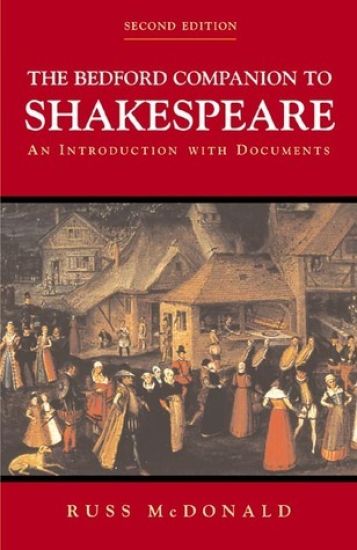
Providing a unique combination of well-written, up-to-date background information and intriguing selections from primary documents, The Bedford Companion to Shakespeare introduces students to the topics most important to the study of Shakespeare in their full historical and cultural context. This new edition contains many new documents, particularly by women and other marginalized voices from the early modern period. There is also a new chapter on Shakespeare in performance, which introduces students to the great variety of productions of Shakespeare's works over the centuries.
Shakespeare and the Arts of Language

Shakespeare and the Arts of Language

Russ McDonald

Oxford University Press
2001
nidottu
Oxford Shakespeare Topics provide students and teachers with short books on important aspects of Shakespeare criticism and scholarship. Each book is written by an authority in its field, and combines accessible style with original discussion of its subject. Notes and a critical guide to further reading equip the interested reader with the means to broaden research. For the modern reader or playgoer, English as Shakespeare used it can seem alien and puzzling: vocabulary and grammar are in transition, pronouns and verb-forms can seem unfamiliar. Moreover, the conventions of poetic drama may also pose an impediment. Shakespeare and the Arts of Language provides a clear and helpful guide to the linguistic and rhetorical dimensions of the plays and poems. Written in a lucid, non-technical style, the book starts with the story of how the English language changed throughout the sixteenth century. Subsequent chapters define Shakespeare's main artistic tools and illustrate their poetic and theatrical contributions: Renaissance rhetoric, imagery and metaphor, blank verse, prose speech, and wordplay. The conclusion surveys Shakespeare's multiple and often conflicting ideas about language, encompassing both his enthusiasm at what words can do for us and his suspicion of what words can do to us. Throughout, Russ McDonald helps his readers to appreciate a play's concerns and theatrical effects by thinking about its language in relation to other writings of the period. He also emphasizes pleasure in the physical properties of Shakespeare's words: their colour, weight, and texture, the appeal of verbal patterns, and the irresistible power of intensified language.