Kirjailija
Ruth Wilson Gilmore
Kirjat ja teokset yhdessä paikassa: 13 kirjaa, julkaisuja vuosilta 2017-2025, suosituimpien joukossa Cedric J. Robinson. Vertaile teosten hintoja ja tarkista saatavuus suomalaisista kirjakaupoista.
13 kirjaa
Kirjojen julkaisuhaarukka 2017-2025.
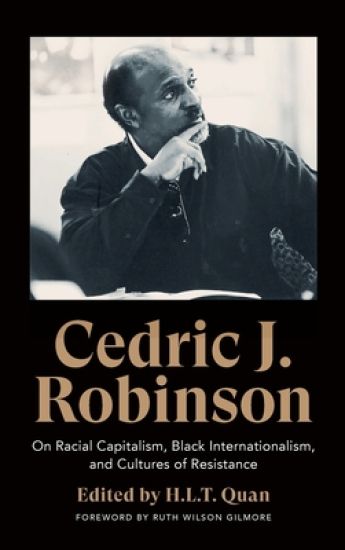
Cedric J. Robinson is considered one of the doyens of Black Studies and a pioneer in study of the Black Radical Tradition. His works have been essential texts, deconstructing racial capitalism and inspiring insurgent movements from Ferguson to the West Bank. For the first time, Robinson's essays come together, spanning over four decades and reflective of his diverse interests in the interconnections between culture and politics, radical social theory and classic and modern political philosophy. Themes explored include Africa and Black internationalism, World politics, race and US Foreign Policy, representations of blackness in popular culture, and reflections on popular resistance to racial capitalism, white supremacy and more. Accompanied by an introduction by H. L. T. Quan and a foreword by Ruth Wilson Gilmore, this collection, which includes previously unpublished materials, extends the many contributions by a giant in Black radical thought.
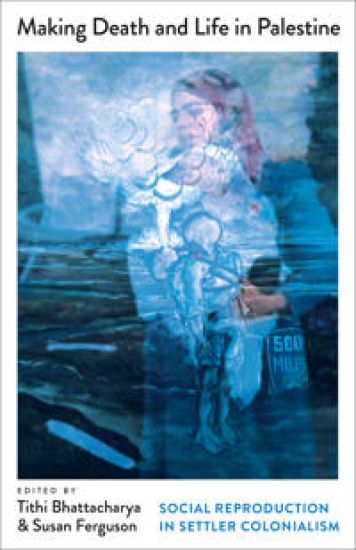
Social reproduction theory is a big idea. It explores how the daily renewal of human life, and therefore human labour, is essential to capitalism. Here, leading feminists come together to apply the theory to one of its most extreme settings - that of Palestine. Israel’s settler colonialism is premised on the eradication of Palestinian lives, undermining Palestinian social reproduction at every turn. This project, which ramped up after October 7th, does have a logic, and by examining the concrete, historically specific details, the authors begin to reshape and refine the theory of Social Reproduction, shedding light on why Israel’s assault is so brutal. Chapters look at Israel’s mass murder of a generation of Palestinians in Gaza, the effects of ecocide, the relationship between land dispossession and class, Israel’s selective pronatalism, scholasticide and other topics. By understanding this deadly logic, we can look deeper into the heart of the evils of capitalism, and stand in solidarity with Palestine.
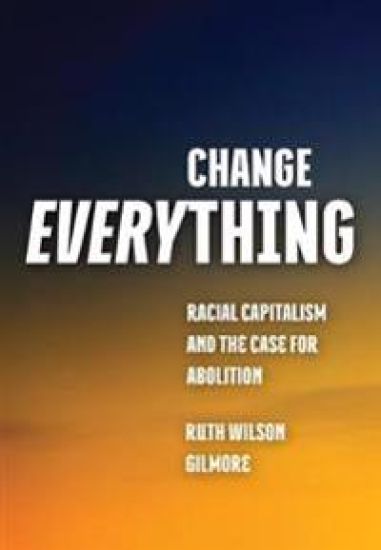
Racial, gender, and environmental justice. Class war. Militarism. Interpersonal violence. Old age security. This is not the vocabulary many use to critique the prison-industrial complex. But in this series of powerful lectures, Ruth Wilson Gilmore shows that the only way to dismantle systems and logics of control and punishment is to change questions, categories, and campaigns from the ground up. Abolitionism doesn’t just say no to police, prisons, border control, and the current punishment system. It requires persistent organizing for what we need, organizing that’s already present in the efforts people cobble together to achieve access to schools, health care and housing, art and meaningful work, and freedom from violence and want. As Gilmore makes plain, “Abolition requires that we change one thing: everything.” Change Everything is the inaugural book in the new Abolitionist Papers book series, edited by Naomi Murakawa.
Racial, gender, and environmental justice. Class war. Militarism. Interpersonal violence. Old age security. This is not the vocabulary many use to critique the prison-industrial complex. But in this series of powerful lectures, Ruth Wilson Gilmore shows that the only way to dismantle systems and logics of control and punishment is to change questions, categories, and campaigns from the ground up. Abolitionism doesn 't just say no to police, prisons, border control, and the current punishment system. It requires persistent organizing for what we need, organizing that 's already present in the efforts people cobble together to achieve access to schools, health care and housing, art and meaningful work, and freedom from violence and want. As Gilmore makes plain, "Abolition requires that we change one thing: everything." Change Everything is the inaugural book in the new Abolitionist Papers book series, edited by Naomi Murakawa.
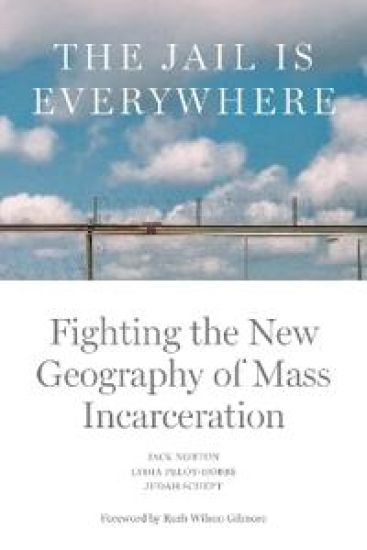
The Jail is Everywhere
Jack Norton; Lydia Pelot-Hobbs; Judah Schept; Ruth Wilson Gilmore
Verso Books
2024
nidottu
Nearly every county and major city in the United States has a jail, the short-term detention center controlled by local sheriffs that funnels people into prisons and long-term incarceration. Jails are now the fastest-growing sector of the US carceral state. As jails grow, they transform the region around them. Whole towns and small cities see health care provision and employment opportunities become subordinate to carceral concerns.If jails are everywhere, resistance is too. Campaigns against new or expanded jails have emerged in large and mid-sized cities and in dozens of small towns and rural counties across the US. While there is some coordination and communication between those involved in these struggles, they tend to be isolated from each other and from broader movements. The Jail Is Everywhere brings together an incredible range of knowledge and experience from jail fights across the country. It maps this new terrain, foregrounding the hard-forged analyses of anti-jail organizers themselves as they take us through campaigns that, while appearing local, are at the new center of the carceral state. With a foreword by Ruth Wilson Gilmore.
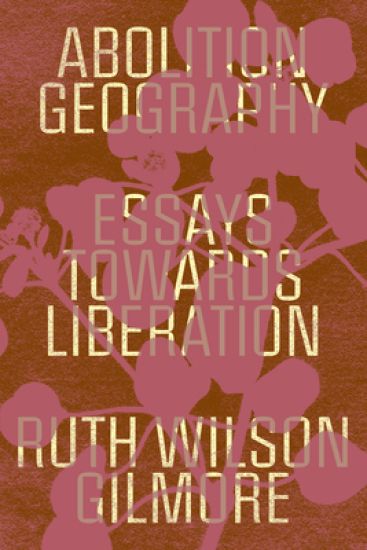
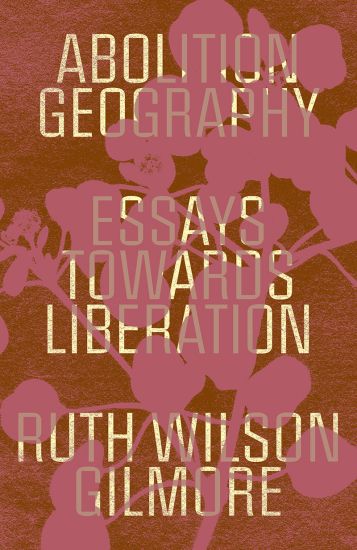
Gathering together Ruth Wilson Gilmore's work from over three decades, Abolition Geography presents her singular contribution to the politics of abolition as theorist, researcher, and organizer, offering scholars and activists ways of seeing and doing to help navigate our turbulent present.Abolition Geography moves us away from explanations of mass incarceration and racist violence focused on uninterrupted histories of prejudice or the dull compulsion of neoliberal economics. Instead, Gilmore offers a geographical grasp of how contemporary racial capitalism operates through an "anti-state state" that answers crises with the organized abandonment of people and environments deemed surplus to requirement. Gilmore escapes one-dimensional conceptions of what liberation demands, who demands liberation, or what indeed is to be abolished. Drawing on the lessons of grassroots organizing and internationalist imaginaries, Abolition Geography undoes the identification of abolition with mere decarceration, and reminds us that freedom is not a mere principle but a place.Edited with an introduction by Brenna Bhandar and Alberto Toscano.
Rehearsals for Living
Robyn Maynard; Leanne Betasamosake Simpson; Ruth Wilson Gilmore; Robin D. G. Kelley
Haymarket Books
2022
sidottu
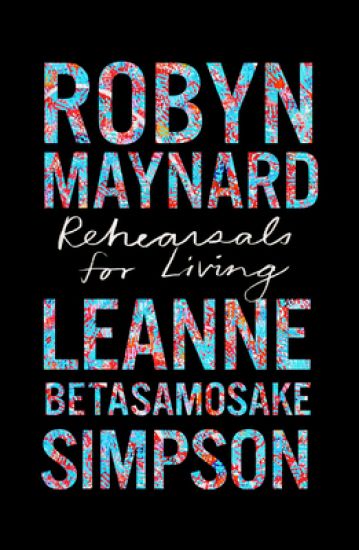
Amid the overlapping crises of a pandemic, ecological disaster, and global capitalism, two leading Black and Indigenous feminist theorists ask one another: what do liberated lands, minds, and bodies look like? These letters are part debate, part dialogue, and part lively and detailed familial correspondence between two razor-sharp thinkers, sending notes to each other during a stormy present. Featuring a foreword by Ruth Wilson Gilmore and an afterword by Robin D.G. Kelley.
Rehearsals for Living
Robyn Maynard; Leanne Betasamosake Simpson; Ruth Wilson Gilmore; Robin D. G. Kelley
Haymarket Books
2022
pokkari
Amid the overlapping crises of a pandemic, ecological disaster, and global capitalism, two leading Black and Indigenous feminist theorists ask one another: what do liberated lands, minds, and bodies look like? These letters are part debate, part dialogue, and part lively and detailed familial correspondence between two razor-sharp thinkers, sending notes to each other during a stormy present. Featuring a foreword by Ruth Wilson Gilmore and an afterword by Robin D.G. Kelley.
Gathering together Ruth Wilson Gilmore's work from over three decades, Abolition Geography presents her singular contribution to the politics of abolition as theorist, researcher, and organizer, offering scholars and activists ways of seeing and doing to help navigate our turbulent present.Abolition Geography moves us away from explanations of mass incarceration and racist violence focused on uninterrupted histories of prejudice or the dull compulsion of neoliberal economics. Instead, Gilmore offers a geographical grasp of how contemporary racial capitalism operates through an "anti-state state" that answers crises with the organized abandonment of people and environments deemed surplus to requirement. Gilmore escapes one-dimensional conceptions of what liberation demands, who demands liberation, or what indeed is to be abolished. Drawing on the lessons of grassroots organizing and internationalist imaginaries, Abolition Geography undoes the identification of abolition with mere decarceration, and reminds us that freedom is not a mere principle but a place.Edited with an introduction by Brenna Bhandar and Alberto Toscano.
America's Johannesburg
Bobby M. Wilson; Ruth Wilson Gilmore
University of Georgia Press
2019
pokkari
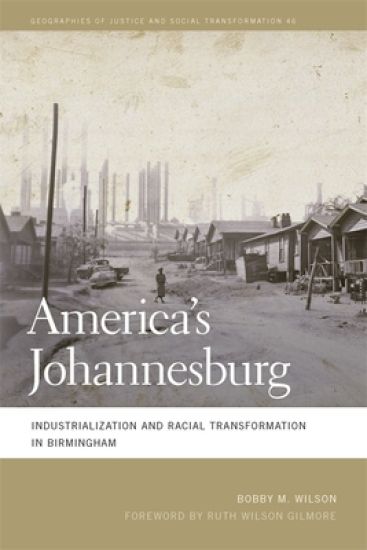
In some ways, no American city symbolizes the black struggle for civil rights more than Birmingham, Alabama. During the 1950s and 1960s, Birmingham gained national and international attention as a center of activity and unrest during the civil rights movement. Racially motivated bombings of the houses of black families who moved into new neighborhoods or who were politically active during this era were so prevalent that Birmingham earned the nickname “Bombingham.”In this critical analysis of why Birmingham became such a national flashpoint, Bobby M. Wilson argues that Alabama’s path to industrialism differed significantly from that of states in the North and Midwest. True to its antebellum roots, no other industrial city in the United States depended as much on the exploitation of black labor so early in its urban development as Birmingham.A persuasive exploration of the links between Alabama’s slaveholding order and the subsequent industrialization of the state, America’s Johannesburg demonstrates that arguments based on classical economics fail to take into account the ways in which racial issues influenced the rise of industrial capitalism.
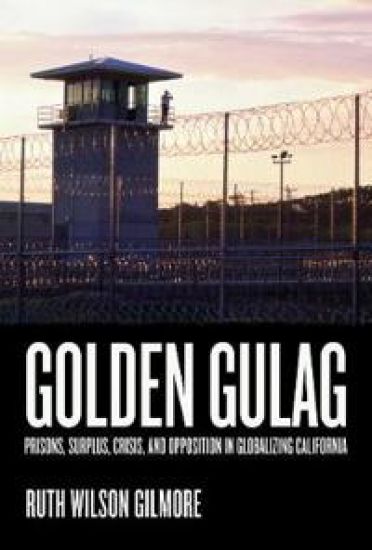
Despite a crime rate that has been falling steadily for decades, California has, what a state analyst called, “the biggest prison building project in the history of the world.” The first detailed explanation of California’s expanding prison population, Ruth Wilson Gilmore’s landmark, award-winning Golden Gulag looks at how political and economic forces, ranging from global to local, conjoined to produce the prison boom. Detailing crises that hit California’s economy with particular ferocity, Gilmore argues that defeats of radical struggles, weakening of labor, and shifting patterns of capital investment have been key conditions for prison growth. The results—a vast and expensive prison system, a huge number of incarcerated young people of color, and the increase in punitive justice such as the “three strikes” law—pose profound and troubling questions for the future of California, the United States, and the world. This revised second edition further connects California’s prison model to broader national and international trends, and updates readers with developments in the 21st century, including mounting grassroots opposition to the carceral state and a changing public understanding of why mass incarceration matters today.
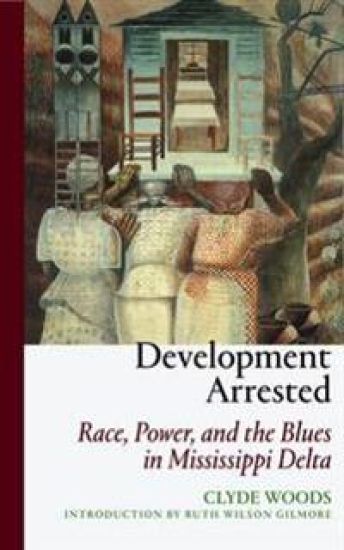
How could the Mississippi Delta, one of the world's most prolific cultural centres, be demolished by a predictable natural disaster? This revised edition of Clyde Woods's classic book examines disaster relief and reconstruction conflicts after Hurricane Katrina. Development Arrested also traces the decline and resurrection of plantation ideology in national public policy discourse from Thomas Jefferson to George W. Bush, documenting the unceasing attacks on the gains of the Civil Rights Movement and how, despite having suffered countless defeats at the hands of the planter regime, African Americans in the Delta region have continued to push forward their agenda for social, economic and cultural justice. Woods examines the role of the blues in sustaining their efforts, surveying a musical tradition including jazz, rock and roll, soul and hiphop that has embraced a radical vision of social change.