Kirjojen hintavertailu. Mukana 12 595 353 kirjaa ja 12 kauppaa.

Kirjailija

Rutherford Susan

Kirjat ja teokset yhdessä paikassa: 4 kirjaa, julkaisuja vuosilta 2006-2017, suosituimpien joukossa Verdi, Opera, Women. Vertaile teosten hintoja ja tarkista saatavuus suomalaisista kirjakaupoista.

4 kirjaa

Kirjojen julkaisuhaarukka 2006-2017.

Verdi, Opera, Women

Verdi, Opera, Women

Rutherford Susan

Cambridge University Press
2017
pokkari
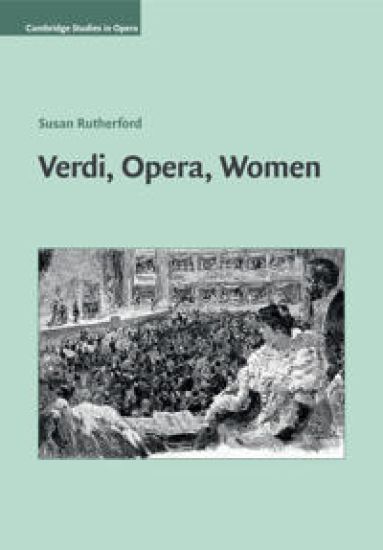
Verdi's operas - composed between 1839 and 1893 - portray a striking diversity of female protagonists: warrior women and peacemakers, virgins and courtesans, princesses and slaves, witches and gypsies, mothers and daughters, erring and idealised wives, and, last of all, a feisty quartet of Tudor townswomen in Verdi's final opera, Falstaff. Yet what meanings did the impassioned crises and dilemmas of these characters hold for the nineteenth-century female spectator, especially during such a turbulent span in the history of the Italian peninsula? How was opera shaped by society - and was society similarly influenced by opera? Contextualising Verdi's female roles within aspects of women's social, cultural and political history, Susan Rutherford explores the interface between the reality of the spectators' lives and the imaginary of the fictional world before them on the operatic stage.
Verdi, Opera, Women

Verdi, Opera, Women

Rutherford Susan

Cambridge University Press
2013
sidottu
Verdi's operas - composed between 1839 and 1893 - portray a striking diversity of female protagonists: warrior women and peacemakers, virgins and courtesans, princesses and slaves, witches and gypsies, mothers and daughters, erring and idealised wives, and, last of all, a feisty quartet of Tudor townswomen in Verdi's final opera, Falstaff. Yet what meanings did the impassioned crises and dilemmas of these characters hold for the nineteenth-century female spectator, especially during such a turbulent span in the history of the Italian peninsula? How was opera shaped by society - and was society similarly influenced by opera? Contextualising Verdi's female roles within aspects of women's social, cultural and political history, Susan Rutherford explores the interface between the reality of the spectators' lives and the imaginary of the fictional world before them on the operatic stage.
The Prima Donna and Opera, 1815–1930

The Prima Donna and Opera, 1815–1930

Rutherford Susan

Cambridge University Press
2009
pokkari
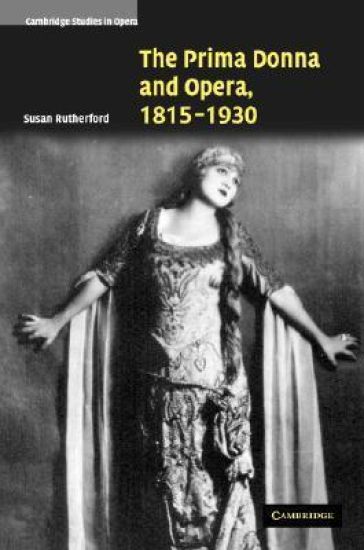
This book is concerned not so much with the 'prima donna' as with prime donne: a group of working artists (sometimes famous but more often relatively unknown and now long forgotten) and the circumstances of their professional lives. It attempts to locate these singers within a broader history, including not only the specificities of operatic stage practice but the life beyond the opera house - the social, cultural and political framing that shaped individual experience, artistic endeavour and audience reception. Rutherford addresses questions such as the multiple discourses on the image of the singer and their impact on the changing profile of the professional artist from figlia dell'arte at the beginning of the era to middle-class woman at the end; the aspect of the 'stage mother' and patronage; issues of vocal training and tuition; professional life in the operatic market-place; and performance (both vocal and dramatic) conventions and practices.
The Prima Donna and Opera, 1815–1930

The Prima Donna and Opera, 1815–1930

Rutherford Susan

Cambridge University Press
2006
sidottu
This book is concerned not so much with the 'prima donna' as with prime donne: a group of working artists (sometimes famous but more often relatively unknown and now long forgotten) and the circumstances of their professional lives. It attempts to locate these singers within a broader history, including not only the specificities of operatic stage practice but the life beyond the opera house - the social, cultural and political framing that shaped individual experience, artistic endeavour and audience reception. Rutherford addresses questions such as the multiple discourses on the image of the singer and their impact on the changing profile of the professional artist from figlia dell'arte at the beginning of the era to middle-class woman at the end; the aspect of the 'stage mother' and patronage; issues of vocal training and tuition; professional life in the operatic market-place; and performance (both vocal and dramatic) conventions and practices.