Kirjojen hintavertailu. Mukana 12 595 353 kirjaa ja 12 kauppaa.

Kirjailija

S. Harris Ali

Kirjat ja teokset yhdessä paikassa: 4 kirjaa, julkaisuja vuosilta 2016-2022, suosituimpien joukossa Environmental Management. Vertaile teosten hintoja ja tarkista saatavuus suomalaisista kirjakaupoista.

4 kirjaa

Kirjojen julkaisuhaarukka 2016-2022.

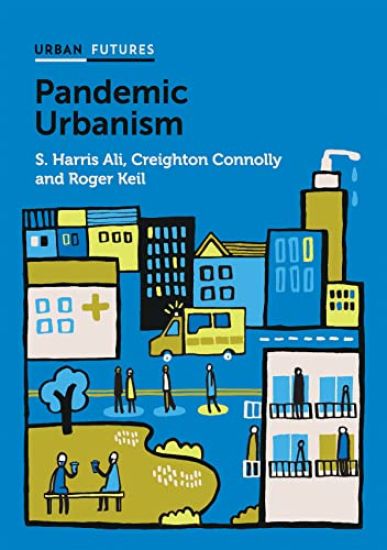
Pandemic Urbanism

Pandemic Urbanism

S. Harris Ali; Creighton Connolly; Roger Keil

JOHN WILEY AND SONS LTD
2022
nidottu
Emerging infectious disease outbreaks have transformed the very nature of urban life worldwide, even as the extent and experience of pandemics are shaped by the planetary urban condition. Pandemic Urbanism critically investigates these relationships in a world faced with its first pandemic on a majority urban planet. The authors reveal the social and historical context of recent infectious disease events and how they have variously transformed the urban fabric. They highlight the important role played by socio-ecological processes associated with the global urban periphery – suburban or post-suburban zones and hinterland areas of “extended” urbanization – changing mobility patterns, and new forms of urban governance and pandemic response. The book develops novel insights for post-pandemic urban governance and planning grounded in the quest for social and spatial justice. In doing so, it reveals a paradox at the heart of pandemic urbanism: urban life enables contagion to spread easily, yet at the same time offers unique possibilities to contain and respond to disease outbreaks. Multidisciplinary in approach and written by experts in the field, this book is an invaluable primer on the origins, pathways, and management of infectious disease.
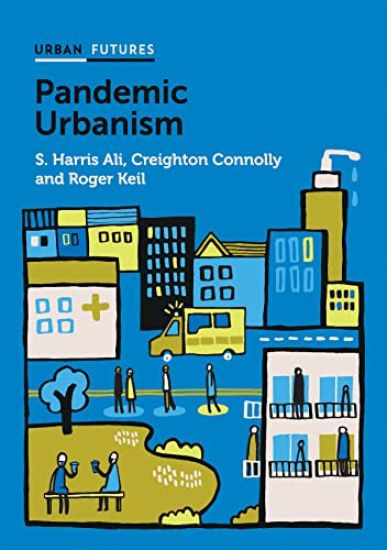
Pandemic Urbanism

Pandemic Urbanism

S. Harris Ali; Creighton Connolly; Roger Keil

JOHN WILEY AND SONS LTD
2022
sidottu
Emerging infectious disease outbreaks have transformed the very nature of urban life worldwide, even as the extent and experience of pandemics are shaped by the planetary urban condition. Pandemic Urbanism critically investigates these relationships in a world faced with its first pandemic on a majority urban planet. The authors reveal the social and historical context of recent infectious disease events and how they have variously transformed the urban fabric. They highlight the important role played by socio-ecological processes associated with the global urban periphery – suburban or post-suburban zones and hinterland areas of “extended” urbanization – changing mobility patterns, and new forms of urban governance and pandemic response. The book develops novel insights for post-pandemic urban governance and planning grounded in the quest for social and spatial justice. In doing so, it reveals a paradox at the heart of pandemic urbanism: urban life enables contagion to spread easily, yet at the same time offers unique possibilities to contain and respond to disease outbreaks. Multidisciplinary in approach and written by experts in the field, this book is an invaluable primer on the origins, pathways, and management of infectious disease.
Environmental Management

Environmental Management

Peter Mulvihill; S. Harris Ali

Routledge
2016
nidottu
The field of Environmental Management (EM) involves a broad and evolving repertoire of practices. The field originated around 1970 in response to new policy, regulation and public concern about environmental issues. EM has undergone many changes and improvements since then, progressing from a reactive, compliance-based focus toward, in leading cases, practices reflecting strong commitment to sustainability. And yet, EM remains, for the most part, ill-equipped to deal with the complex and highly uncertain implications of the ecological crisis. Environmental Management offers a rigorous critique of conventional EM and explores alternative ideas, frameworks and approaches that are currently considered "fringe", but which have the potential to transform the practice of EM. This book goes beyond narrow definitions and considers questions regarding the purpose, roles, scope and potential of environmental management. EM is situated and contextualized within the evolving and expanding realm of environment and sustainability literature. The book argues that new approaches to EM need to be more flexible, imaginative and better equipped to address future environmental problems of a scale and severity previously unforeseen. This book will be of great interest to students and scholars of environmental management, environmental planning, resource management, and environmental assessment.
Environmental Management

Environmental Management

Peter Mulvihill; S. Harris Ali

Routledge
2016
sidottu
The field of Environmental Management (EM) involves a broad and evolving repertoire of practices. The field originated around 1970 in response to new policy, regulation and public concern about environmental issues. EM has undergone many changes and improvements since then, progressing from a reactive, compliance-based focus toward, in leading cases, practices reflecting strong commitment to sustainability. And yet, EM remains, for the most part, ill-equipped to deal with the complex and highly uncertain implications of the ecological crisis. Environmental Management offers a rigorous critique of conventional EM and explores alternative ideas, frameworks and approaches that are currently considered "fringe", but which have the potential to transform the practice of EM. This book goes beyond narrow definitions and considers questions regarding the purpose, roles, scope and potential of environmental management. EM is situated and contextualized within the evolving and expanding realm of environment and sustainability literature. The book argues that new approaches to EM need to be more flexible, imaginative and better equipped to address future environmental problems of a scale and severity previously unforeseen. This book will be of great interest to students and scholars of environmental management, environmental planning, resource management, and environmental assessment.