Kirjojen hintavertailu. Mukana 12 595 353 kirjaa ja 12 kauppaa.

Kirjailija

S. Lone

Kirjat ja teokset yhdessä paikassa: 5 kirjaa, julkaisuja vuosilta 1994-2001, suosituimpien joukossa The Japanese Community in Brazil, 1908 - 1940. Vertaile teosten hintoja ja tarkista saatavuus suomalaisista kirjakaupoista.

5 kirjaa

Kirjojen julkaisuhaarukka 1994-2001.

The Japanese Community in Brazil, 1908 - 1940
On the eve of the Pacific war (1941-45), there were 198,000 Japanese in Brazil, the largest expatriate body outside East Asia. Yet the origins of this community have been obscured. The English-language library is threadbare while Japanese scholars routinely insist that life outside of Japan was filled with shock and hardship so that, as one historian asserted, 'their bodies were in Brazil but their minds were always in Japan'. This study redraws the world of the overseas Japanese. Using the Japanese-language press of Brazil, it explains the development of a community with its own, often aggressively independent or ironic views of identity, institutions, education, leisure, and on Japan itself. Emphasising the success of Japanese migrants and the openness of Brazilian society, it challenges the perceived wisdom that contact between Japanese and other peoples was always marked by hostility and racism.
The Japanese Community in Brazil, 1908 - 1940
On the eve of the Pacific war (1941-45), there were 198,000 Japanese in Brazil, the largest expatriate body outside East Asia. Yet the origins of this community have been obscured. The English-language library is threadbare while Japanese scholars routinely insist that life outside of Japan was filled with shock and hardship so that, as one historian asserted, 'their bodies were in Brazil but their minds were always in Japan'. This study redraws the world of the overseas Japanese. Using the Japanese-language press of Brazil, it explains the development of a community with its own, often aggressively independent or ironic views of identity, institutions, education, leisure, and on Japan itself. Emphasising the success of Japanese migrants and the openness of Brazilian society, it challenges the perceived wisdom that contact between Japanese and other peoples was always marked by hostility and racism.
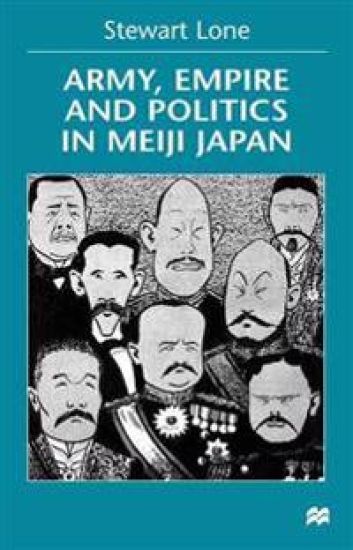
Army, Empire and Politics in Meiji Japan
Dramatic innovations in modern Japan include a mass army, overseas empire, and constitutional polity. This is the first book to link these changes in the Meiji era (1868-1912). It focuses on the life of General Katsura Taro, one of the architects of the modern military, a leading figure in Japanese colonialism, and prime minister through the 1900s. Challenging the received wisdom about Japanese militarism and imperialism, it exposes the army's ambivalence about empire but also its positive role in political change.
Army, Empire and Politics in Meiji Japan
Dramatic innovations in modern Japan include a mass army, overseas empire, and constitutional polity. This is the first book to link these changes in the Meiji era (1868-1912). It focuses on the life of General Katsura Taro, one of the architects of the modern military, a leading figure in Japanese colonialism, and prime minister through the 1900s. Challenging the received wisdom about Japanese militarism and imperialism, it exposes the army's ambivalence about empire but also its positive role in political change.
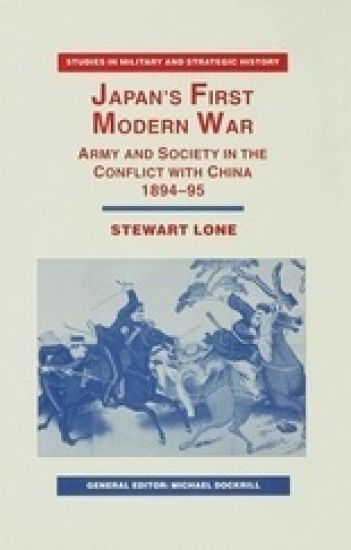
Japan's First Modern War

Japan's First Modern War

S. Lone

Palgrave Macmillan
1994
sidottu
This is the first ever English-language study of the war which established Japan's image as a warrior nation, an image which in many ways persists today. Using extensive Japanese materials, including the letters of frontline troops and provincial newspapers, it presents the diverse experience both of soldiers and civilians and reveals how war accelerated the modernization of Japanese society. Included are such topics as the soldiers' impressions of duty, nation, and their 'fellow' Asians; the role of the emperor as commander-in-chief; the use of the war in schools; as well as the activities of small business, institutional religion, and patriotic societies.