Kirjojen hintavertailu. Mukana 12 514 293 kirjaa ja 12 kauppaa.

Kirjailija

Sabine Eckmann

Kirjat ja teokset yhdessä paikassa: 7 kirjaa, julkaisuja vuosilta 2007-2016, suosituimpien joukossa Spotlights. Vertaile teosten hintoja ja tarkista saatavuus suomalaisista kirjakaupoista.

7 kirjaa

Kirjojen julkaisuhaarukka 2007-2016.

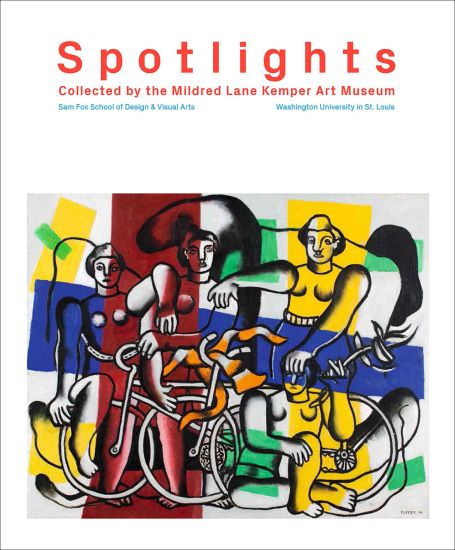
Spotlights

Spotlights

Sabine Eckmann

Washington University, Mildred Lane Kemper Art Museum
2016
sidottu
In 2015, the U.S. News & World Report raved that the Mildred Lane Kemper Art Museum "houses one of the most distinguished university collections in the country." Spotlights on the Collection commemorates the museum's ten-year anniversary in its new building at Washington University in St. Louis. Accompanying a major reinstallation of the illustrious permanent collection, this volume gathers fifty "spotlight" essays exploring individual works from the thirteenth to the twenty-first century. Illuminating both famous and lesser known works by a range of artists from Durer to Rembrandt, Pollock to de Kooning this book departs from conventional "masterpieces" or period approaches to present a sampling of ongoing and new research from a variety of scholarly voices. Approximately forty contributors offer perspectives on works of their own choosing from the museum's collection, which has been growing since 1881. More than a catalog, this book is a vivid celebration of the Mildred Lane Kemper Art Museum's storied history of collecting and scholarship.
Sharon Lockhart: Lunch Break III

Sharon Lockhart: Lunch Break III

Sabine Eckmann

Washington University, Mildred Lane Kemper Art Museum
2014
nidottu
Sharon Lockhart: Lunch Break III is the third volume in a series examining the work of acclaimed video artist and photographer Sharon Lockhart. Known for collaborating with remote or marginal communities such as blue-collar workers of the twenty-first century, as she did in Sharon Lockhart: Lunch Break I, the artist also blurs the line between photography, video art, and documentary. The results are staged and artificial, yet at the same time intimate and deeply human. Her newest museum installations also incorporate artworks and utilitarian objects made by others, expanding upon earlier forms of institutional critique. This book includes essays by curators and scholars who provide an international perspective on the artist's evolving series. Stunningly illustrated, Sharon Lockhart: Lunch Break III serves as a reminder of the power and beauty of Lockhart's art.
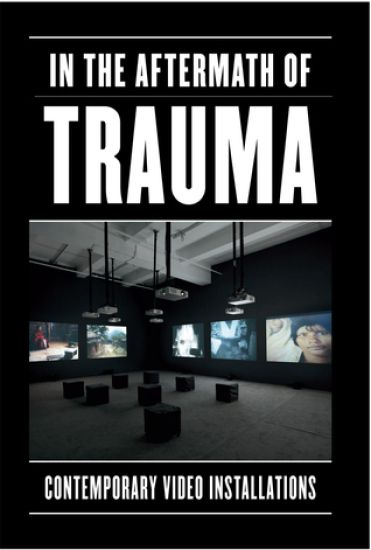
In the Aftermath of Trauma

In the Aftermath of Trauma

Sabine Eckmann

Washington University, Mildred Lane Kemper Art Museum
2014
nidottu
Published in conjunction with an exhibition of the same name at the Mildred Lane Kemper Art Museum, In the Aftermath of Trauma presents the work of contemporary video artists from around the world who use their medium to probe traumatic experiences and their aftermath. Engaging with historical events such as the Holocaust, the terrorist attacks of 9/11, the Vietnam War, and the conflicts between India and Pakistan, these artists use the semi-documentary format to delve into the very nature of trauma, offering ways of comprehension that go beyond either head-on confrontation or denial and repression. In lieu of this dichotomy, each piece in the exhibition reveals a more nuanced and complex relationship between the past event and its present ramifications. The works in the exhibition have a thematic emphasis on the present aftereffects of historical trauma and the future possibility of closure in either the real world or the imaginary realms of the artists. Replete with beautiful color images of each installation, the book is rounded out with an essay by Sabine Eckmann that looks at the relationship between trauma and contemporary art and contextualizes the pieces included in the book.
Precarious Worlds

Precarious Worlds

Sabine Eckmann

Washington University, Mildred Lane Kemper Art Museum
2012
sidottu
Taking as its impetus a group of important new acquisitions at the Mildred Lane Kemper Art Museum, "Precarious Worlds" explores thematic connections between some of the most influential artists working in Germany today. Works by Franz Ackermann, Cosima von Bonin, Charline von Heyl, Thomas Demand, Hans-Peter Feldmann, Isa Genzken, Sergej Jensen, Michel Majerus, Manfred Pernice, Wolfgang Tillmans, and Corinne Wasmuht are examined in light of how they mediate the radical political and societal transformations that followed the fall of the Berlin Wall and the end of the Cold War as well as the worldwide effects of the digital age. Characteristics such as the fragility of objects, the disorientation of visual perception and geographical location, and the instability of both historical memory and notions of the "real" recur throughout these otherwise diverse and unique paintings, photographs, installations, sculptures, and fabric works. This fully illustrated color catalog includes an essay by Sabine Eckmann and extended entries on each work by Svea Braunert.
Thaddeus Strode

Thaddeus Strode

Sabine Eckmann; Meredith Malone

Washington University, Mildred Lane Kemper Art Museum
2008
sidottu
Thaddeus Strode's vibrant large-scale paintings are universes unto themselves: wild mash-ups of California surf and skateboard culture, Zen philosophy, rock music, literature, film, and comic books. "Absolutes and Nothings" marks the artist's first major museum show, presented as part of the Mildred Lane Kemper Art Museum's "Contemporary Projects" series.Strode's images draw on a wealth of motifs inspired by a broad range of sources in popular culture, freely combined with the artist's own creations. The strength and visual pleasure of Strode's aesthetic come from his self-reflexive combination of painterly styles and incongruous elements, in which enigmatic texts, phantoms, monsters, and castaways play off one another to produce cryptic - and captivating - fantasies. Including over two dozen full-color images of works from 2001 to the present, as well as essays by Sabine Eckmann, Meredith Malone, and Benjamin Weissman, "Absolutes and Nothings" is a fascinating premier monograph from one of our most vital and exciting contemporary visual artists.
Window - Interface

Window - Interface

Sabine Eckmann; Lutz P. Koepnick

Washington University, Mildred Lane Kemper Art Museum
2007
nidottu
Windows both connect and divide interior and exterior, public and private spaces. Interfaces update the function of the window in today's world of omni-present screens and digital information. "Window| Interface", based on a forthcoming exhibition at the Mildred Lane Kemper Art Museum, explores how artists such as Olafur Eliasson, Cerith Wyn Evans, Monika Fleischmann, Kirsten Geisler, Pierre Huyghe, Richard Long, and others have addressed the role of windows and interfaces as mediums of perception and transport. The book investigates art that explores the limits of the body in relation to the surrounding world and reveals the embodied character of human experience. Lavishly illustrated and accompanied by essays that situate the exhibition in the context of contemporary art, this volume is the second in the Kemper Art Museum's "Screen Arts and New Media Aesthetics" series, inaugurated in 2006.
[Grid< >Matrix]

[Grid< >Matrix]

Sabine Eckmann; Lutz P. Koepnick

Washington University, Mildred Lane Kemper Art Museum
2007
nidottu
Shaping everyday landscapes from cities to factories, the grid - an arrangement of individual elements along perpendicular lines - has been a basic structure of modern life. The matrix, in contrast, pushes the grid into the digital frontier, freeing it from its confinement to two dimensions. Featuring bold new essays by Sabine Eckmann and Lutz Koepnick, curators of the Mildred Lane Kemper Art Museum exhibition that shares its name, "[GridMatrix]" traces the complex relationship of these different yet intertwined methods of organizing the visual world and how we represent it in art. The inaugural volume of the Museum's Screen Arts and New Media Aesthetics series of special exhibitions and publications, "[GridMatrix]" explores the continuities and ruptures between the analog and the digital, and between the organizational principles of older and newer media. It examines the ubiquity of screens in contemporary life and illuminates the impact of the digital on artistic practice and aesthetic experience alike.