Kirjojen hintavertailu. Mukana 12 595 353 kirjaa ja 12 kauppaa.

Kirjailija

Sam Power

Kirjat ja teokset yhdessä paikassa: 4 kirjaa, julkaisuja vuosilta 2020-2022, suosituimpien joukossa Understanding Corruption. Vertaile teosten hintoja ja tarkista saatavuus suomalaisista kirjakaupoista.

4 kirjaa

Kirjojen julkaisuhaarukka 2020-2022.

Understanding Corruption

Understanding Corruption

Robert Barrington; Elizabeth David-Barrett; Sam Power; Dan Hough

AGENDA PUBLISHING
2022
nidottu
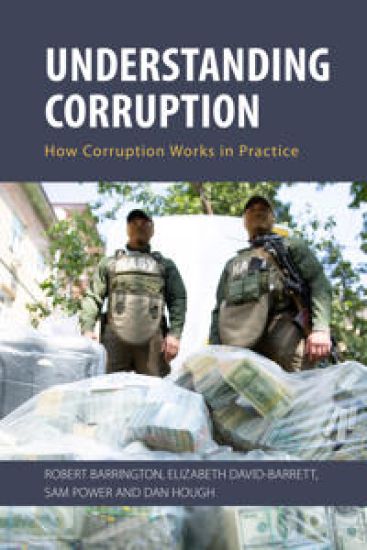
Corruption takes many different forms and the systems that enable it are complex and challenging. To best understand corruption, one needs to examine how it operates in practice. Understanding Corruption tells the story of how corruption happens in the real world, illustrated through detailed case studies of the many different types of corruption that span the globe. Each case study follows a tried and tested analytical approach that provides key insights into the workings of corruption and the measures best used to tackle it. The case studies examined include examples of corporate bribery, political corruption, facilitation payments, cronyism, state capture, kleptocracy, asset recovery, offshore secrecy, reputation laundering and unexplained wealth, and actors include businesses, governments, politicians, governing bodies and public servants.
Understanding Corruption

Understanding Corruption

Robert Barrington; Elizabeth David-Barrett; Sam Power; Dan Hough

AGENDA PUBLISHING
2022
sidottu
Corruption takes many different forms and the systems that enable it are complex and challenging. To best understand corruption, one needs to examine how it operates in practice. Understanding Corruption tells the story of how corruption happens in the real world, illustrated through detailed case studies of the many different types of corruption that span the globe. Each case study follows a tried and tested analytical approach that provides key insights into the workings of corruption and the measures best used to tackle it. The case studies examined include examples of corporate bribery, political corruption, facilitation payments, cronyism, state capture, kleptocracy, asset recovery, offshore secrecy, reputation laundering and unexplained wealth, and actors include businesses, governments, politicians, governing bodies and public servants.
Party Funding and Corruption

Party Funding and Corruption

Sam Power

Springer Nature Switzerland AG
2021
nidottu
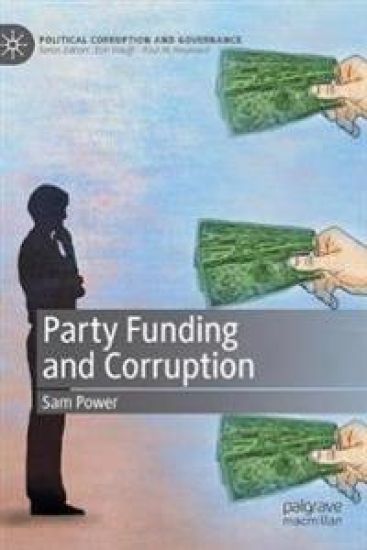
This book systematically explores the relationship between party funding and corruption, and addresses fundamental concerns in the continued consideration of how democracy should function. The book analyses whether parties funded primarily through private donations are necessarily more corrupt than those funded by the state, and whether different types of corruption are evident in different funding regimes. Drawing on a comparison of Great Britain and Denmark, the author argues that levels of state subsidy are, in fact, unrelated to the type of corruption found. Subsidies are not a cure for corruption or, importantly, perceived corruption, so if they are to be introduced or sustained, this should be done for other reasons. Subsidies can, for example, be justified on grounds of public utility. Meanwhile, anti-corruption measures should focus on other regulations, but even then we should not expect such measures to impact on perceptions of corruption in the short term.
Party Funding and Corruption

Party Funding and Corruption

Sam Power

Springer Nature Switzerland AG
2020
sidottu
This book systematically explores the relationship between party funding and corruption, and addresses fundamental concerns in the continued consideration of how democracy should function. The book analyses whether parties funded primarily through private donations are necessarily more corrupt than those funded by the state, and whether different types of corruption are evident in different funding regimes. Drawing on a comparison of Great Britain and Denmark, the author argues that levels of state subsidy are, in fact, unrelated to the type of corruption found. Subsidies are not a cure for corruption or, importantly, perceived corruption, so if they are to be introduced or sustained, this should be done for other reasons. Subsidies can, for example, be justified on grounds of public utility. Meanwhile, anti-corruption measures should focus on other regulations, but even then we should not expect such measures to impact on perceptions of corruption in the short term.