Kirjojen hintavertailu. Mukana 12 595 353 kirjaa ja 12 kauppaa.

Kirjailija

Sameet M Kumar

Kirjat ja teokset yhdessä paikassa: 3 kirjaa, julkaisuja vuosilta 2005-2024, suosituimpien joukossa How to Grieve What We've Lost. Vertaile teosten hintoja ja tarkista saatavuus suomalaisista kirjakaupoista.

3 kirjaa

Kirjojen julkaisuhaarukka 2005-2024.

How to Grieve What We've Lost

How to Grieve What We've Lost

Alexandra Kennedy; Mary Beth Williams; Russ Harris; Sameet M Kumar; Soili Poijula

NEW HARBINGER PUBLICATIONS
2024
pokkari
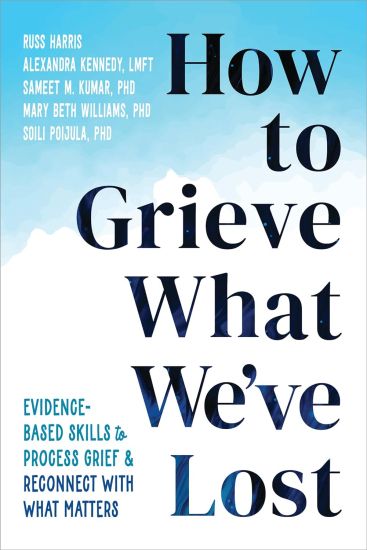
Grief is a journey that can lead to powerful, personal growth. This compassionate guide, written by a team of mental health and grief experts, will help you heal the pain of loss—no matter the cause—and move forward in life with a renewed sense of meaning and purpose.Grief comes in many forms. You may grieve a loved one who has passed on, a romantic relationship which has ended, the loss of a job you loved, or even a place you used to go that no longer exists or has changed. You may also be dealing with another kind of loss—a sense of who you are and how you can live your life in an increasingly uncertain and changed world. But what if you could transform your grief into lasting positive growth?Filled with the most effective therapeutic tools drawn from acceptance and commitment therapy (ACT), mindfulness, cognitive behavioral therapy (CBT), and more, How to Grieve What We’ve Lost will help you heal from the pain of loss, move forward, and reconnect with what truly matters to you right now. You’ll find strategies for immediate relief—including present-moment awareness and mindful breathing. You’ll learn how to create a safe sanctuary for your grief, so you can honor your feelings and give them the space they deserve. And you’ll discover ways to create a support network, give voice to your sorrow, and share your humanity with others.This heartfelt guide also includes simple tools to help you: ·Identify the things that really matter to you ·Honor your grief ·Prioritize your mental health and self-care ·Learn and grow from your loss Whether you are struggling with your own loss or a collective sense of grief, the evidence-based skills in this book will help you mourn in healthy and resilient ways—leading to profound personal growth and a renewed sense of meaning and purpose in life.
The Mindful Path Through Worry and Rumination

The Mindful Path Through Worry and Rumination

Sameet M Kumar

New Harbinger Publications
2009
nidottu
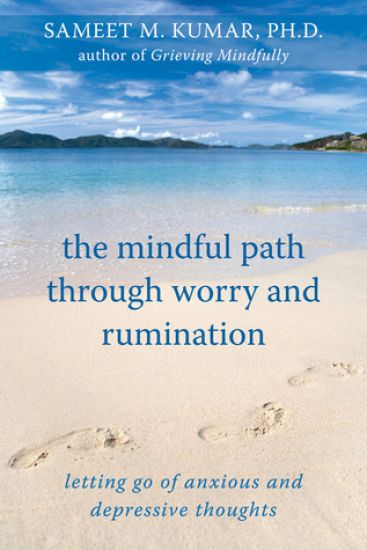
People who worry focus on problems and potential disasters, while people who ruminate focus on regrets and mistakes. Common topics for worry and rumination include fears about interpersonal relationships, guilt, decision-making, and unsatisfied life goals. Worriers fear the future and ruminators dwell on the past, but they have one thing in common - both are unable to focus their attention to the present. What's more, excessive worry and rumination can lead to depression and generalized anxiety disorder. "The Mindful Path Through Worry and Rumination" helps readers end these negative, passive mental habits and take up the new habit of mindfulness. In this book, readers use a combination of Buddhist spiritual practices and proven psychological strategies to learn to let go of what they cannot control - the past and the future - and focus instead on the present. Mindfulness, daily wellness routines that can serve as healthy cognitive distractions and behavioural goals will guide readers to more content lives free of the distress of worry and rumination.
Grieving Mindfully

Grieving Mindfully

Sameet M Kumar

New Harbinger Publications
2005
nidottu
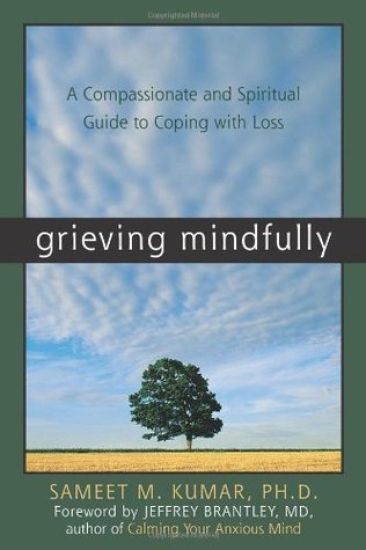
Many people who suffer the death of a loved one cling to the experience of grief long after the actual pain of loss goes away. This is because grief itself is a complex issue, fraught with misinformation and unrealistic expectations, often leading to interpersonal isolation at the times people need connection the most. Ironically, it is often by embracing the experience of grief that people become most fully mindful of life. Grieving readers will find, in this book, a new understanding of their own grief process. They will learn about the spiral staircase, a metaphor used to describe the ebb and flow of emotional pain that typically follow loss. The book offers readers ways to cope with the events and situations that trigger personal grief by using mindfulness exercises and radical acceptance, a concept that encourages the experience of grief rather than its denial. Ultimately, the book presents strategies for making life more meaningful by acknowledging death and working to embrace life.