Kirjojen hintavertailu. Mukana 12 595 353 kirjaa ja 12 kauppaa.

Kirjailija

Sami Hermez

Kirjat ja teokset yhdessä paikassa: 4 kirjaa, julkaisuja vuosilta 2017-2025, suosituimpien joukossa My Brother, My Land. Vertaile teosten hintoja ja tarkista saatavuus suomalaisista kirjakaupoista.

4 kirjaa

Kirjojen julkaisuhaarukka 2017-2025.

My Brother, My Land

My Brother, My Land

Sami Hermez

STANFORD UNIVERSITY PRESS
2025
pokkari
A riveting and unapologetic account of Palestinian resistance, the story of one family's care for their land, and a reflection on love and heartache while living under military occupation. In 1967, Sireen Sawalha's mother, with her young children, walked back to Palestine against the traffic of exile. My Brother, My Land is the story of Sireen's family in the decades that followed and their lives in the Palestinian village of Kufr Ra'i. From Sireen's early life growing up in the shadow of the '67 War and her family's work as farmers caring for their land, to the involvement of her brother Iyad in armed resistance in the First and Second Intifada, Sami Hermez, with Sireen Sawalha, crafts a rich story of intertwining voices, mixing genres of oral history, memoir, and creative nonfiction. Through the lives of the Sawalha family, and the story of Iyad's involvement with the Palestinian Islamic Jihad, Hermez confronts readers with the politics and complexities of armed resistance and the ethical tensions and contradictions that arise, as well as with the dispossession and suffocation of people living under occupation and their ordinary lives in such times. Whether this story leaves readers discomforted, angry, or empowered, they will certainly emerge with a deeper understanding of the Palestinian predicament.
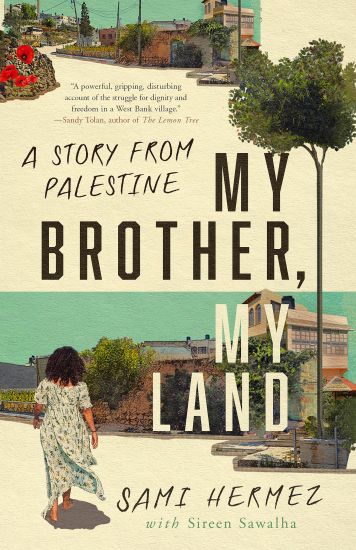
My Brother, My Land

My Brother, My Land

Sami Hermez

STANFORD UNIVERSITY PRESS
2024
sidottu
A riveting and unapologetic account of Palestinian resistance, the story of one family's care for their land, and a reflection on love and heartache while living under military occupation. In 1967, Sireen Sawalha's mother, with her young children, walked back to Palestine against the traffic of exile. My Brother, My Land is the story of Sireen's family in the decades that followed and their lives in the Palestinian village of Kufr Ra'i. From Sireen's early life growing up in the shadow of the '67 War and her family's work as farmers caring for their land, to the involvement of her brother Iyad in armed resistance in the First and Second Intifada, Sami Hermez, with Sireen Sawalha, crafts a rich story of intertwining voices, mixing genres of oral history, memoir, and creative nonfiction. Through the lives of the Sawalha family, and the story of Iyad's involvement with the Palestinian Islamic Jihad, Hermez confronts readers with the politics and complexities of armed resistance and the ethical tensions and contradictions that arise, as well as with the dispossession and suffocation of people living under occupation and their ordinary lives in such times. Whether this story leaves readers discomforted, angry, or empowered, they will certainly emerge with a deeper understanding of the Palestinian predicament.
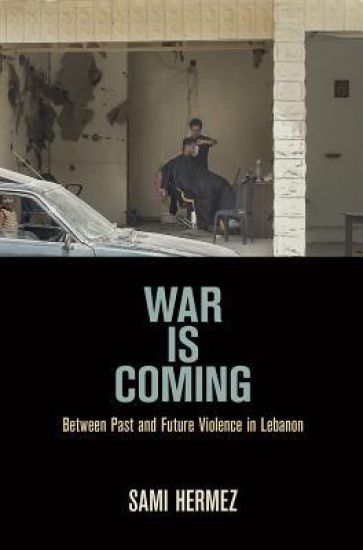
War Is Coming

War Is Coming

Sami Hermez

University of Pennsylvania Press
2021
pokkari
From 1975 to 1990, Lebanon experienced a long war involving various national and international actors. The peace agreement that followed and officially propelled the country into a "postwar" era did not address many of the root causes of war, nor did it hold main actors accountable. Instead, a politics of "no victor, no vanquished" was promoted, in which the political elite agreed simply to consign the war to the past. However, since then, Lebanon has found itself still entangled in various forms of political violence, from car bombings and assassinations to additional outbreaks of armed combat. In War Is Coming, Sami Hermez argues that the country's political leaders have enabled the continuation of violence and examines how people live between these periods of conflict. What do everyday conversations, practices, and experiences look like during these moments? How do people attempt to find a measure of certainty or stability in such times? Hermez's ethnographic study of everyday life in Lebanon between the volatile years of 2006 and 2009 tackles these questions and reveals how people engage in practices of recollecting past war while anticipating future turmoil. Hermez demonstrates just how social interactions and political relationships with the state unfold and critically engages our understanding of memory and violence, seeing in people's recollections living and spontaneous memories that refuse to forget the past. With an attention to the details of everyday life, War Is Coming shows how even a conversation over lunch, or among friends, may turn into a discussion about both past and future unrest. Shedding light on the impact of protracted conflict on people's everyday experiences and the way people anticipate political violence, Hermez highlights an urgency for alternative paths to sustaining political and social life in Lebanon.
War Is Coming

War Is Coming

Sami Hermez

University of Pennsylvania Press
2017
sidottu
From 1975 to 1990, Lebanon experienced a long war involving various national and international actors. The peace agreement that followed and officially propelled the country into a "postwar" era did not address many of the root causes of war, nor did it hold main actors accountable. Instead, a politics of "no victor, no vanquished" was promoted, in which the political elite agreed simply to consign the war to the past. However, since then, Lebanon has found itself still entangled in various forms of political violence, from car bombings and assassinations to additional outbreaks of armed combat. In War Is Coming, Sami Hermez argues that the country's political leaders have enabled the continuation of violence and examines how people live between these periods of conflict. What do everyday conversations, practices, and experiences look like during these moments? How do people attempt to find a measure of certainty or stability in such times? Hermez's ethnographic study of everyday life in Lebanon between the volatile years of 2006 and 2009 tackles these questions and reveals how people engage in practices of recollecting past war while anticipating future turmoil. Hermez demonstrates just how social interactions and political relationships with the state unfold and critically engages our understanding of memory and violence, seeing in people's recollections living and spontaneous memories that refuse to forget the past. With an attention to the details of everyday life, War Is Coming shows how even a conversation over lunch, or among friends, may turn into a discussion about both past and future unrest. Shedding light on the impact of protracted conflict on people's everyday experiences and the way people anticipate political violence, Hermez highlights an urgency for alternative paths to sustaining political and social life in Lebanon.