
Kirjailija
Sami Timimi
Kirjat ja teokset yhdessä paikassa: 9 kirjaa, julkaisuja vuosilta 2002-2025, suosituimpien joukossa Straight Talking Introduction to Children's Mental Health Problems (second edition). Vertaile teosten hintoja ja tarkista saatavuus suomalaisista kirjakaupoista.
9 kirjaa
Kirjojen julkaisuhaarukka 2002-2025.
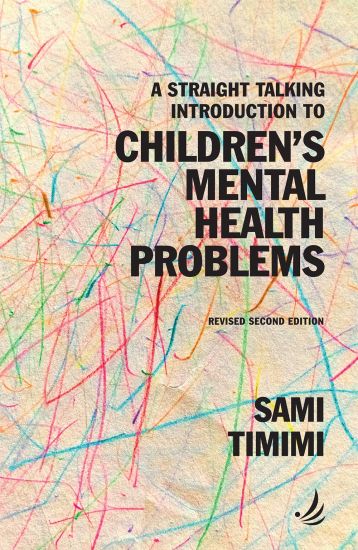
Straight Talking Introduction to Children's Mental Health Problems (second edition)
Sami Timimi
PCCS BOOKS
2021
pokkari
Rates of diagnosis of psychiatric disorders in children have shot up in recent years. So too has the prescription of antidepressant and antipsychotic drugs and stimulants. Yet the diagnoses are based on weak science, questionable research and powerful financial incentives. Sami Timimi questions why.
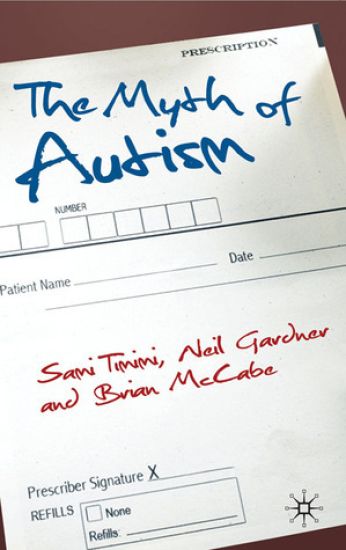
In this groundbreaking book, the authors dispute the concept of autism and explore the cultural and political reasons why the number of those diagnosed with it has increased over the years. This is a must-read for students studying autism and related disorders as well as practitioners working in the mental health services.
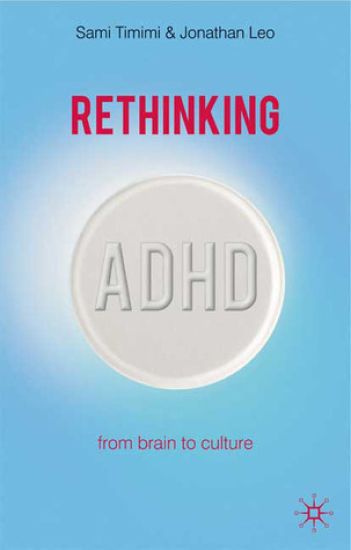
This book brings together, for the first time, a selection of international critiques on the role of ADHD in our society today, looking at how diagnoses have increased in recent years and the reasons behind this. Topics range from genetics to social culture, offering a comprehensive overview of this area.

Critical Voices in Child and Adolescent Mental Health
Sami Timimi; Begum Maitra
Free Association Books
2006
nidottu
"Part of these institutionalized biases, we think, results from the institutionalized racism that lies at the heart of the conceptual systems we use in psychiatry". There is a crisis of credibility within child and adolescent psychiatry. Child and adolescent mental health theory and practice have come to be dominated by a narrow biomedical frame. Rising numbers of children are being diagnosed with psychiatric illnesses and given psychotropic medication to 'treat' these 'illnesses'. This text brings together knowledgeable specialists across the spectrum of child and adolescent psychiatry, which are deeply critical about current mainstream theory and practice. These 'critical voices' drawing upon research and writing from related disciplines, radically question many of psychiatry's most cherished assumptions and offer new ways of thinking about theory and practice. This courageous book aims to bring marginal voices into the mainstream. Exploring the influence of drug companies, the impact of trauma, the crisis in academic medicine, systemic perspectives, adolescent in-patient units, ADHD, childhood depression and the role of diet and nutrition, the contributors offer hope to those looking for alternatives to diagnosis and medication for children and families with emotional and behavioral problems.

Boys in the West are being labelled as having psychiatric disorders, behaviour problems and special educational needs, and are receiving psychiatric drugs in ever-greater numbers. In this book, Dr Timimi argues that this crisis reflects a fundamental ambivalence that Western culture has toward children which affects boys in particular. Using material from diverse sources, the author shows how Western Society's political, social and economic value system is bad for families and children, and how positive alternatives can be found in non-Western traditions.

Pathological Child Psychiatry and the Medicalization of Childhood
Sami Timimi
Brunner-Routledge
2002
nidottu
Currently, it is common practice among the child psychiatric establishment to prescribe powerful and potentially addictive drugs to children who have emotional or behavioural problems. Pathological Child Psychiatry and the Medicalization of Childhood is a strong challenge to this way of thinking.Sami Timimi uses a wide variety of sources that shape our understanding including his personal experiences to highlight the role of culture, beliefs, science, social hierarchy and power, in shaping our understanding of childhood problems and how to deal with them. He urges professionals who work with children to question their assumptions in a manner that will enable them to access a greater variety of potentially helpful therapeutic frameworks.Since the 1960s, psychiatry has had to learn to accommodate critical analysis of its beliefs and methods. The legitimacy of its core assumptions continues to be questioned. Now child psychiatry too must engage with such a debate, if it wishes to develop into a genuinely democratic and inclusive profession. Pathological Child Psychiatry and the Medicalization of Childhood will be of great interest to professionals and trainees in psychiatry and child psychiatry, social work, family therapy and other psychotherapies for children and adolescents.

Pathological Child Psychiatry and the Medicalization of Childhood
Sami Timimi
Brunner-Routledge
2002
sidottu
Currently, it is common practice among the child psychiatric establishment to prescribe powerful and potentially addictive drugs to children who have emotional or behavioural problems. Pathological Child Psychiatry and the Medicalization of Childhood is a strong challenge to this way of thinking.Sami Timimi uses a wide variety of sources that shape our understanding including his personal experiences to highlight the role of culture, beliefs, science, social hierarchy and power, in shaping our understanding of childhood problems and how to deal with them. He urges professionals who work with children to question their assumptions in a manner that will enable them to access a greater variety of potentially helpful therapeutic frameworks.Since the 1960s, psychiatry has had to learn to accommodate critical analysis of its beliefs and methods. The legitimacy of its core assumptions continues to be questioned. Now child psychiatry too must engage with such a debate, if it wishes to develop into a genuinely democratic and inclusive profession. Pathological Child Psychiatry and the Medicalization of Childhood will be of great interest to professionals and trainees in psychiatry and child psychiatry, social work, family therapy and other psychotherapies for children and adolescents.