Kirjojen hintavertailu. Mukana 12 477 379 kirjaa ja 12 kauppaa.

Kirjailija

Sandra C. Paivio

Kirjat ja teokset yhdessä paikassa: 4 kirjaa, julkaisuja vuosilta 2003-2023, suosituimpien joukossa Emotion-Focused Therapy for Complex Trauma. Vertaile teosten hintoja ja tarkista saatavuus suomalaisista kirjakaupoista.

4 kirjaa

Kirjojen julkaisuhaarukka 2003-2023.

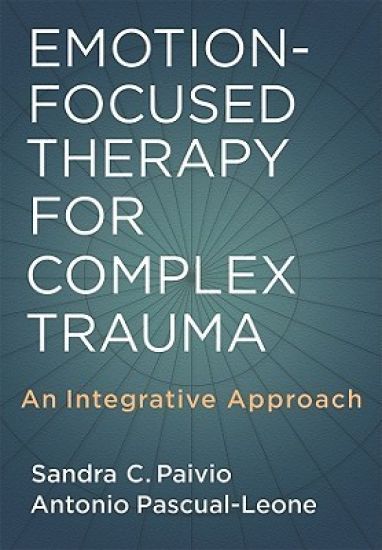
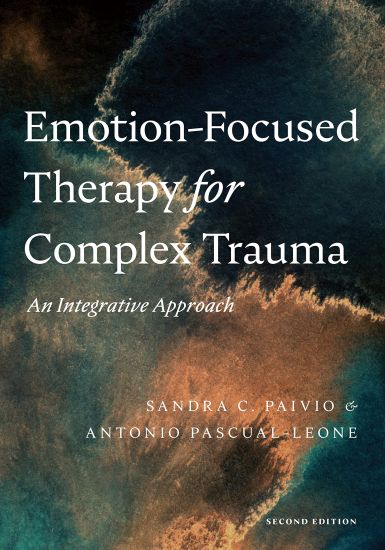
Emotion-Focused Therapy for Complex Trauma

Emotion-Focused Therapy for Complex Trauma

Sandra C. Paivio; Antonio Pascual-Leone

AMERICAN PSYCHOLOGICAL ASSOCIATION
2023
pokkari
This fully updated second edition presents theory, research, and practice guidelines for short term, evidence based individual treatment for adults experiencing the effects of complex relational trauma. Disrupted narrative and emotional processes are common effects of complex trauma, and emotion focused therapy for trauma (EFTT) is well suited to address these difficulties. Clients with complex trauma often suffer long term challenges after repeated exposure to violence and betrayals of trust, typically by attachment figures in the form of child abuse and neglect. The authors bring more than 25 years of research and clinical expertise to this evidence-based treatment model, which enables therapists to skillfully navigate the unique challenges facing these clients. Chapters present practical aspects of EFTT alongside supporting research, allowing clinicians from different theoretical perspectives to either apply the complete package, or integrate aspects of the model into their current practice. This comprehensive and essential resource is fully updated with current developments in research, clinical practice, and training.

Narrative Processes in Emotion-Focused Therapy for Trauma

Narrative Processes in Emotion-Focused Therapy for Trauma

Sandra C. Paivio; Lynne Angus

American Psychological Association
2017
sidottu
This book describes an evidence-based, short-term individual therapy that is highly effective in treating clients with trauma, through its emphasis on both narrative and emotion processes. Because dropout rates and noncompliance with exposure-based procedures are notoriously high in trauma therapies, effective treatment options are essential. Emotion-Focused Therapy for Trauma (EFTT) is an evidence-based, short-term individual therapy that has proven highly effective in treating clients with trauma through its emphasis on both narrative and emotion processes. A fundamental assumption underlying most trauma therapies, including EFTT, is that recovery requires the client to engage emotionally with trauma memories to achieve better affect regulation and self-understanding. EFTT draws upon storytelling as a fundamental aspect of the human experience that permits this kind of engagement with trauma memories, promoting a sense of continuity and self-coherence, and bringing meaning to the client amp rsquo s emotional responses. Richly illustrated with clinical examples and excerpts from therapy sessions, this book fully integrates theory, research, practice, and training.
Emotion-Focused Therapy for Complex Trauma

Emotion-Focused Therapy for Complex Trauma

Sandra C. Paivio; Antonio Pascual-Leone

American Psychological Association
2010
sidottu
Psychotherapy clients with histories of childhood abuse and complex relational trauma are ubiquitous, and have notoriously high drop-out rates. These clients have been unable to heal past emotional injuries and often have difficulty handling exposure-based therapies, which usually are not designed for attachment related problems. Successful therapy requires helping clients access and explore painful feelings in order to modify maladaptive emotions. Emotion-Focused Therapy for Trauma (EFTT) is the only trauma therapy that is based on an empirically-verified model that identifies steps in the process of resolving past relational issues. In this book, the authors plumb fifteen years of research involving clinical trials, observation and analysis of therapy sessions, as well as their own extensive clinical experience to describe precisely how EFTT works to heal complex trauma. The book is organized into two main sections: Part I describes the EFTT treatment model and the theory behind it, while Part II examines clients' progress through the four phases of treatment, each of which can be revisited in a recursive fashion. The authors focus on the typical progression, beginning with cultivating the therapeutic alliance, through modifying self-concept, resolution of attachment injuries, and termination. Throughout the text, the authors make comparisons with other treatment approaches, and provide clinical examples of different kinds of emotion and emotional processing difficulties. This book will appeal to clinicians and researchers alike and is particularly suitable for use in outpatient trauma clinics and graduate programs that emphasize service and training in empirically-supported treatments.
Working with Emotions in Psychotherapy

Working with Emotions in Psychotherapy

Leslie S. Greenberg; Sandra C. Paivio

Guilford Publications
2003
nidottu
In previous books, Leslie S. Greenberg has demonstrated the importance of integrating emotional work into therapy and has laid out a compelling model of therapeutic change. Building on these foundations, WORKING WITH EMOTIONS IN PSYCHOTHERAPY sheds new light on the process and technique of intervention with specific emotions. Filled with illustrative case examples, the book shows clinicians how to identify a given emotion, discern its role in a client's self-understanding, and understand how its expression is furthering or inhibiting the client's progress. Of vital importance, the authors help readers think more differentially about emotions; to distinguish, for example, between avoided emotional pain and chronic dysfunctional bad feelings, between adaptive sadness and maladaptive depression, and between overcontrolled anger and underregulated rage. A conceptual overview and framework for intervention are delineated, and special attention is given throughout to the integration of emotion and cognition in therapeutic work.