Kirjojen hintavertailu. Mukana 12 595 353 kirjaa ja 12 kauppaa.

Kirjailija

Sandra Smidt

Kirjat ja teokset yhdessä paikassa: 33 kirjaa, julkaisuja vuosilta 2007-2020, suosituimpien joukossa Introducing Vygotsky. Vertaile teosten hintoja ja tarkista saatavuus suomalaisista kirjakaupoista.

33 kirjaa

Kirjojen julkaisuhaarukka 2007-2020.

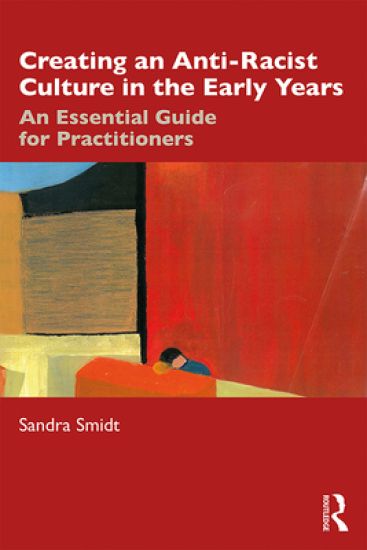
Creating an Anti-Racist Culture in the Early Years
At a time of growing evidence of racism across many countries and cultures, Creating an Anti-Racist Culture in the Early Years will help those working with young children recognise racism, name it for what it is and help their young pupils understand that difference is nothing to be feared. Drawing on both personal research and established theory, Smidt includes examples of anti-racist practice from real life and in literature, looks at how racism is acquired and cites examples of people who have spoken or acted against racism through the centuries.She emphasises how and why it is essential to develop multicultural education into anti-racist education and why it’s so important to go beyond the mere celebration of differences in cultures. This indispensable resource also addresses: What racism is and why it is so corrosive How to recognise and challenge it in an early years setting How to work with parents and carers to help them reassess their prejudices or unconscious bias How to create an anti-racist curriculum and culture through inclusion, multiculturalism, literature, art and drama.Creating an Anti-Racist Culture in the Early Years is an indispensable resource for all early years practitioners and students of early childhood education who believe in creating more equitable opportunities for all of our young children.
Creating an Anti-Racist Culture in the Early Years
At a time of growing evidence of racism across many countries and cultures, Creating an Anti-Racist Culture in the Early Years will help those working with young children recognise racism, name it for what it is and help their young pupils understand that difference is nothing to be feared. Drawing on both personal research and established theory, Smidt includes examples of anti-racist practice from real life and in literature, looks at how racism is acquired and cites examples of people who have spoken or acted against racism through the centuries.She emphasises how and why it is essential to develop multicultural education into anti-racist education and why it’s so important to go beyond the mere celebration of differences in cultures. This indispensable resource also addresses: What racism is and why it is so corrosive How to recognise and challenge it in an early years setting How to work with parents and carers to help them reassess their prejudices or unconscious bias How to create an anti-racist curriculum and culture through inclusion, multiculturalism, literature, art and drama.Creating an Anti-Racist Culture in the Early Years is an indispensable resource for all early years practitioners and students of early childhood education who believe in creating more equitable opportunities for all of our young children.
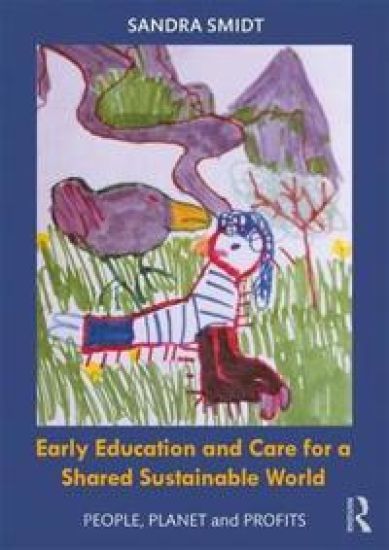
Early Childhood Education and Care for a Shared Sustainable World
Making an important contribution to the growing body of literature addressing the issue of sustainability in the Early Years, Sandra Smidt provides a highly accessible text examining the philosophical, political, economic, social and cultural aspects of sustainability impacting on very young children today. Drawing on current and global research, Smidt presents case studies and vignettes illustrating good practice and positive thinking in this constantly expanding field. After clarifying the myriad of acronyms used in this subject area, the book turns to the question of defining sustainability, before chapters explore a diverse range of topics: How very young children make sense of the world and the critical role of teachers and practitioners in listening and responding to the questions they ask. The young child as a citizen with a voice that needs to be heard, and ideas and opinions which should be shared. Examples of how practitioners and settings are working democratically in recognition of the intellectual capacities of young children. Possible pedagogies to support the learning and the emotional needs of very young children in relation to issues of sustainability. The integration of services offering Early Childhood Care, and those offering Early Childhood Education. Analysis of the professional standing of early childhood educators.Other key issues addressed in the text include the worldwide impact of global warming, globalisation, capitalism and human aspiration. Smidt expertly navigates these issues, illustrating good practice and providing those working with young children with the knowledge and understanding they need to support children to develop, maintain and live in a sustainable world.
Early Childhood Education and Care for a Shared Sustainable World
Making an important contribution to the growing body of literature addressing the issue of sustainability in the Early Years, Sandra Smidt provides a highly accessible text examining the philosophical, political, economic, social and cultural aspects of sustainability impacting on very young children today. Drawing on current and global research, Smidt presents case studies and vignettes illustrating good practice and positive thinking in this constantly expanding field. After clarifying the myriad of acronyms used in this subject area, the book turns to the question of defining sustainability, before chapters explore a diverse range of topics: How very young children make sense of the world and the critical role of teachers and practitioners in listening and responding to the questions they ask. The young child as a citizen with a voice that needs to be heard, and ideas and opinions which should be shared. Examples of how practitioners and settings are working democratically in recognition of the intellectual capacities of young children. Possible pedagogies to support the learning and the emotional needs of very young children in relation to issues of sustainability. The integration of services offering Early Childhood Care, and those offering Early Childhood Education. Analysis of the professional standing of early childhood educators.Other key issues addressed in the text include the worldwide impact of global warming, globalisation, capitalism and human aspiration. Smidt expertly navigates these issues, illustrating good practice and providing those working with young children with the knowledge and understanding they need to support children to develop, maintain and live in a sustainable world.
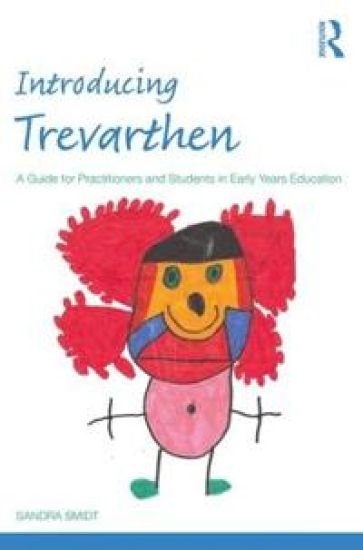
Introducing Trevarthen

Introducing Trevarthen

Sandra Smidt

Routledge
2017
sidottu
Colwyn Trevarthen’s seminal work has earned him a place alongside the most prestigious thinkers, writers and researchers into human development. He is universally acknowledged as the pre-eminent expert on foetal, neonatal and early childhood development. Sandra Smidt examines the impact of his scientific training, linked to his interest in how filmed episodes of mother or father/baby interactions might inform his understanding about early sociocultural development, encouraging us to view the human infant with fresh eyes and realise how purposive human behaviour is from the start. His interest in and collaborations with others introduce the reader to the idea of communicative musicality which, together with physical movement, lead the child to acquiring language. This book focuses on the earliest years of life and makes complex ideas accessible and applicable to a range of settings. As well as providing a glossary of key terms and an introduction to the life and work of Trevarthen, the book is split into three parts: From foetus to neonate, The remainder of the first year of life and From one to three. Each part offers case studies, practical examples, draws on recent research evidence and includes helpful pointers for students, labelled ‘Think about this’. This essential guide to his work will be of interest to professionals working with children in early childhood settings and to undergraduate students training to become early childhood professionals.
Introducing Trevarthen

Introducing Trevarthen

Sandra Smidt

Routledge
2017
nidottu
Colwyn Trevarthen’s seminal work has earned him a place alongside the most prestigious thinkers, writers and researchers into human development. He is universally acknowledged as the pre-eminent expert on foetal, neonatal and early childhood development. Sandra Smidt examines the impact of his scientific training, linked to his interest in how filmed episodes of mother or father/baby interactions might inform his understanding about early sociocultural development, encouraging us to view the human infant with fresh eyes and realise how purposive human behaviour is from the start. His interest in and collaborations with others introduce the reader to the idea of communicative musicality which, together with physical movement, lead the child to acquiring language. This book focuses on the earliest years of life and makes complex ideas accessible and applicable to a range of settings. As well as providing a glossary of key terms and an introduction to the life and work of Trevarthen, the book is split into three parts: From foetus to neonate, The remainder of the first year of life and From one to three. Each part offers case studies, practical examples, draws on recent research evidence and includes helpful pointers for students, labelled ‘Think about this’. This essential guide to his work will be of interest to professionals working with children in early childhood settings and to undergraduate students training to become early childhood professionals.
Multilingualism in the Early Years
Multilingualism in the Early Years is a highly accessible text that examines the political, theoretical, ideological and practical issues involved in the education of children speaking two or more languages. Drawing on current research and thinking about the advantages and disadvantages of being multilingual, Smidt uses powerful case studies to reveal how language or languages are acquired. She explores language in terms of who shares it, its relationship to class, culture, power, identity and thinking, and its fascinating role as it moves from the personal to the public and political. More specifically the book studies:what it means to be bilingual through an analysis of the language histories submitted by a range of people;how language/s define people;a brief history of minority education in the UK;how practitioners and teachers can best support all young children as learners whilst they continue to use their first languages and remain part of and partners in their communities and cultures;being bilingual: an advantage or a disadvantage?the impact of multilingualism on children’s educational and life chancesMultilingualism in the Early Years is a really useful text for practitioners working with multilingual children, as well as any student undertaking courses in early childhood education.
Multilingualism in the Early Years
Multilingualism in the Early Years is a highly accessible text that examines the political, theoretical, ideological and practical issues involved in the education of children speaking two or more languages. Drawing on current research and thinking about the advantages and disadvantages of being multilingual, Smidt uses powerful case studies to reveal how language or languages are acquired. She explores language in terms of who shares it, its relationship to class, culture, power, identity and thinking, and its fascinating role as it moves from the personal to the public and political. More specifically the book studies:what it means to be bilingual through an analysis of the language histories submitted by a range of people;how language/s define people;a brief history of minority education in the UK;how practitioners and teachers can best support all young children as learners whilst they continue to use their first languages and remain part of and partners in their communities and cultures;being bilingual: an advantage or a disadvantage?the impact of multilingualism on children’s educational and life chancesMultilingualism in the Early Years is a really useful text for practitioners working with multilingual children, as well as any student undertaking courses in early childhood education.
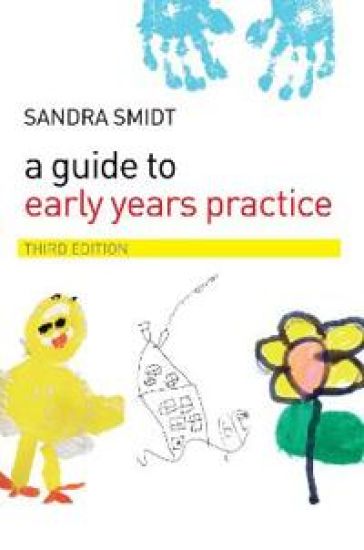
A Guide to Early Years Practice

A Guide to Early Years Practice

Sandra Smidt

Routledge
2015
sidottu
This is a practical, accessible guide to early years practice. The author examines current theories about how children learn best and focuses on how we can support and extend the learning of young children. This fully revised edition discusses Birth to Three Matters, the new Childcare Bill and the development of children's centres, and has additional focus on the Foundation Stage ProfilePacked full with case studies, the book offers:practical advice on how to successfully involve parents as equal partners in the education of their children guidance to ensure that the activities and support offered to young children will promote learning across a broad and balanced Early Years curriculum a focus on special needs, multiculturalism and multilingualism, play and culture, and the importance of interactions with adults and with peers. Essential reading for students on Early Years courses, this book is also invaluable for practitioners, who can use this text as the starting point for developing their own methods within the frameworks of statutory documents relating to Early Years education.
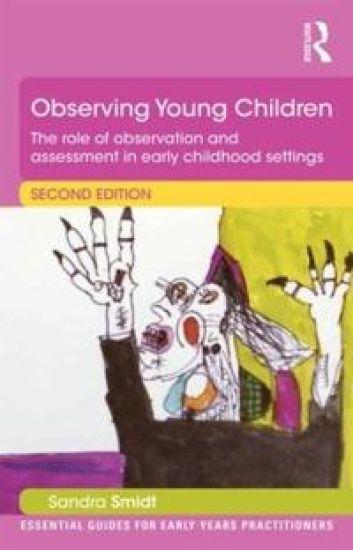
Observing Young Children

Observing Young Children

Sandra Smidt

Routledge
2015
sidottu
This fully revised second edition of Observing, Assessing and Planning for Children in the Early Years provides a detailed analysis of what is meant by the observation of young learners and why this is so vital to early years practitioners and students. In this accessible and insightful text, Sandra Smidt examines the various theories of how young children develop and learn, which have been put forward by thinkers and writers across time and place so the reader has a genuinely global view of early childhood. She then highlights how important it is for practitioners in schools, nurseries and settings to think carefully about what they have seen and heard in light of what they, as adults, already know about the children and their learning.Also included in this text is a helpful ‘Try Your Hand’ section where readers are invited to make their own judgements about what they have read, as well as a section on observing and assessing not only the nursery-aged children but also babies and toddlers.
Observing Young Children

Observing Young Children

Sandra Smidt

Routledge
2015
nidottu
This fully revised second edition of Observing, Assessing and Planning for Children in the Early Years provides a detailed analysis of what is meant by the observation of young learners and why this is so vital to early years practitioners and students. In this accessible and insightful text, Sandra Smidt examines the various theories of how young children develop and learn, which have been put forward by thinkers and writers across time and place so the reader has a genuinely global view of early childhood. She then highlights how important it is for practitioners in schools, nurseries and settings to think carefully about what they have seen and heard in light of what they, as adults, already know about the children and their learning.Also included in this text is a helpful ‘Try Your Hand’ section where readers are invited to make their own judgements about what they have read, as well as a section on observing and assessing not only the nursery-aged children but also babies and toddlers.
An ABC of Early Childhood Education
This unique and engaging resource describes, critiques and analyses the significance of a wide range of contemporary and classic ideas about how young children learn. Organised in a handy A – Z format, best-selling author and early years expert Sandra Smidt:Traces back each idea to the roots of how it was first conceivedExplores its implications for the early years classroom in accessible termsMakes connections where relevant to other strands in the field of early childhood educationProvides examples from her extensive classroom experience and international literatureDraws on a range of ideas from both developing and developed countries giving the material a truly global focusUses a sociocultural view of learning to underpin the choice or analysis of each ideaStudents on early years education courses at a range of levels will find this an essential and enlightening companion text, for use throughout their studies.
An ABC of Early Childhood Education
This unique and engaging resource describes, critiques and analyses the significance of a wide range of contemporary and classic ideas about how young children learn. Organised in a handy A – Z format, best-selling author and early years expert Sandra Smidt:Traces back each idea to the roots of how it was first conceivedExplores its implications for the early years classroom in accessible termsMakes connections where relevant to other strands in the field of early childhood educationProvides examples from her extensive classroom experience and international literatureDraws on a range of ideas from both developing and developed countries giving the material a truly global focusUses a sociocultural view of learning to underpin the choice or analysis of each ideaStudents on early years education courses at a range of levels will find this an essential and enlightening companion text, for use throughout their studies.
Introducing Freire

Introducing Freire

Sandra Smidt

Routledge
2014
sidottu
The famous Brazilian educator Paulo Freire has influenced educators, teachers and students in a broad tapestry of contexts and countries, as he challenged conventional thinking on how teachers ought to teach and learners ought to learn. By making his ideas accessible and relevant, this insightful and thought-provoking text draws out the relevance and topicality of Freire’s work and applies this to a wide range of educational settings, from adult education, through schools, to early years settings.Themes covered include:the lasting impact of illiteracy;the benefits and potential in becoming literate;literacy, language and power;the differences between banking and dialogic education;the social and political nature of learning.what kind of teaching and learning do we want?Using a variety of practical examples and case studies, Introducing Freire is an essential guide to the work of one of the most significant figures in education in the last century. Fascinating and accessible, this book is for anyone interested in teaching and learning, poverty and affluence, power and powerlessness, and society and change.
Introducing Freire

Introducing Freire

Sandra Smidt

Routledge
2014
nidottu
The famous Brazilian educator Paulo Freire has influenced educators, teachers and students in a broad tapestry of contexts and countries, as he challenged conventional thinking on how teachers ought to teach and learners ought to learn. By making his ideas accessible and relevant, this insightful and thought-provoking text draws out the relevance and topicality of Freire’s work and applies this to a wide range of educational settings, from adult education, through schools, to early years settings.Themes covered include:the lasting impact of illiteracy;the benefits and potential in becoming literate;literacy, language and power;the differences between banking and dialogic education;the social and political nature of learning.what kind of teaching and learning do we want?Using a variety of practical examples and case studies, Introducing Freire is an essential guide to the work of one of the most significant figures in education in the last century. Fascinating and accessible, this book is for anyone interested in teaching and learning, poverty and affluence, power and powerlessness, and society and change.
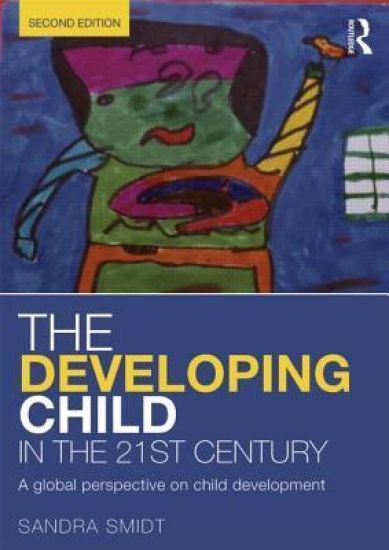
The Developing Child in the 21st Century
Offering a sociocultural approach to education and learning, this fascinating exploration of childhood provides an in-depth understanding of how children make sense of the world and the people in it. Examining the ways in which children express their thoughts, feelings and actively generate meaning through experience and interaction, this fully revised and updated new edition is illustrated throughout by extensive case studies and covers a diverse range of topics, including: socio-historical and global child development over time and place;the child as meaning-maker and active learner;learning in the context of family, culture, group, society;representing and re-representing the world;understanding roles, identity, race and gender;making sense of science and technology;the implications of neuroscience. Taking a clearly articulated and engaging perspective, Sandra Smidt draws upon multiple sources and ideas to illustrate many of the facets of the developing child in a contemporary context. She depicts children as symbol users, role-players, investigators and creative thinkers, and follows children's progress in forming their understanding of their environment, asking questions about it, and expressing it through music, dance, art and constructive play. Highly accessible, and with points for reflection concluding each chapter, The Developing Child is essential reading for teachers, lecturers and students taking courses in early childhood, psychology or sociology.
The Developing Child in the 21st Century
Offering a sociocultural approach to education and learning, this fascinating exploration of childhood provides an in-depth understanding of how children make sense of the world and the people in it. Examining the ways in which children express their thoughts, feelings and actively generate meaning through experience and interaction, this fully revised and updated new edition is illustrated throughout by extensive case studies and covers a diverse range of topics, including: socio-historical and global child development over time and place;the child as meaning-maker and active learner;learning in the context of family, culture, group, society;representing and re-representing the world;understanding roles, identity, race and gender;making sense of science and technology;the implications of neuroscience. Taking a clearly articulated and engaging perspective, Sandra Smidt draws upon multiple sources and ideas to illustrate many of the facets of the developing child in a contemporary context. She depicts children as symbol users, role-players, investigators and creative thinkers, and follows children's progress in forming their understanding of their environment, asking questions about it, and expressing it through music, dance, art and constructive play. Highly accessible, and with points for reflection concluding each chapter, The Developing Child is essential reading for teachers, lecturers and students taking courses in early childhood, psychology or sociology.
Bruner og små børns læring - en introduktion
Jerome Seymore Bruner (f. 1915) er en af pædagogikkens mest markante skikkelser, hvis arbejde spænder over næsten et århundrede. Hans banebrydende principper for læring og undervisning i børns tidlige år har inspireret adskillige generationer. Bruners tanker og centrale begreber introduceres i denne bog i et lettilgængeligt sprog med mange konkrete eksempler fra den pædagogiske hverdag. Der trækkes desuden tråde til andre centrale pædagogers teorier og ideer. Blandt de emner, der behandles, er børns sprogtilegnelse, børns tilskrivning af mening gennem narrativer, legens centrale rolle for læring og betydningen af kultur og kontekst, hukommelsens rolle samt teorier om, hvordan børn bedst lærer og undervises. I Bruner og små børns læring – en introduktion viser Sandra Smidt, hvordan Bruners tænkning stadig er aktuel og kan være til inspiration for dem, der beskæftiger sig med små børns udvikling og læring. Den afsluttes med en oversigt over Bruners vigtigste begreber. Bogen henvender sig primært til studerende på pædagog- og læreruddannelsen samt til universitetsstuderende og andre med interesse for pædagogisk teori. Sandra Smidt er selvstændig konsulent med speciale i børns læring. Hun er forfatter til en lang række bøger om dette emne, bl.a. Vygotsky og små børns læring – en introduktion, der udkom på dansk i 2011.
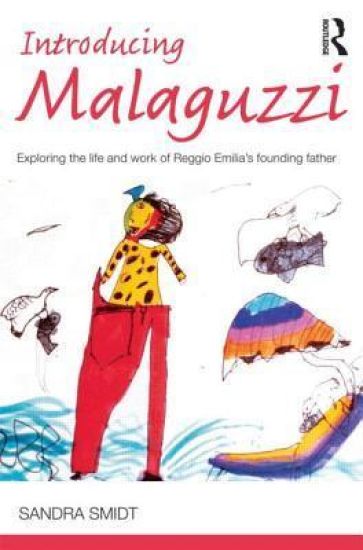
Introducing Malaguzzi

Introducing Malaguzzi

Sandra Smidt

Routledge
2012
nidottu
Loris Malaguzzi is recognised as the founder of the extraordinary programmes of preschool education that developed after the war in Reggio Emilia, Italy. Deeply embedded in the cultures and communities they serve, these unique preschools have justifiably become famous throughout the world.In this accessible and engaging text, Sandra Smidt examines how Malaguzzi’s philosophy developed out of his personal experiences of growing up in post-fascist Italy. His ideas are explored and illustrated throughout by examples relating to everyday early years practice. The key themes explored include: relationships — the importance of relationships, culture and contexts to learning within any setting and beyond; transparency — the importance of listening and documentation to understanding and sharing learning; questioning — inviting children to not only answer questions but raise them, allowing them to be equal partners in all learning situations; creativity — finding ways of enabling children to use all the expressive languages they can find to express and share their ideas; equity and fairness — involving the community in all decision-making and discussions, to ensure that early childhood education is accessible and relevant to all children. This book will be of benefit to all those working with young children and essential reading for students on early childhood education programmes.
Introducing Malaguzzi

Introducing Malaguzzi

Sandra Smidt

Routledge
2012
sidottu
Loris Malaguzzi is recognised as the founder of the extraordinary programmes of preschool education that developed after the war in Reggio Emilia, Italy. Deeply embedded in the cultures and communities they serve, these unique preschools have justifiably become famous throughout the world.In this accessible and engaging text, Sandra Smidt examines how Malaguzzi’s philosophy developed out of his personal experiences of growing up in post-fascist Italy. His ideas are explored and illustrated throughout by examples relating to everyday early years practice. The key themes explored include: relationships — the importance of relationships, culture and contexts to learning within any setting and beyond; transparency — the importance of listening and documentation to understanding and sharing learning; questioning — inviting children to not only answer questions but raise them, allowing them to be equal partners in all learning situations; creativity — finding ways of enabling children to use all the expressive languages they can find to express and share their ideas; equity and fairness — involving the community in all decision-making and discussions, to ensure that early childhood education is accessible and relevant to all children. This book will be of benefit to all those working with young children and essential reading for students on early childhood education programmes.