Kirjojen hintavertailu. Mukana 12 390 323 kirjaa ja 12 kauppaa.
Kirjailija
Sanja Kutnjak Ivkovic
Kirjat ja teokset yhdessä paikassa: 6 kirjaa, julkaisuja vuosilta 2003-2024, suosituimpien joukossa Fallen Blue Knights. Vertaile teosten hintoja ja tarkista saatavuus suomalaisista kirjakaupoista.
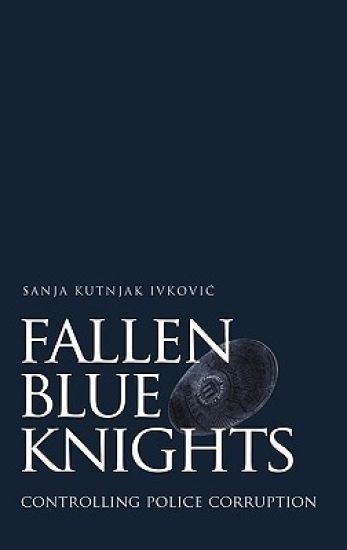
Despite its suspected prevalence, no comprehensive analysis of police corruption has been published for nearly three decades. Fallen Blue Knights provides a systematic, in-depth analysis of the subject, while also addressing the question of what can be done to ensure successful corruption control. Ivkovic argues that the current mechanisms for control--the courts, prosecutors, independent commissions, and the media, as well as the internal control mechanisms within a police agency itself--suffer from severe shortcomings that substantially limit their effectiveness. In this much-needed analysis, Ivkovic redefines the roles of major players and develops a novel, comprehensive model of corruption control.
Policing the Pandemic explores how police agencies in United Kingdom and the United States have adjusted to their changing environments, both during the peak of the COVID-19 pandemic and later, when the restrictions have been relaxed and the societies have begun to develop their new normal.Combining interviews and surveys of police officers and police administrators from the United Kingdom and the United States, this book provides a systematic and empirically based account of these changes and elaborates on the lessons for the future. The book offers insight into organizational and operational changes brought on by the pandemic, including the changes in their workload, enforcement activities, and administrative changes. It examines police perceptions of, and compliance with, pandemic-related changes, any potential COVID-19-related training, and the frequency with which they used various responses when observing violations of COVID-19 regulations and laws. It also focuses on police officers’ own fear of contracting COVID-19, whether they had been diagnosed with COVID-19, and how the pandemic affected their own health, stress, and general well-being.This book is an essential reading for scholars, policymakers, and police administrators tackling issues such as procedural justice, organizational change, and police officer well-being, as well as those more widely engaged with societal and legal consequences of the pandemic, be it the COVID-19 pandemic or any future pandemics.
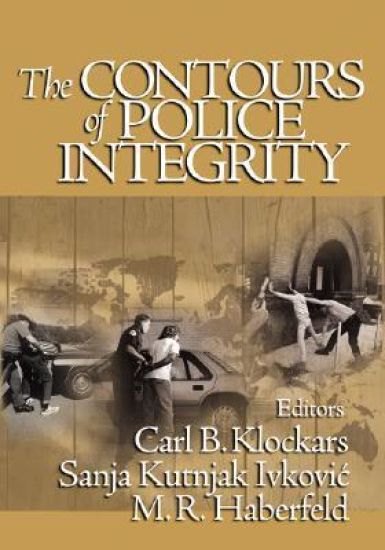
Police misconduct is a topic of great concern worldwide. However, the causes of police corruption are remarkably different. Understanding the unique political, historical, legal, and economic institutions of a country is essential in identifying the potential for police misconduct. Police misconduct is a topic of great concern worldwide. However, the causes of police corruption are remarkably different. Understanding the unique political, historical, legal, and economic institutions of a country is essential in identifying the potential for police misconduct. The Contours of Police Integrity is the only book that examines police corruption and police integrity across cultures. Editors Carl B. Klockars, Sanja Kutnjak Ivkovich, and M. R. Haberfeld begin with an introduction to the issues surrounding police integrity, followed by chapters that focus on the critical cultural, political, and historical conditions that influence police conduct in fourteen different countries. Based on the largest systematic survey of police integrity ever conducted, this innovative text illustrates how officers in different cultures regard various types of corruption, how severely they think transgressions should be punished, and how willing they are to come forward to report infractions. Key Features Essays written by top criminal justice academics in each country Survey information from nations as diverse as Austria, Croatia, England, Pakistan, Japan, and the United States The opinions of nearly 14,000 police officers worldwide An instrument for determining the potential for police misconduct Designed as a supplemental text for police administration and management, ethics in criminal justice, comparative criminal justice, and comparative policing courses at both the graduate and undergraduate level, The Contours of Police Integrity is also an indispensable resource for regional policing institutes and police training academies.
Policing the Pandemic explores how police agencies in United Kingdom and the United States have adjusted to their changing environments, both during the peak of the COVID-19 pandemic and later, when the restrictions have been relaxed and the societies have begun to develop their new normal.Combining interviews and surveys of police officers and police administrators from the United Kingdom and the United States, this book provides a systematic and empirically based account of these changes and elaborates on the lessons for the future. The book offers insight into organizational and operational changes brought on by the pandemic, including the changes in their workload, enforcement activities, and administrative changes. It examines police perceptions of, and compliance with, pandemic-related changes, any potential COVID-19-related training, and the frequency with which they used various responses when observing violations of COVID-19 regulations and laws. It also focuses on police officers’ own fear of contracting COVID-19, whether they had been diagnosed with COVID-19, and how the pandemic affected their own health, stress, and general well-being.This book is an essential reading for scholars, policymakers, and police administrators tackling issues such as procedural justice, organizational change, and police officer well-being, as well as those more widely engaged with societal and legal consequences of the pandemic, be it the COVID-19 pandemic or any future pandemics.
This book explores the contours of the code of silence and provides policy recommendations geared toward creating an environment less conducive for police misconduct. It responds to the recent calls for police reform, in the wake of the perceived illegitimacy of police actions and the protection that the code of silence seems to provide to the police officers who violate the official rules. Using a case study of a medium-sized U.S. police agency, this book employs the lens of police integrity theory to provide empirically grounded explanations of the code of silence. It examines the potential effects of organizational factors and the attitudes of individual police officers on their willingness to adhere to the code of silence in cases of police corruption, the use of excessive force, interpersonal deviance, and organizational deviance. The book focuses on the following factors that could influence the police code of silence in the times of change: The impact of organizational rule dissemination, discipline, and disciplinary fairness on the scope of the code of silence The role organizational justice plays in shaping police officer willingness to report misconduct The effect that police officers’ self-legitimacy has on their decisions to adhere to the code The influence of peer culture on individual police officer amenability to maintain the code The relationship between officers’ views of themselves, the organization, and the community on their willingness to report misconduct
Police misconduct is a topic of great concern worldwide. However, the causes of police corruption are remarkably different. Understanding the unique political, historical, legal, and economic institutions of a country is essential in identifying the potential for police misconduct. Police misconduct is a topic of great concern worldwide. However, the causes of police corruption are remarkably different. Understanding the unique political, historical, legal, and economic institutions of a country is essential in identifying the potential for police misconduct. The Contours of Police Integrity is the only book that examines police corruption and police integrity across cultures. Editors Carl B. Klockars, Sanja Kutnjak Ivkovich, and M. R. Haberfeld begin with an introduction to the issues surrounding police integrity, followed by chapters that focus on the critical cultural, political, and historical conditions that influence police conduct in fourteen different countries. Based on the largest systematic survey of police integrity ever conducted, this innovative text illustrates how officers in different cultures regard various types of corruption, how severely they think transgressions should be punished, and how willing they are to come forward to report infractions. Key Features Essays written by top criminal justice academics in each country Survey information from nations as diverse as Austria, Croatia, England, Pakistan, Japan, and the United States The opinions of nearly 14,000 police officers worldwide An instrument for determining the potential for police misconduct Designed as a supplemental text for police administration and management, ethics in criminal justice, comparative criminal justice, and comparative policing courses at both the graduate and undergraduate level, The Contours of Police Integrity is also an indispensable resource for regional policing institutes and police training academies.