Kirjailija
Sara Delamont
Kirjat ja teokset yhdessä paikassa: 34 kirjaa, julkaisuja vuosilta 1994-2023, suosituimpien joukossa Feminist Sociology. Vertaile teosten hintoja ja tarkista saatavuus suomalaisista kirjakaupoista.
34 kirjaa
Kirjojen julkaisuhaarukka 1994-2023.
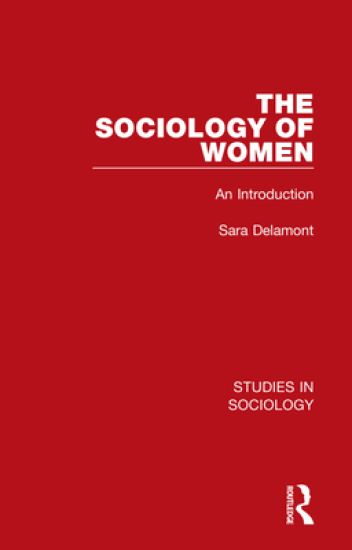
Originally published in 1980 The Sociology of Women: An Introduction aimed to provide a sociological, biographically organised portrait of women written from a feminist perspective. It was the first self-contained analytical textbook treatment to present an account of the situation of women in modern Britain that was informed by sociological research. At the same time, it remained a straightforward and elementary text in the sense that it assumed no previous knowledge and is written throughout with the beginning student in mind; it provided a lively, thorough and realistic introduction to a range of sociological issues and problems; it is abundantly illustrated by examples from research findings and views women always in the context of the wider society around them; nor does it shirk controversial questions.The book opens with a short chapter on sex and gender, then traces women’s lives as they grow from childhood through to old age. There are chapters on childhood, adolescence and early adulthood in the first part of the book, which deals principally with the home, the school and friendship patterns. In part two the focus shifts to the adult lives of women. The chapters here are on work, illness and deviance; on class and community; on politics, leisure and religion; and on motherhood and old age. An important feature of the book will be the extensive guidance it provides on further reading and the inclusion of a full bibliography of material on women’s lives.
In Knowledgeable Women, originally published in 1989, Sara Delamont traces the history of women's education and the elites it produces. She examines class and gender divisions in the structure and contest of education in Britain and the USA from 1850 to 1989. Her empirical focus is of course elites – especially elite women – but the justification for this is the belief that sociologists should study the powerful as well as the poor and powerless. Above all, Delamont argues the case for the relevance to sociology of a serious study of women, their schooling and professional training, and their struggle to enter the professions.She also encourages a broader focus to the sociology of education itself, viewing her subject from an anthropological structuralist perspective and encouraging the inclusion of anti-sexist ideas and material from other areas of sociology such as the study of science and stratification. She demonstrates for the first time the relevance to education of structuralist theorists such as Mary Douglas.Knowledgeable Women is a structuralist and feminist challenge to the sociology of education by an author highly regarded in Britain and the USA. It offers a non-sexist, structuralist, fully sociological sociology of education.
Originally published in 1980 The Sociology of Women: An Introduction aimed to provide a sociological, biographically organised portrait of women written from a feminist perspective. It was the first self-contained analytical textbook treatment to present an account of the situation of women in modern Britain that was informed by sociological research. At the same time, it remained a straightforward and elementary text in the sense that it assumed no previous knowledge and is written throughout with the beginning student in mind; it provided a lively, thorough and realistic introduction to a range of sociological issues and problems; it is abundantly illustrated by examples from research findings and views women always in the context of the wider society around them; nor does it shirk controversial questions.The book opens with a short chapter on sex and gender, then traces women’s lives as they grow from childhood through to old age. There are chapters on childhood, adolescence and early adulthood in the first part of the book, which deals principally with the home, the school and friendship patterns. In part two the focus shifts to the adult lives of women. The chapters here are on work, illness and deviance; on class and community; on politics, leisure and religion; and on motherhood and old age. An important feature of the book will be the extensive guidance it provides on further reading and the inclusion of a full bibliography of material on women’s lives.

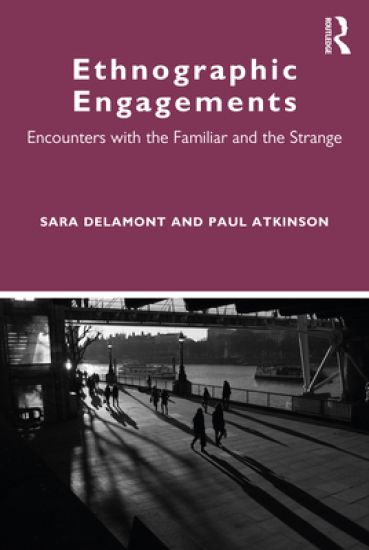
In Ethnographic Engagements: Encounters with the Familiar and the Strange Delamont and Atkinson, each with over 40 years of experience as ethnographers, present strategies for designing, conducting and publishing research that contributes original insights.Ethnography is a core qualitative research method, widely used across the social sciences. However, producing good, interesting and thought-provoking ethnography is never easy. This book provides effective research strategies for combatting familiarity in the context of empirical fieldwork. The authors rehearse ways that challenge the ethnographer to avoid taken-for-granted ideas, and to make the familiar strange. The book covers the cycle of research from research questions to publication and leaving the field and brings together the central themes of their life’s work in one clearly written volume.This book is aimed at researchers at postgraduate level and beyond, their supervisors and principal investigators, and at experienced investigators who want to improve their thinking. Any ethnographer will find ideas and proposals to help them reflect self-critically and creatively about their research practice.
Published in 1996, this volume includes the presidential address of Sara Delamont, the first female President of Bera written and presented in 1984. The book also includes a selection of papers on gender and education. Topics covered include: female pupils’ experiences, resistance to sex equality messages, science education for girls and women in universities. Providing historical and sociological perspectives on gender and education this book will interest sociologists, anthropologists, and those in the field of education.This book was originally published as part of the Cardiff Papers in Qualitative Research series edited by Paul Atkinson, Sara Delamont and Amanda Coffey. The series publishes original sociological research that reflects the tradition of qualitative and ethnographic inquiry developed at Cardiff. The series includes monographs reporting on empirical research, edited collections focussing on particular themes, and texts discussing methodological developments and issues.
Published in 1983, this second edition builds on the success of the first edition which provided the first sociological account of classroom life. In the seven years between editions great activity and interest in classroom studies ensued, the author therefore revised and expanded her text to accommodate further material. In this book the reader is taken into a variety of classrooms, shown the methods and techniques of classroom observation and encouraged to get behind the deceptively familiar façade. Attention is paid to the context of the classroom, to teacher and pupil careers, and to the curriculum. At the heart of the book is an emphasis on understanding how the participants make sense of classroom life.
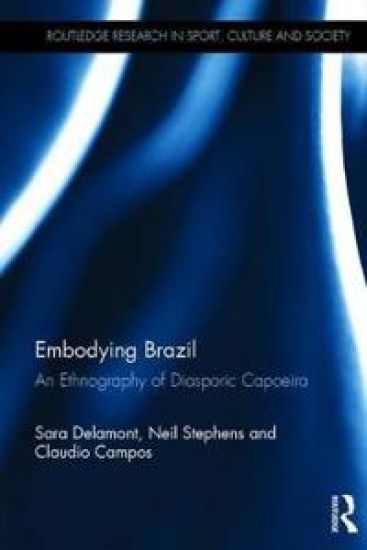
The practice of capoeira, the Brazilian dance-fight-game, has grown rapidly in recent years. It has become a popular leisure activity in many cultures, as well as a career for Brazilians in countries across the world including the US, the UK, Canada and Australia. This original ethnographic study draws on the latest research conducted on capoeira in the UK to understand this global phenomenon. It not only presents an in-depth investigation of the martial art, but also provides a wealth of data on masculinities, performativity, embodiment, globalisation and rites of passage. Centred in cultural sociology, while drawing on anthropology and the sociology of sport and dance, the book explores the experiences of those learning and teaching capoeira at a variety of levels. From beginners’ first encounters with this martial art to the perspectives of more advanced students, it also sheds light on how teachers experience their own re-enculturation as they embody the exotic ‘other’.Embodying Brazil: An Ethnography of Diasporic Capoeira is fascinating reading for all capoeira enthusiasts, as well as for anyone interested in the sociology of sport, sport and social theory, sport, race and ethnicity, or Latin-American Studies.
Published in 1996, this volume includes the presidential address of Sara Delamont, the first female President of Bera written and presented in 1984. The book also includes a selection of papers on gender and education. Topics covered include: female pupils’ experiences, resistance to sex equality messages, science education for girls and women in universities. Providing historical and sociological perspectives on gender and education this book will interest sociologists, anthropologists, and those in the field of education.This book was originally published as part of the Cardiff Papers in Qualitative Research series edited by Paul Atkinson, Sara Delamont and Amanda Coffey. The series publishes original sociological research that reflects the tradition of qualitative and ethnographic inquiry developed at Cardiff. The series includes monographs reporting on empirical research, edited collections focussing on particular themes, and texts discussing methodological developments and issues.
Published in 1983, this second edition builds on the success of the first edition which provided the first sociological account of classroom life. In the seven years between editions great activity and interest in classroom studies ensued, the author therefore revised and expanded her text to accommodate further material. In this book the reader is taken into a variety of classrooms, shown the methods and techniques of classroom observation and encouraged to get behind the deceptively familiar façade. Attention is paid to the context of the classroom, to teacher and pupil careers, and to the curriculum. At the heart of the book is an emphasis on understanding how the participants make sense of classroom life.
The practice of capoeira, the Brazilian dance-fight-game, has grown rapidly in recent years. It has become a popular leisure activity in many cultures, as well as a career for Brazilians in countries across the world including the US, the UK, Canada and Australia. This original ethnographic study draws on the latest research conducted on capoeira in the UK to understand this global phenomenon. It not only presents an in-depth investigation of the martial art, but also provides a wealth of data on masculinities, performativity, embodiment, globalisation and rites of passage. Centred in cultural sociology, while drawing on anthropology and the sociology of sport and dance, the book explores the experiences of those learning and teaching capoeira at a variety of levels. From beginners’ first encounters with this martial art to the perspectives of more advanced students, it also sheds light on how teachers experience their own re-enculturation as they embody the exotic ‘other’.Embodying Brazil: An Ethnography of Diasporic Capoeira is fascinating reading for all capoeira enthusiasts, as well as for anyone interested in the sociology of sport, sport and social theory, sport, race and ethnicity, or Latin-American Studies.
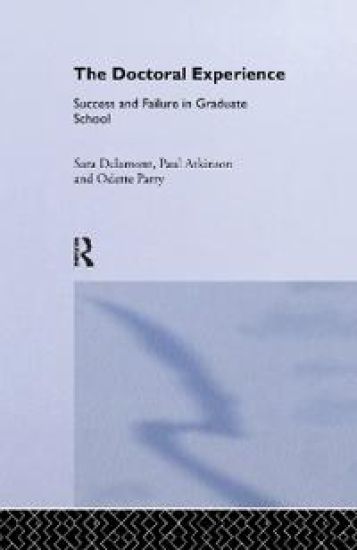
Richly illustrated with case studies and interviews, this book identifies key themes pervading academic life: the nature of research and research supervision; key social processes and problems; distinct and contrasting sub-cultures of departments and disciplines in universities; mentorship and sponsorship; and apprenticeship and rites of passage for postgraduate students. Anyone developing policy and practice in Higher Education, or wishing to understand their own position within the wider picture will benefit from reading this book.
Fieldwork in Educational Settings is widely recognised as part of the essential reading for the researcher in education. It instructs those new to qualitative educational research how to find interesting research sites, collect great data, analyse them responsibly, and then find the right audience to hear, use, and build upon their findings successfully.The revised and updated third edition includes the latest developments in authoethnography, data collection, analysis and dissemination, and is illustrated throughout with up-to-the minute examples of real world research. It embraces both sociological and anthropological approaches to qualitative educational research, using case studies from the USA, Canada, Australia and New Zealand as well as the UK. ‘Education’ is treated broadly, including higher education and non-formal settings as well as schools. Threaded throughout the book is updated content on: the internet and virtual worlds as sites for ethnography, the ethical aspects of ethnographic research, the strengths and weaknesses of autoethnography, the debates about representing data, the impact of technological innovations in all stages of qualitative research.An indispensable introduction for students and novice researchers alike, the new edition continues to illustrate and sustain the increasing popularity of qualitative methods in educational research over the past thirty years, addressing the technological and digital changes that have occurred.
Schools reflect the society which surrounds them but they must also be agents of change. The last few decades have seen an explosion of research on gender and education and, in this volume the author examines in a rigorous but highly accessible way, new research findings and new strategies for change, continuing to argue that both sexes lose out from sexist schooling.
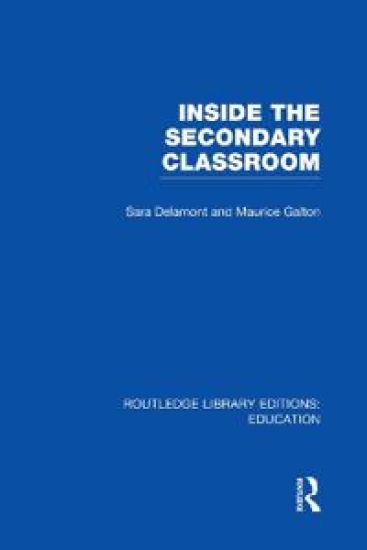
Focusing on pupils moving from primary to middle or secondary school, it describes and evaluates the schools’ programmes to ease transfer, and includes material provided by the pupils themselves. The main body of the book is a rich and detailed account of the first months of life in new secondary schools, where the pleasures and perils of new friends, new teachers and new subjects, and a new approach to teaching are encountered. The book conveys vividly how pupils experience a new environment, and meet its dangers, rules and regulations, timetable, complex groupings and ideology.Inside the Secondary Classroom was the first comparative ethnography of school life in Britain, carried out in six schools. It reveals surprising similarities and differences between them.The cases studied range from highly successful pupils with nine ‘O’ levels to others with severe social and personal problems.
"This is a beautifully written book that takes the reader to the heart of ethnography as experience. Readers can walk in the shoes of ethnographers who have travelled before them, and learn as they learned. Sara Delamont is an undisputed expert in both ethnography and education, and here illustrates she is also a tour de force in writing style. All the important ingredients for a recipe to make a good quality ethnography are here, and they are served up with relish!" - Karen O’Reilly, Loughborough University "This is a powerful, richly nuanced, evocative work; a stunning and brilliantly innovative intervention. It provides ground zero - the starting place for the next generation of social scholars of education. A major accomplishment." - Norman K. Denzin, University of Illinois at Urbana-Champaign The ethnography of education has been conducted by sociologists and anthropologists, largely in self-contained and self-referential ways. This book celebrates the continuities and the strengths of ethnographic research on education in formal and non-formal settings, deliberately transgressing the sociology/anthropology divide. Education is broadly defined to cover many settings other than schools, in many countries, for many age-groups. The book is structured thematically, including chapters on movement and mobilities, memorials and memories, time and timescapes, bodies, and performativities, multi-sensory research, and narratives. Strategies for designing innovative ethnographic projects, and for fighting familiarity are provided.
Focusing on pupils moving from primary to middle or secondary school, it describes and evaluates the schools’ programmes to ease transfer, and includes material provided by the pupils themselves. The main body of the book is a rich and detailed account of the first months of life in new secondary schools, where the pleasures and perils of new friends, new teachers and new subjects, and a new approach to teaching are encountered. The book conveys vividly how pupils experience a new environment, and meet its dangers, rules and regulations, timetable, complex groupings and ideology.Inside the Secondary Classroom was the first comparative ethnography of school life in Britain, carried out in six schools. It reveals surprising similarities and differences between them.The cases studied range from highly successful pupils with nine ‘O’ levels to others with severe social and personal problems.