Kirjojen hintavertailu. Mukana 12 483 758 kirjaa ja 12 kauppaa.

Kirjailija

Sarah Casey Benyahia

Kirjat ja teokset yhdessä paikassa: 12 kirjaa, julkaisuja vuosilta 2011-2025, suosituimpien joukossa Media Studies. Vertaile teosten hintoja ja tarkista saatavuus suomalaisista kirjakaupoista.

12 kirjaa

Kirjojen julkaisuhaarukka 2011-2025.

Media Studies

Media Studies

Sarah Casey Benyahia; Abigail Gardner; Philip Rayner; Peter Wall

Routledge
2013
nidottu
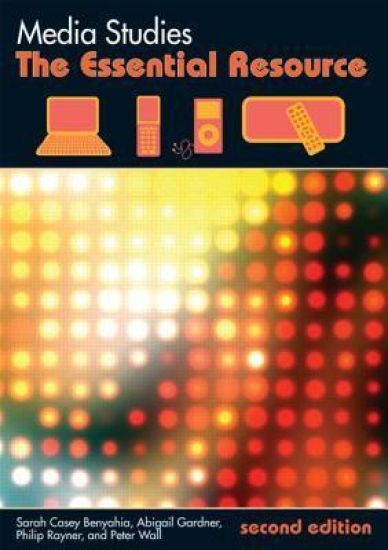
Bringing together key writings with original textbook material, the second edition of Media Studies: The Essential Resource explains central perspectives and concepts within Media Studies. Readers are introduced to a range of writing on media topics promoting an understanding of the subject from both contemporary and historical perspectives.The text is split into three parts covering Analysis and Perspectives, Media Audiences and Ecologies and Creativities. The key areas of study are discussed, with accessible readings from essential theoretical texts and fully supported with an author commentary. Theoretical perspectives are used to analyse contemporary media forms and activities direct students to interrogate readings further and apply their learning.Encouraging critical and analytical study, Media Studies: The Essential Resource helps students to understand the main theories and theorists within Media Studies.
A Level Film Studies

A Level Film Studies

Sarah Casey Benyahia; John White

TAYLOR FRANCIS LTD
2025
nidottu
Building confidence through a careful, step-by-step approach, this book is an essential companion for students undertaking A Level Film Studies.This book begins by establishing a basic understanding of film analysis, introducing film construction, mise en scène, cinematography, editing, sound, and performance. Key theoretical approaches to narrative, genre, representation, spectatorship, and authorship are then introduced, along with specific national cinemas from around the world. Next, students consider the unique experiences of silent cinema, experimental films, and documentaries. Finally, the focus shifts to evaluating creative approaches to students’ own filmmaking.Thoroughly revised and updated to match exam specifications for both Eduqas and OCR, the fourth edition of this essential textbook features:Case studies and activities relating to a number of films, including those new to the syllabus such as Get Out, Cléo from 5 to 7, and Belfast, each clearly signposted to the relevant board and specificationFully integrated online resources, cross-referenced within the text, to help students and instructors dive deeper into case studies and exam prepEven more chapter summaries and breakout boxes containing definitions of key terms, theories, and theorists throughout.Designed to be comprehensive and easy-to-use, A Level Film Studies: The Essential Introduction covers everything students need to succeed in their exams as well as inspiring further study.This book is supported by e-resources for students and instructors, including additional case studies, revision checklists, and key approaches to assessment.
A Level Film Studies

A Level Film Studies

Sarah Casey Benyahia; John White

TAYLOR FRANCIS LTD
2025
sidottu
Building confidence through a careful, step-by-step approach, this book is an essential companion for students undertaking A Level Film Studies.This book begins by establishing a basic understanding of film analysis, introducing film construction, mise en scène, cinematography, editing, sound, and performance. Key theoretical approaches to narrative, genre, representation, spectatorship, and authorship are then introduced, along with specific national cinemas from around the world. Next, students consider the unique experiences of silent cinema, experimental films, and documentaries. Finally, the focus shifts to evaluating creative approaches to students’ own filmmaking.Thoroughly revised and updated to match exam specifications for both Eduqas and OCR, the fourth edition of this essential textbook features:Case studies and activities relating to a number of films, including those new to the syllabus such as Get Out, Cléo from 5 to 7, and Belfast, each clearly signposted to the relevant board and specificationFully integrated online resources, cross-referenced within the text, to help students and instructors dive deeper into case studies and exam prepEven more chapter summaries and breakout boxes containing definitions of key terms, theories, and theorists throughout.Designed to be comprehensive and easy-to-use, A Level Film Studies: The Essential Introduction covers everything students need to succeed in their exams as well as inspiring further study.This book is supported by e-resources for students and instructors, including additional case studies, revision checklists, and key approaches to assessment.
A Level Film Studies

A Level Film Studies

Sarah Casey Benyahia; John White

Routledge
2020
sidottu
This essential book covers the key areas for A Level Film Studies students, building confidence through a careful, step-by-step approach. The first part of the book establishes a basic understanding of the grounding of film analysis in the various elements of film construction, mise en scène, cinematography, editing, sound and performance, developing the knowledge students have of movies whilst challenging them to consider new films and ideas. Key theoretical approaches around narrative, genre, representation, spectatorship and authorship are introduced in Part II, before we consider specific national cinemas from around the world in parts III and IV. In Part V, the book assesses a range of slightly different film experiences, looking at silent cinema, experimental films and documentaries; before, finally, Part VI shifts to evaluating creative approaches to students’ own filmmaking. Specifically designed to be user-friendly, the book has an easy-to-follow design, includes more than 60 colour images and is packed with features such as:case studies on a range of films and filmmakers; activities on such films as Sunrise: A Song of Two Humans (Murnau, 1927, USA), Vertigo (Hitchcock, 1958, USA), Do the Right Thing (Lee, 1989, USA), We Need to Talk About Kevin (Ramsay, 2011, UK) and Stories We Tell (Polley, 2012, Canada);definitions of key terms; and suggestions for further reading and website resources.Matched to the current exam specification, A Level Film Studies: The Essential Introduction covers everything students need to study as part of the course. The book is supported by a companion website at www.alevelfilmstudies.co.uk, offering further advice and activities.
A Level Film Studies

A Level Film Studies

Sarah Casey Benyahia; John White

Routledge
2020
nidottu
This essential book covers the key areas for A Level Film Studies students, building confidence through a careful, step-by-step approach. The first part of the book establishes a basic understanding of the grounding of film analysis in the various elements of film construction, mise en scène, cinematography, editing, sound and performance, developing the knowledge students have of movies whilst challenging them to consider new films and ideas. Key theoretical approaches around narrative, genre, representation, spectatorship and authorship are introduced in Part II, before we consider specific national cinemas from around the world in parts III and IV. In Part V, the book assesses a range of slightly different film experiences, looking at silent cinema, experimental films and documentaries; before, finally, Part VI shifts to evaluating creative approaches to students’ own filmmaking. Specifically designed to be user-friendly, the book has an easy-to-follow design, includes more than 60 colour images and is packed with features such as:case studies on a range of films and filmmakers; activities on such films as Sunrise: A Song of Two Humans (Murnau, 1927, USA), Vertigo (Hitchcock, 1958, USA), Do the Right Thing (Lee, 1989, USA), We Need to Talk About Kevin (Ramsay, 2011, UK) and Stories We Tell (Polley, 2012, Canada);definitions of key terms; and suggestions for further reading and website resources.Matched to the current exam specification, A Level Film Studies: The Essential Introduction covers everything students need to study as part of the course. The book is supported by a companion website at www.alevelfilmstudies.co.uk, offering further advice and activities.
A Level Media Studies

A Level Media Studies

Pete Bennett; Sarah Casey Benyahia; Jerry Slater

Routledge
2019
nidottu
A Level Media Studies is a comprehensive guide to the subject content of AS and A Level Media Studies, across all examining boards. It is specifically designed to meet the needs of both students and teachers with an accessible writing style, helpful notes on key theories and theorists and a range of learning exercises.The book’s overall approach is gradual immersion, assuming no prior knowledge of the subject. Starting with an overview of the discipline, the book moves on to develop increasingly sophisticated ideas whilst repeatedly reinforcing the basic principles of media studies. Each component of media studies is illustrated with practical examples and guided exercises that demonstrate the application of theories and concepts. In addition, numerous case studies offer examples of media studies in practice. Working through these examples, students will acquire the skill set and confidence to tackle the analysis of media products and the discussion of media issues to the standard required at A Level. The focus is on contemporary media, but there is also full acknowledgement of historical precedents, as well as the significance of social, cultural, political and economic contexts.With its clear structure and integrative approach, A Level Media Studies is the ideal introductory resource for students and teachers.
A Level Media Studies

A Level Media Studies

Pete Bennett; Sarah Casey Benyahia; Jerry Slater

Routledge
2019
sidottu
A Level Media Studies is a comprehensive guide to the subject content of AS and A Level Media Studies, across all examining boards. It is specifically designed to meet the needs of both students and teachers with an accessible writing style, helpful notes on key theories and theorists and a range of learning exercises.The book’s overall approach is gradual immersion, assuming no prior knowledge of the subject. Starting with an overview of the discipline, the book moves on to develop increasingly sophisticated ideas whilst repeatedly reinforcing the basic principles of media studies. Each component of media studies is illustrated with practical examples and guided exercises that demonstrate the application of theories and concepts. In addition, numerous case studies offer examples of media studies in practice. Working through these examples, students will acquire the skill set and confidence to tackle the analysis of media products and the discussion of media issues to the standard required at A Level. The focus is on contemporary media, but there is also full acknowledgement of historical precedents, as well as the significance of social, cultural, political and economic contexts.With its clear structure and integrative approach, A Level Media Studies is the ideal introductory resource for students and teachers.
Media Studies

Media Studies

Sarah Casey Benyahia; Abigail Gardner; Philip Rayner; Peter Wall

Routledge
2013
sidottu
Bringing together key writings with original textbook material, the second edition of Media Studies: The Essential Resource explains central perspectives and concepts within Media Studies. Readers are introduced to a range of writing on media topics promoting an understanding of the subject from both contemporary and historical perspectives.The text is split into three parts covering Analysis and Perspectives, Media Audiences and Ecologies and Creativities. The key areas of study are discussed, with accessible readings from essential theoretical texts and fully supported with an author commentary. Theoretical perspectives are used to analyse contemporary media forms and activities direct students to interrogate readings further and apply their learning.Encouraging critical and analytical study, Media Studies: The Essential Resource helps students to understand the main theories and theorists within Media Studies.
Doing Film Studies

Doing Film Studies

Sarah Casey Benyahia; Claire Mortimer

Routledge
2012
nidottu
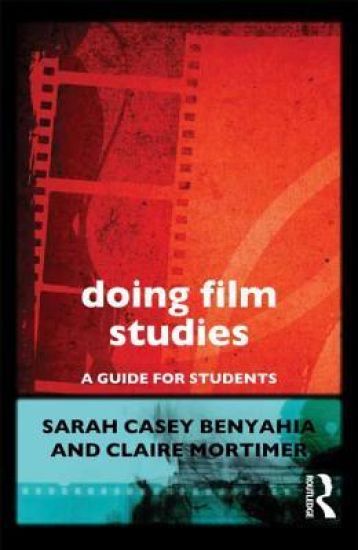
Doing Film Studies examines what it really means to study film, encouraging the reader to question the dominant theories as well as understanding the key approaches to cinema. This book provides an overview of the construction of film studies - including its history and evolution - and examines the application of theories to film texts. Important questions discussed include:Why does film studies need a canon?What is the relationship between authorship and genre theory?What is screen theory?How do we read a film text?Why is the concept of the spectator important to film?How is film involved in national identity?What is meant by a ‘film industry’?Aimed at students in their final year of secondary education or beginning their degrees, Doing Film Studies equips the reader with the tools needed in approaching the study of film.
Doing Film Studies

Doing Film Studies

Sarah Casey Benyahia; Claire Mortimer

Routledge
2012
sidottu
Doing Film Studies examines what it really means to study film, encouraging the reader to question the dominant theories as well as understanding the key approaches to cinema. This book provides an overview of the construction of film studies - including its history and evolution - and examines the application of theories to film texts. Important questions discussed include:Why does film studies need a canon?What is the relationship between authorship and genre theory?What is screen theory?How do we read a film text?Why is the concept of the spectator important to film?How is film involved in national identity?What is meant by a ‘film industry’?Aimed at students in their final year of secondary education or beginning their degrees, Doing Film Studies equips the reader with the tools needed in approaching the study of film.
Crime

Crime

Sarah Casey Benyahia

Routledge
2011
nidottu
Crime films have, since the earliest days of cinema, been popular with audiences, industry and critics alike and encompassed a diverse range of subjects, styles and themes. The genre provides a range of pleasures for the spectator, from taking on the role of the detective in the pursuit of clues in the ‘whodunit’, to the more illicit thrills of identification with an anti hero. In the many incarnations of the crime film such as the gangster, film noir, political and detective thrillers, the genre explores the anxieties of different historical moments.Sarah Casey Benyahia provides an overview of the development of the crime film and examines the key theories and ideas involved in the study of the genre. These include; the investigative structure and narration of the crime film, the aesthetics of violence and issues of representation and ideology. These areas are explored through contemporary and classic, Hollywood and European cinema with case studies on the history of the genre, the role of the detective, the 'family crime' film and the conspiracy thriller.Crime provides a broad framework to the study of the genre through the introduction of narrative, genre and audience theories as well as detailed analysis of specific films. Films discussed include: Scarface (1932) Mildred Pierce (1945) Dirty Harry (1971) The Parallax View (1974) Reservoir Dogs (1992) Mystic River (2002) Hidden (2005) Gone Baby Gone (2007) Zodiac (2007) The Millennium Trilogy (2009) The Secret in Their Eyes (2010)
Crime

Crime

Sarah Casey Benyahia

Routledge
2011
sidottu
Crime films have, since the earliest days of cinema, been popular with audiences, industry and critics alike and encompassed a diverse range of subjects, styles and themes. The genre provides a range of pleasures for the spectator, from taking on the role of the detective in the pursuit of clues in the ‘whodunit’, to the more illicit thrills of identification with an anti hero. In the many incarnations of the crime film such as the gangster, film noir, political and detective thrillers, the genre explores the anxieties of different historical moments.Sarah Casey Benyahia provides an overview of the development of the crime film and examines the key theories and ideas involved in the study of the genre. These include; the investigative structure and narration of the crime film, the aesthetics of violence and issues of representation and ideology. These areas are explored through contemporary and classic, Hollywood and European cinema with case studies on the history of the genre, the role of the detective, the 'family crime' film and the conspiracy thriller.Crime provides a broad framework to the study of the genre through the introduction of narrative, genre and audience theories as well as detailed analysis of specific films. Films discussed include: Scarface (1932) Mildred Pierce (1945) Dirty Harry (1971) The Parallax View (1974) Reservoir Dogs (1992) Mystic River (2002) Hidden (2005) Gone Baby Gone (2007) Zodiac (2007) The Millennium Trilogy (2009) The Secret in Their Eyes (2010)